

Understanding Soil Crusting and Its Impact on Your Garden
Soil crusting presents a significant challenge for gardeners and homeowners alike. This hardened surface layer forms after planting and prevents seedlings from emerging properly. Additionally, it restricts water infiltration and air circulation to plant roots. Many property owners struggle with this issue, especially after heavy rainfall or irrigation. The experts at Boyers Lawn Care frequently encounter clients dealing with crusted soil surfaces that threaten newly planted lawns and gardens. Understanding this problem helps you take swift action to protect your investment.
The formation of a crusty soil surface occurs when fine soil particles seal together. Rain droplets impact bare soil with surprising force. This impact breaks down soil aggregates into smaller particles. These particles then reorganize themselves into a dense, impermeable layer. As the soil dries, this layer hardens into a crust that can be difficult for emerging seedlings to penetrate.
The Root Causes Behind Soil Surface Problems
Several factors contribute to the development of soil crusting after planting. What are the causes of soil compaction? This question relates directly to crusting issues since compacted soil tends to crust more readily. Heavy machinery, foot traffic, and improper soil preparation all play roles in creating conditions favorable to crust formation.
Clay content significantly affects crusting potential. Soils with high clay percentages contain more fine particles that pack together easily. When these particles dry, they form especially hard crusts. Furthermore, soil lacking organic matter crusts more readily than rich, loamy soil. Organic matter acts as a binding agent that creates stable soil aggregates resistant to breakdown.
Poor soil structure makes crusting problems worse. Soil without proper aggregation has individual particles that move freely. These particles settle quickly and form dense layers. Moreover, sodium in soil can cause particles to disperse and seal the surface. This chemical dispersion creates particularly stubborn crusts that resist water penetration.
Immediate Actions to Break Through Hardened Soil
Once you notice soil crusting after planting, quick action prevents seedling damage. Gently breaking the crust allows air and water to reach developing roots. However, you must use care to avoid disturbing seeds or young plants beneath the surface.
Light raking provides an effective solution for minor crusting. Use a hand rake or cultivator with gentle pressure. Work in one direction to create shallow grooves in the crust. These grooves allow seedlings to push through more easily. Additionally, the grooves channel water into the soil rather than allowing it to run off.
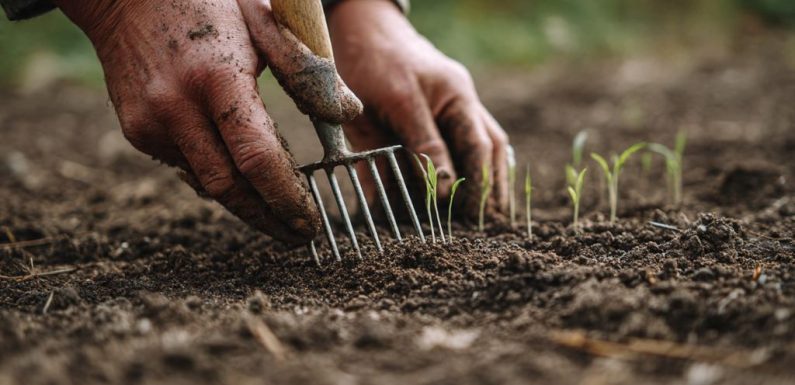
Careful hand cultivation works well in smaller areas. Use a hand fork or similar tool to loosen the top quarter inch of soil. Work slowly around visible seedlings or planted areas. This manual approach gives you maximum control. Therefore, you minimize the risk of damaging emerging plants.
Water application can soften stubborn crusts. A light misting several times daily gradually weakens the hardened layer. Use a fine spray setting to avoid creating more compaction from water impact. According to the USDA Natural Resources Conservation Service, proper irrigation management plays a crucial role in preventing soil surface sealing and maintaining healthy soil structure.
Long-Term Solutions for Preventing Future Crusting
Prevention proves more effective than treatment when dealing with soil crusting. Building better soil structure reduces crusting problems significantly. Start by incorporating organic matter before planting. Compost, aged manure, or leaf mold improves soil aggregation. These amendments create spaces between particles that resist collapse.
Cover crops offer excellent protection against crusting. Plant quick-growing species between main crops or during off-seasons. Their roots create channels in the soil and add organic matter when turned under. Furthermore, living plant coverage protects soil from raindrop impact. This protection prevents the particle breakdown that leads to crusting.
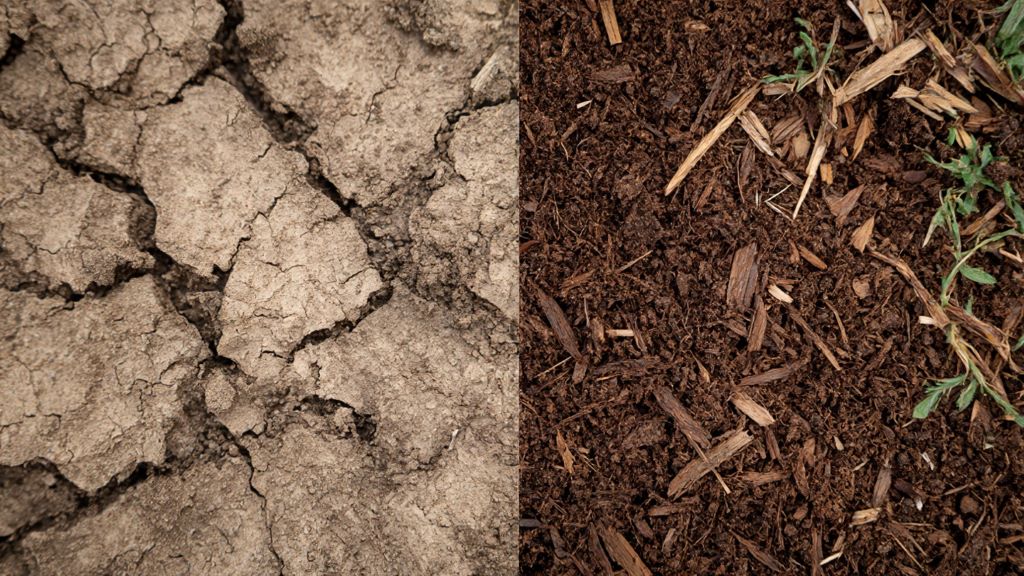
Mulching provides immediate and long-lasting benefits. Apply a thin layer of organic mulch over newly planted areas. Straw, shredded leaves, or fine wood chips work well. The mulch absorbs raindrop energy before it reaches the soil. It also moderates soil temperature and retains moisture. As mulch decomposes, it gradually improves soil structure.
Gypsum application helps in specific situations. Soils with high sodium content benefit particularly from gypsum treatment. This amendment causes clay particles to form stable aggregates. However, test your soil first to determine if gypsum is necessary. Unnecessary applications waste money without providing benefits.
Improving Soil Drainage and Structure
Addressing underlying drainage issues prevents repeated crusting problems. Poor drainage keeps soil saturated longer, increasing crust formation risk. Evaluate your site’s water flow patterns after heavy rain. Low spots that hold water need special attention.
Installing drainage systems resolves serious water accumulation problems. French drains, swales, or drainage tiles redirect excess water. These solutions require upfront investment but provide lasting benefits. Consult with professionals for complex drainage projects to ensure proper design.
Raised beds eliminate many crusting issues in problem areas. Building soil level up several inches improves drainage naturally. The elevated position allows water to drain away from plant roots. Additionally, you control soil composition completely when filling raised beds. This control lets you create ideal growing conditions from the start.
Regular aeration breaks up compacted soil layers before crusting develops. Core aeration removes small plugs of soil, creating channels for air and water. Schedule aeration annually for lawns and high-traffic garden areas. This practice maintains soil structure and reduces compaction over time. The University of Minnesota Extension recommends regular soil testing and amendments to maintain optimal soil health and prevent common problems like crusting and compaction.
Timing Your Planting to Minimize Risk
Strategic planting schedules reduce crusting likelihood. Avoid planting immediately before expected heavy rainfall. The combination of bare soil and intense rain creates perfect crusting conditions. Check extended weather forecasts when planning planting dates.
Spring planting requires extra vigilance in many regions. Frequent rain and temperature fluctuations during spring increase crusting risk. Consider waiting for a stable weather pattern before planting vulnerable crops. A few days’ delay often prevents weeks of problems.
Soil moisture at planting time affects crusting potential. Extremely wet or dry soil both present problems. Wait until soil reaches proper moisture content for working. Squeeze a handful of soil to test readiness. It should form a ball that breaks apart with light pressure. This consistency indicates ideal planting conditions.
Selecting Plants and Seeds Wisely
Some plants handle crusted soil better than others. Large seeds with vigorous seedlings push through crusts more easily than small seeds. Consider starting small-seeded crops indoors and transplanting. This approach bypasses the vulnerable emergence stage entirely.
Seed treatments improve germination success in crusting-prone soil. Pelleted seeds have coating that adds weight and protection. This coating helps seeds penetrate existing crusts. Furthermore, some pellet formulations include amendments that improve local soil conditions.
Pre-sprouting seeds gives seedlings a head start. Soak seeds until they begin sprouting before planting. These advanced seedlings have more energy to push through obstacles. However, handle pre-sprouted seeds carefully since emerging roots damage easily.
Monitoring and Maintenance After Planting
Regular inspection catches crusting problems early. Walk your planted areas daily during the emergence period. Look for areas where crust appears to be forming. Early intervention prevents minor issues from becoming major problems.
Adjust irrigation practices based on soil response. If crusting develops quickly after watering, reduce application intensity. Switch to more frequent, lighter watering sessions. This approach maintains moisture without creating surface sealing. Drip irrigation or soaker hoses deliver water with minimal soil disturbance.
Document problem areas for future reference. Note locations where crusting repeatedly occurs. These spots likely have underlying issues requiring more intensive treatment. Target these areas with extra amendments or drainage improvements during the next planting cycle.
Conclusion
Reversing soil crusting after planting requires both immediate action and long-term planning. Breaking existing crusts carefully allows seedlings to emerge successfully. However, preventing future crusting through soil improvement provides lasting solutions. Adding organic matter, using mulch, and improving drainage create conditions where crusting rarely develops. Furthermore, timing planting appropriately and selecting suitable plants minimize problems. Regular monitoring and maintenance catch issues early when they remain easy to address. By implementing these strategies, you create healthy soil that supports vigorous plant growth without the frustration of surface crusting.
Frequently Asked Questions
What causes soil to form a hard crust after planting?
Soil crusting occurs when raindrops or irrigation water break down soil aggregates into fine particles. These particles settle into a dense layer that hardens as it dries. Soils high in clay or silt content and low in organic matter are most susceptible to crusting.
Can I prevent soil crusting without spending much money?
Yes, several low-cost methods prevent crusting effectively. Adding grass clippings, shredded leaves, or other organic materials improves soil structure. Applying a light mulch layer protects soil from raindrop impact. These materials are often free or very inexpensive.
How soon after planting should I worry about soil crusting?
Monitor your planted areas starting immediately after planting. Crusts can form within hours after heavy rain or irrigation. Early detection allows you to take corrective action before seedlings attempt to emerge. Check daily during the first two weeks after planting.
Will breaking the soil crust damage my seeds or seedlings?
Gentle crust breaking rarely damages seeds or seedlings when done properly. Use light pressure and work carefully around visible plants. The benefits of allowing air and water penetration far outweigh the minimal risk. Leaving crusts intact causes more damage than careful loosening.
Does soil crusting affect established plants or only new seedlings?
While crusting primarily affects seedling emergence, it impacts established plants too. Crusted soil restricts water infiltration and gas exchange at root level. This limitation reduces plant vigor and growth. Therefore, addressing crusting benefits plants at all growth stages.
Related Topics:
