

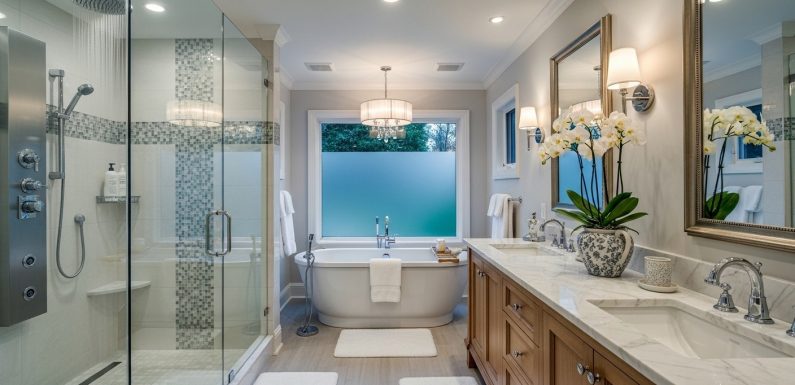
Bathroom remodel design involves planning and executing changes to a bathroom’s layout, fixtures, and aesthetics to improve functionality and appeal. It transforms outdated spaces into efficient, personalized areas that meet daily needs while adding value to your home.
Imagine stepping into your bathroom each morning and feeling frustrated by cramped spaces, poor lighting, or dated fixtures. Many homeowners face this issue bathrooms that no longer serve their purpose effectively. According to a 2023 Houzz Bathroom Trends Study, 62% of homeowners remodel to address functionality problems like insufficient storage or awkward layouts. This dissatisfaction can build, turning a simple routine into a daily hassle that affects your mood and home life.
But there’s a solution: thoughtful bathroom remodel design. By focusing on custom elements, you can create a space that feels luxurious without breaking the bank. This article guides you through the process, answering key questions to help you design a bathroom that enhances your lifestyle. We’ll cover planning, materials, and expert tips, drawing from real case studies like a 2022 project by Remodel Works where a standard bathroom became a spa-like retreat, increasing home value by 15%. Get ready to turn your vision into reality.
How Do You Start Planning a Bathroom Remodel Design?
Start by assessing your current bathroom’s issues, setting a budget, and defining your goals for functionality and style.
Planning sets the foundation for a successful bathroom remodel design. Begin with a thorough evaluation. Walk through your space and note problems. Is the shower too small? Does lighting feel dim? List these pain points. Next, measure the room accurately. Use a tape measure for length, width, and height. Sketch a basic floor plan on graph paper or use free apps like Floor Plan Creator.
Set a realistic budget. Data from the National Kitchen & Bath Association (NKBA) shows average bathroom remodels cost $20,000 to $30,000 in 2024. Factor in 10-15% for unexpected costs. Define priorities: Do you need more storage, better ventilation, or eco-friendly features? Research trends, but tailor to your needs. For instance, in a case study by Bath Fitter, a family remodeled a 60-square-foot bathroom by prioritizing dual sinks, resulting in a 20% efficiency boost in morning routines.
Gather inspiration. Browse sites like Pinterest or Houzz for ideas on custom bathroom design. Consider your home’s overall style modern, traditional, or minimalist? Consult professionals early. Hire an architect or designer for complex layouts. They can suggest space-saving solutions like wall-mounted vanities. Finally, create a timeline. Most remodels take 4-6 weeks, per Remodeling Magazine’s 2023 Cost vs. Value Report. Stick to it to minimize disruption.
What Are the Key Elements in How to Design a Custom Bathroom?
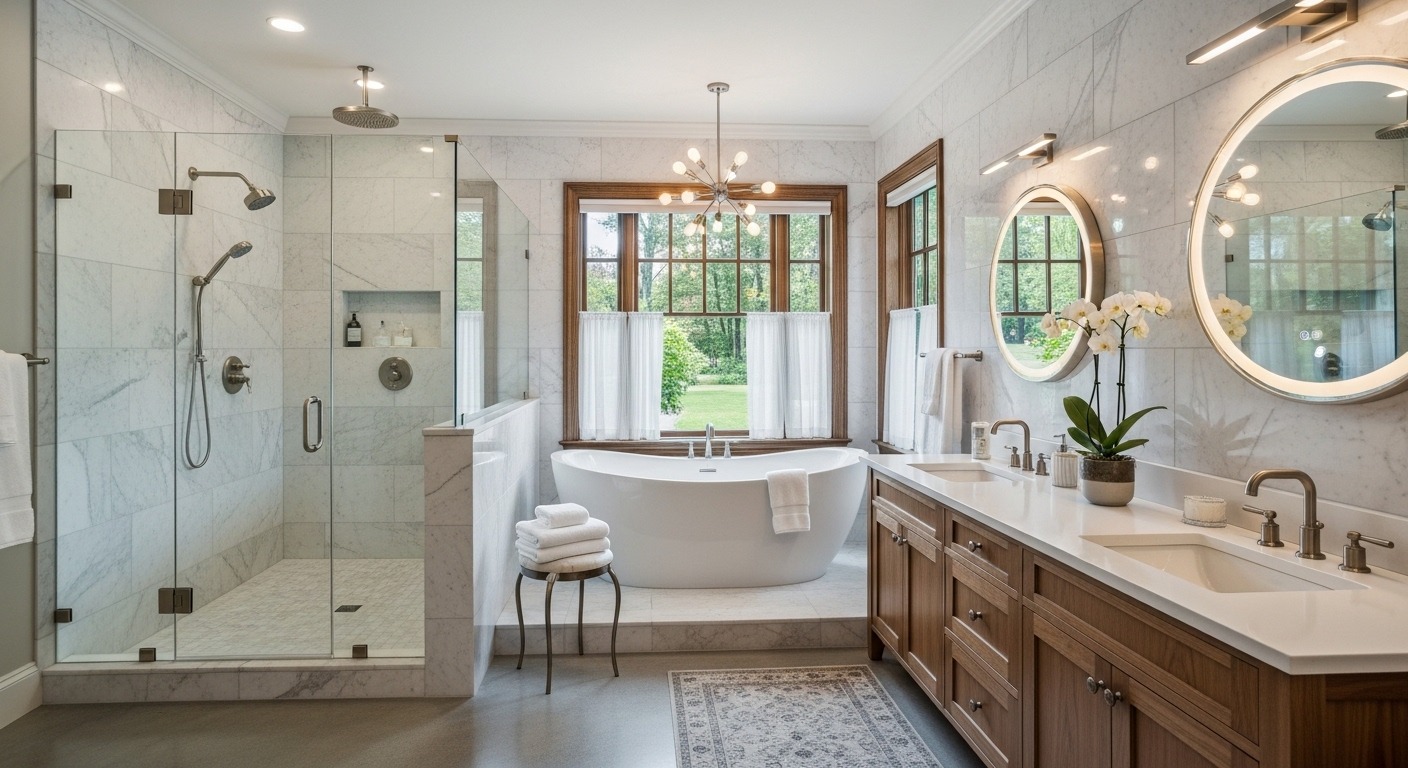
Key elements include layout optimization, fixture selection, lighting, storage, and materials that blend form and function.
Custom bathroom design thrives on personalization. Focus on layout first. Optimize flow by placing the toilet, sink, and shower logically. In small spaces, consider pocket doors to save room. A 2021 study by the American Society of Interior Designers (ASID) found that efficient layouts reduce user frustration by 30%.
Choose fixtures wisely. Select vanities, sinks, and tubs that fit your space. For luxury, opt for freestanding tubs or rainfall showers. Materials matter—quartz countertops resist stains better than marble, lasting up to 50 years with proper care, according to Consumer Reports.
Lighting transforms the feel. Layer ambient, task, and accent lights. Install dimmers for mood control. LED fixtures save energy, cutting bills by 75%, per the U.S. Department of Energy. Storage is crucial. Built-in cabinets or floating shelves maximize space. In a Kohler case study, adding under-sink organizers increased storage by 40% in a compact bathroom.
Incorporate ventilation. Proper exhaust fans prevent mold, extending fixture life. Add personal touches like heated floors for comfort. Ensure accessibility with grab bars if needed. Balance aesthetics with durability—porcelain tiles mimic wood but handle moisture better.
How Can You Choose Materials for Bathroom Remodel Design?
Select materials based on durability, moisture resistance, maintenance needs, and aesthetic appeal to ensure longevity and style.
Materials define your bathroom’s look and performance. Start with flooring. Porcelain or ceramic tiles work best—they resist water and come in various designs. Natural stone like slate offers grip but requires sealing. Vinyl plank flooring provides a budget-friendly wood look, lasting 10-20 years, as noted in Flooring America’s 2024 guide.
For walls, use moisture-resistant paint or tiles. Subway tiles add timeless appeal. In showers, glass enclosures create openness. Choose tempered glass for safety. Countertops: Granite withstands heat, but quartz edges it in stain resistance. A HomeAdvisor survey shows quartz tops preferences in 55% of remodels.
Fixtures in chrome or brushed nickel resist corrosion. For sustainability, pick low-flow toilets saving 20% on water bills, per EPA data. In a real case from Delta Faucet, switching to touchless faucets reduced germ spread in family bathrooms. Budget for quality—invest in items you touch daily. Test samples in your space for color accuracy under natural light.
What Lighting Options Enhance a Custom Bathroom Design?
Use a mix of overhead, vanity, and accent lighting to create layers that improve visibility and ambiance.
Lighting impacts mood and functionality. Overhead lights provide general illumination—recessed cans work in low ceilings. Vanity lighting avoids shadows; place sconces at eye level. LED strips under cabinets add warmth.
Smart lighting integrates with apps for control. Dimmers allow adjustments. Natural light via windows or skylights brightens spaces. In a Lutron case study, smart dimmers cut energy use by 20% in remodeled bathrooms.
Choose waterproof fixtures rated IP65 for wet areas. Warm white bulbs (2700K) mimic spa lighting. Mirror lights with magnification aid grooming. Balance brightness—aim for 75-100 lumens per square foot, per IES standards. Test setups to eliminate glare.
How Do You Incorporate Storage in Bathroom Remodel Design?
Integrate built-ins, shelves, and organizers to maximize space without cluttering the room.
Storage solves common chaos issues. Use vertical space with tall cabinets. Medicine cabinets hide essentials. Drawers with dividers organize small items.
In small bathrooms, recessed niches in showers store toiletries. Floating vanities free floor space. A Container Store case study showed modular systems increasing storage by 50% in urban apartments.
Choose materials like bamboo for eco-friendliness. Label bins for easy access. Over-the-door hooks add utility. Ensure ventilation in cabinets to prevent moisture buildup.
What Role Does Color Play in How to Design a Custom Bathroom?
Colors influence mood and perceived space—use neutrals for calm, accents for energy.
Select a palette that complements your home. Light colors enlarge small rooms. Blues evoke serenity; greens add freshness.
Test swatches in different lights. Monochromatic schemes unify spaces. In a Benjamin Moore study, neutral grays dominated 2023 remodels for timeless appeal.
Balance with textures—matte walls with glossy tiles. Avoid dark colors in tiny bathrooms to prevent claustrophobia.
How Can Technology Improve Bathroom Remodel Design?
Incorporate smart features like heated floors, voice-activated lights, and digital showers for convenience and efficiency.
Tech enhances daily use. Smart mirrors with defoggers and Bluetooth save time. Heated towel racks add comfort.
Water-saving sensors reduce usage by 30%, per Moen data. In a case from Grohe, app-controlled showers personalized experiences, boosting satisfaction.
Ensure compatibility with home systems. Budget for wiring during remodels.
What Are Common Mistakes in Custom Bathroom Design?
Avoid poor planning, ignoring ventilation, and skimping on quality materials to prevent costly fixes.
Mistakes lead to regrets. Overlooking measurements causes fixture mismatches. Neglecting permits delays projects.
Poor lighting creates shadows. Inadequate storage breeds clutter. A 2022 Angi report found 40% of remodels needed fixes due to ventilation oversights.
Choose pros wisely—check reviews. Test layouts with tape on floors.
How Do You Ensure Sustainability in Bathroom Remodel Design?
Use eco-friendly materials, low-flow fixtures, and energy-efficient lighting to reduce environmental impact.
Sustainability saves resources. Recycled glass tiles cut waste. Bamboo vanities renew quickly.
LED lights lower energy. In an EPA case study, low-flow heads saved 2,700 gallons yearly per household.
Insulate pipes for efficiency. Choose VOC-free paints for health.
What Budget Tips Help with How to Design a Custom Bathroom?
Allocate 40% to labor, 30% to fixtures, and save on DIY where possible.
Track expenses with apps. Shop sales for deals. Prioritize must-haves.
In a Bankrate survey, 25% of remodels went over budget due to changes—stick to plans.
Finance wisely; loans at 6-8% interest work for large projects.
How Do You Hire Professionals for Bathroom Remodel Design?
Seek licensed contractors with portfolios, references, and clear contracts.
Interview multiple bids. Check insurance. Use sites like Thumbtack.
In a case from Home Depot, vetted pros completed projects 20% faster.
Communicate expectations upfront.
Why Should You Consider Accessibility in Custom Bathroom Design?
Accessibility ensures long-term usability for all ages and abilities.
Install curbless showers, higher toilets. Grab bars add safety.
AARP data shows accessible features increase home value by 10%.
Plan for future needs now.
How Does Ventilation Affect Bathroom Remodel Design?
Proper ventilation prevents mold and maintains air quality.
Use fans rated 1.0 sone or less for quiet operation.
ASHRAE standards recommend 50 CFM for small bathrooms.
Timers automate use.
What Trends Shape Current Bathroom Remodel Design?
Trends include spa-like features, natural materials, and smart tech.
Biophilic designs with plants improve well-being.
NKBA 2024 report: 70% incorporate wellness elements.
Adapt trends to your style.
Conclusion: Transform Your Space Today
You’ve seen how bathroom remodel design tackles common frustrations like cramped layouts and outdated fixtures. By planning carefully, choosing durable materials, and incorporating smart features, you create a custom bathroom that feels luxurious and functional. Real cases, like the Remodel Works project boosting home value by 15%, show the impact.
Don’t let your bathroom remain a source of daily annoyance. Apply these insights to craft a space that elevates your routine. Ready to start? Contact a local designer or visit Houzz for inspiration. Share your remodel story in the comments below—what’s your top priority? Let’s make your dream bathroom a reality.
Frequently Asked Questions
How Long Does a Bathroom Remodel Design Take?
A typical bathroom remodel takes 4-6 weeks, depending on scope and issues.
Planning adds 2-4 weeks. Demo and installation vary—simple updates faster than full guts.
What Is the Average Cost of How to Design a Custom Bathroom?
Average costs range $10,000-$30,000, per NKBA data.
Breakdown: Labor 40%, materials 30%, fixtures 20%.
Can I Do Bathroom Remodel Design Myself?
Yes, for minor updates like painting or fixtures, but pros handle plumbing and electrical.
DIY saves 20-30%, but risks errors.
What Permits Are Needed for Custom Bathroom Design?
Permits for plumbing, electrical, and structural changes—check local codes.
Avoid fines by consulting authorities early.
How Do I Maintain a Remodeled Bathroom?
Clean weekly with mild products; seal grout yearly.
Proper ventilation extends life.
Are There Eco-Friendly Options in Bathroom Remodel Design?
Yes, like bamboo flooring and LED lights.
Save water with aerators.
What If My Bathroom Is Small for Custom Design?
Use mirrors, light colors, and compact fixtures to maximize space.
Pocket doors help.
Related Topics: How to Get House Cleaning Jobs Near Me Without Experience
Related Topics: Unexpected Surprises: Dealing with Challenges in Gut Renovations
