

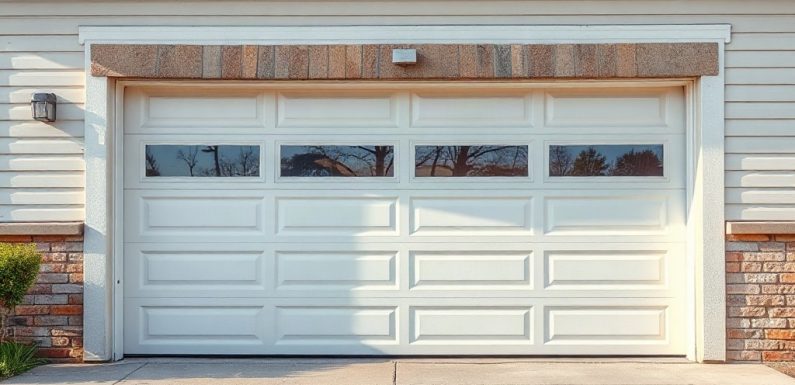
A garage door not opening is one of those problems that stops your whole morning. You press the remote, hear a click or a thud, and nothing moves. The cause is usually simple: a broken torsion or extension spring, a snapped cable, a dead opener motor, or a safety sensor knocked out of line. This guide explains how each failure behaves, so you can identify the likely culprit quickly. If you want a broader troubleshooting reference while you work through the options, you can visit website for related maintenance material.
Quick answer: Check the spring first. Look above the door for a visible gap in a torsion spring or a stretched, hanging extension spring. If the spring looks intact, test the opener’s wall switch, then check the safety sensors and the manual release. Springs and cables store dangerous tension, so treat any suspected spring break as a job for a trained technician.
What is garage door not opening?
A garage door that refuses to open is a mechanical or electrical failure somewhere along a short chain of parts. The opener motor pulls, the springs lift, and the tracks guide. When any one of those stops working, the door stays down. The most useful way to understand the problem is to sort it by symptom, because each symptom points to a different part.
The spring is the most common culprit
Most residential doors use either torsion springs mounted on a shaft above the door or extension springs running along the sides. Both are under heavy tension and both fail with age. A torsion spring usually breaks with a loud bang and leaves a visible gap of several inches in the coil. An extension spring often snaps and dangles from its track. In either case the opener may hum briefly, then stop, because it cannot lift the door’s full weight alone.
Opener, track, and sensor problems
A door that opens partway, reverses instantly, or does nothing at all points elsewhere. Common examples:
- Safety sensors misaligned: the door starts down and reverses, or refuses to close.
- Dead remote or wall switch: the motor never receives a signal.
- Stripped opener gear: the motor runs but the door does not move.
- Bent track or worn roller: the door jerks, binds, or comes off the rail.
- Broken cable: the door hangs crooked, with one side lower than the other.
Why the symptom tells you which part to check
A single loud bang followed by silence is almost always a spring. A grinding noise while the door moves suggests the opener gear or rollers. Blinking lights on the opener usually mean a sensor fault. Matching the behavior to the part narrows the diagnosis before you touch anything.
Takeaway: identify the symptom first, then work backward to the part. Springs, cables, and openers each fail in a recognizable way.
Why garage door not opening matters
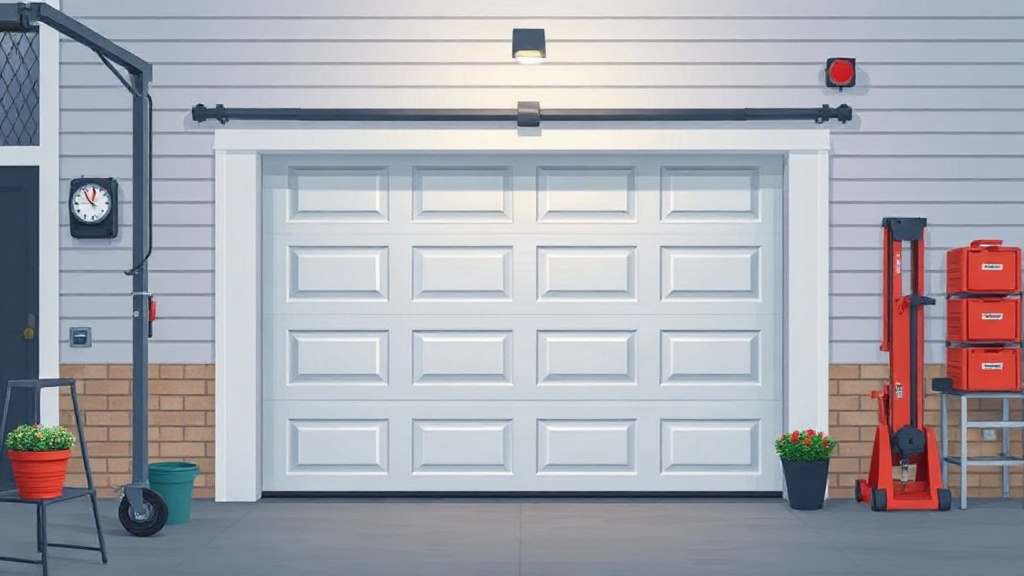
A garage door is often the largest moving object in a home, and it carries real weight. A standard single-car door can weigh well over a hundred pounds, and double doors weigh considerably more. That weight is the reason a garage door not opening deserves careful handling rather than a quick DIY fix.
Safety comes before convenience
The springs and cables that balance the door hold enormous stored energy. Torsion springs can cause serious injury if handled without the right tools and training. A cable that snaps under load can whip violently. This is why most manufacturers and technicians treat spring and cable work as specialist jobs, while simpler checks stay within reach of a careful homeowner.
Security, weather, and daily disruption
A door stuck open leaves the contents of your garage exposed. A door stuck closed can trap a car and block access to stored tools, bikes, or a freezer. In cold or wet weather, a door left ajar lets in water and pests. The longer a fault goes unfixed, the more likely a small issue becomes a larger repair.
Do not force a door with a suspected broken spring. Lifting it by hand puts the full weight on you and can bend the panels or the tracks.
Cost trade-offs
Ignoring a small fault rarely saves money. A worn roller that binds can wear out the opener motor. A misaligned sensor that keeps reversing the door can burn out the gear. Early diagnosis keeps the repair small, and understanding the parts involved helps you judge a technician’s quote fairly.
Takeaway: treat the issue as both a safety concern and a maintenance one. Fast, accurate diagnosis protects people and your wallet.
Best practices
Good habits prevent most failures and make the ones that happen easier to handle. The aim is a short, regular routine rather than constant tinkering.
Run a monthly visual and listening check
Walk around the inside of the door once a month. Look at the springs for gaps or rust, check that both cables are taut and seated, and listen as the door cycles. A door that suddenly sounds louder or moves unevenly is telling you something is wearing. Catching a stretched spring or a frayed cable early avoids a break at an awkward moment.
Keep the hardware lubricated and the tracks clean
Apply a proper garage door lubricant to the hinges, rollers, and spring coils a couple of times a year. Wipe the tracks with a damp cloth and avoid greasing them, since grease attracts grit. Clean tracks and lubricated rollers reduce strain on the opener and springs.
Test the balance and the safety reverse
Disconnect the opener using the manual release and lift the door halfway. A balanced door should stay in place when released; one that falls or rises on its own needs adjustment. Then reconnect and test the safety reverse by placing a solid object in the door’s path. The door should reverse on contact.
Know when to call a professional
Replace springs in pairs, because paired springs wear at the same rate and a single replacement leaves the door unbalanced. Spring, cable, and high-tension part work is best left to a trained technician with the right winding tools. If you want to match a replacement spring to your door’s weight, a garage door spring color chart helps you identify the code before you call.
Takeaway: small, regular checks prevent most failures. Reserve the risky repairs for qualified hands.
Common mistakes to avoid
Most garage door problems get worse because of a few predictable missteps. Avoiding them keeps a repair small and safe.
Forcing the door or the opener
Repeatedly pressing the remote on a door with a broken spring stresses the motor and gear. Trying to lift a jammed door by hand can bend panels and tracks. If the door will not move freely by hand, stop and diagnose instead of forcing it.
Treating a spring break as a quick DIY job
Torsion springs require winding bars and a precise understanding of turns and tension. Doing this without training risks serious injury. The same applies to cables under load. A homeowner can safely check and report the fault, but replacement belongs to a professional.
Replacing only one spring
When paired springs are the same age, the second one usually fails soon after the first. Replacing both at once costs more upfront and less overall, and it keeps the door balanced.
Ignoring the safety sensors
A sensor knocked slightly out of line is one of the most common causes of a door that reverses or refuses to close. Before calling anyone, check that both sensor lenses face each other, are clean, and have a steady indicator light.
Skipping the manual release test
If the door is hard to lift by hand when disconnected, the problem is mechanical, not the opener. Testing this first saves you from replacing a motor that was never the issue.
Takeaway: the biggest mistakes are forcing parts and guessing at causes. Check the simple items first, then call a technician for anything involving springs or cables.
FAQ
How do I know if my garage door spring is broken?
Look for a visible gap in a torsion spring above the door, or a hanging, stretched extension spring at the side. A loud bang followed by a door that will not lift is a strong sign. The opener may also hum and stop without moving the door.
Can I open a garage door with a broken spring by hand?
It is possible to lift some doors manually, but the full weight rests on you, and the door may drop suddenly. If the door will not move freely, leave it closed and call a technician. Never stand under a door held up only by a damaged spring.
How much does a typical garage door repair cost?
Costs vary widely by part and region, so treat any single figure with caution. Sensor or remote fixes are usually inexpensive, while spring or cable replacement costs more because of labor and safety requirements. Get a written quote that names the parts.
How often should garage door springs be replaced?
Spring life depends on cycles, meaning each open and close. A door used several times a day wears faster than one used twice a week. Many springs last for thousands of cycles, so replace them when they break or when a technician finds excessive wear.
Why does my door start to open and then reverse?
A safety sensor fault is the most common cause. Check for obstructions, dirt on the lenses, and misalignment between the two sensors. If the sensors look fine, the issue may be the opener’s travel limits or a binding track.
Conclusion
A door that will not open usually comes down to a handful of parts: a broken spring, a snapped cable, a failing opener, or a sensor out of line. Match the symptom to the part, run the simple checks first, and leave spring and cable work to a trained technician. Regular lubrication, balance tests, and monthly visual inspections prevent most of these failures. Your next step is straightforward: inspect the springs and sensors today, and if anything looks damaged, book a qualified repair rather than forcing the door.
