

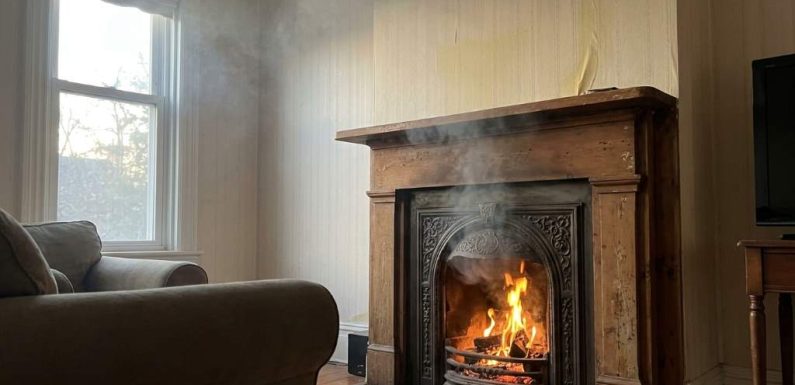
Have you ever walked into an older Pittsburgh home and noticed a lingering smoky odor even when nobody has smoked inside for years? That familiar scent often puzzles homeowners because it seems to appear without an obvious source. Understanding why older homes in Pittsburgh, PA develop indoor smoke smells can help homeowners identify hidden issues and improve indoor air quality. According to the United States Environmental Protection Agency, Americans spend about 90 percent of their time indoors, while indoor air pollution levels can be two to five times higher than outdoor levels. Additionally, the National Institute of Environmental Health Sciences notes that contaminants can remain trapped inside buildings for long periods. In many cases, a smoke smell from fireplace in home may be one of several factors contributing to persistent indoor odors.
The Unique Characteristics of Older Pittsburgh Homes
Pittsburgh features many historic neighborhoods filled with homes built decades ago. These properties often showcase beautiful craftsmanship, original woodwork, and traditional masonry construction. However, aging materials can also absorb and retain odors for extended periods.
Many homeowners discover smoke related odors during renovations, moving projects, or major cleaning efforts. In fact, people who are getting a removals company involved with a house transition often uncover hidden odor sources behind furniture, inside wall cavities, or beneath old flooring.
Climate conditions also play a role. Pittsburgh experiences humid summers and cold winters. As a result, moisture can interact with old building materials and reactivate trapped smoke particles that settled years earlier.
How Historic Construction Materials Hold Odors
Older homes often contain porous materials that readily absorb airborne contaminants. These materials include:
- Wood trim and framing
- Plaster walls
- Old carpeting
- Insulation materials
- Subflooring
- Wallpaper layers
Over time, smoke particles penetrate deep into these surfaces. Consequently, the odor may remain long after the original source disappears.
Previous Indoor Smoking Habits Leave Lasting Effects
One of the most common causes of indoor smoke smells comes from past occupants who smoked indoors. Although smoking rates have declined over recent decades, many homes built before the 1990s experienced years of indoor tobacco use.
Tobacco smoke contains thousands of chemicals. When smoke settles, it forms a residue commonly called third hand smoke. This residue clings to walls, ceilings, flooring, and furniture. Even after repainting, some contaminants remain trapped beneath surface layers.
Why Odors Return Years Later
Many homeowners believe a fresh coat of paint completely solves odor problems. Unfortunately, smoke particles often penetrate much deeper than the visible surface.
When humidity rises, materials expand slightly and release trapped compounds into the air. Therefore, smoke odors may seem stronger during rainy weather or humid summer months.
Common Areas Where Tobacco Residue Hides
- Behind baseboards
- Inside HVAC ducts
- Under carpet padding
- Behind wallpaper
- Inside closets
- Within attic insulation
Fireplaces and Chimneys Can Introduce Smoke Odors
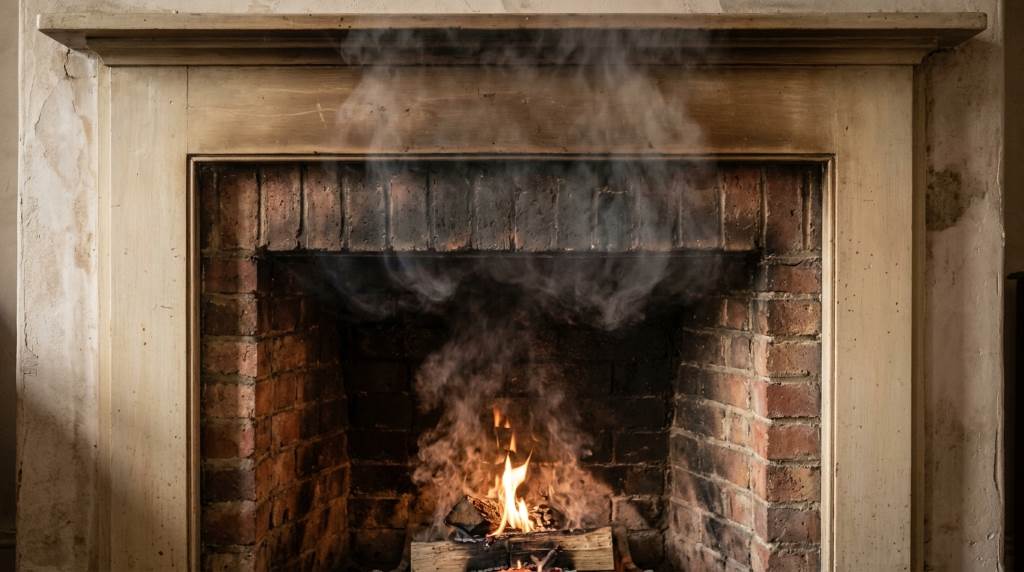
Many older Pittsburgh homes feature traditional wood burning fireplaces. While these architectural features add charm, they can also become a source of lingering indoor smoke smells.
Creosote buildup inside chimneys produces a strong smoky odor. Furthermore, damaged flue liners may allow odors to seep into living spaces. Homeowners organizing their belongings with small space storage hacks sometimes notice these odors more clearly after reducing clutter and improving airflow throughout the home.
Negative Air Pressure Problems
Modern appliances can create negative pressure inside older homes. When this happens, air may flow downward through the chimney instead of upward.
As a result, smoke residue and creosote odors enter the living area. This issue becomes especially noticeable during seasonal temperature changes.
Signs the Fireplace May Be the Source
- Odors increase near the hearth
- Smells worsen during humid weather
- The scent appears strongest after rain
- Smoke odors become noticeable when exhaust fans operate
Moisture Reactivates Old Smoke Residue
Pittsburgh’s climate contributes significantly to odor problems in older homes. Moisture acts like a trigger that reawakens contaminants trapped in building materials.
Basements are particularly vulnerable because many older foundations allow some moisture intrusion. Likewise, attic spaces can accumulate humidity due to inadequate ventilation.
During home improvement projects, homeowners often discover hidden moisture issues while planning updates such as entryway makeover achieve goals or other interior renovations.
How Humidity Intensifies Smoke Smells
Smoke particles contain organic compounds that become more volatile when exposed to moisture. Consequently, these compounds release into the indoor air more easily.
Because of this reaction, homeowners often notice stronger odors during:
- Summer months
- Rainy periods
- Basement flooding events
- High indoor humidity conditions
HVAC Systems Can Spread Smoke Odors Throughout the Home
Heating and cooling systems often contribute to persistent smoke smells. Older ductwork may contain decades of accumulated dust, soot, and smoke residue.
Whenever the furnace or air conditioner runs, airflow distributes these particles throughout the house. Therefore, odors may seem to appear suddenly when seasonal heating begins.
Ductwork Challenges in Older Properties
Many historic homes underwent multiple renovations over the years. As a result, duct systems may contain disconnected sections, hidden debris, or poorly sealed joints.
These conditions allow contaminants to collect and circulate repeatedly.
Hidden Soot and Combustion Residue
Smoke smells do not always originate from tobacco products or fireplaces. Older homes often contain hidden soot from past heating methods.
Before modern heating systems became common, many Pittsburgh homes relied on coal burning furnaces. Although those systems may have disappeared decades ago, residue can remain behind walls, inside crawl spaces, and within attic areas.
The Legacy of Coal Heating
Pittsburgh’s industrial history means coal use was widespread. Consequently, older properties may still contain microscopic soot particles embedded in structural materials.
Whenever renovations disturb these materials, odors can become noticeable once again.
Poor Ventilation Allows Odors to Accumulate
Ventilation standards have changed significantly over time. Older homes often lack the balanced airflow found in modern construction.
Limited air exchange allows contaminants to remain trapped indoors. Therefore, smoke related odors can linger longer and become more concentrated.
Areas Where Ventilation Problems Commonly Occur
- Attics
- Basements
- Laundry rooms
- Bathrooms
- Closed storage areas
Improving airflow frequently reduces odor intensity and improves overall indoor comfort.
Practical Ways to Identify the Source
Finding the exact source requires a systematic approach. Rather than masking odors with fragrances, focus on identifying where the smell originates.
Step 1: Check the Fireplace and Chimney
Inspect the fireplace area for creosote buildup, damaged dampers, or signs of moisture intrusion.
Step 2: Evaluate Humidity Levels
Use a humidity monitor to determine whether excess moisture contributes to the problem.
Step 3: Examine HVAC Components
Inspect filters, ductwork, and vents for accumulated debris or residue.
Step 4: Look for Hidden Smoke Damage
Pay close attention to attics, basements, closets, and areas behind old wall coverings.
How Homeowners Can Reduce Indoor Smoke Smells
Once the source becomes clear, several effective strategies can help reduce persistent odors.
- Clean HVAC systems regularly
- Schedule professional chimney inspections
- Control indoor humidity levels
- Seal porous surfaces when appropriate
- Replace heavily contaminated materials
- Improve ventilation throughout the home
Although some cases require professional remediation, many homeowners achieve significant improvement through targeted cleaning and moisture control efforts.
Conclusion
Understanding why older homes in Pittsburgh, PA develop indoor smoke smells starts with recognizing the unique combination of aging materials, historic heating methods, moisture conditions, ventilation challenges, and past smoking activity. Smoke particles can remain hidden for decades inside wood, plaster, insulation, and ductwork. Furthermore, Pittsburgh’s seasonal humidity often reactivates those trapped odors. By inspecting fireplaces, managing moisture, improving ventilation, and addressing hidden contamination sources, homeowners can create a fresher and healthier indoor environment. Take time to investigate the root cause rather than masking the smell, and you will be far more likely to achieve lasting results.
Frequently Asked Questions
Why does my old house smell smoky when nobody smokes inside?
Old building materials can release smoke residue from previous occupants, fireplaces, or historic heating systems.
Can humidity make smoke smells worse indoors?
Yes, moisture can reactivate trapped smoke particles and increase odor intensity.
Do fireplaces cause indoor smoke odors even when unused?
Yes, creosote buildup and chimney airflow issues can release smoky odors into living spaces.
Can HVAC systems spread smoke smells?
Yes, contaminated ductwork and filters can circulate smoke related particles throughout a home.
What is the best first step for finding the source?
Start by inspecting the fireplace, chimney, humidity levels, and HVAC system for signs of contamination.
