

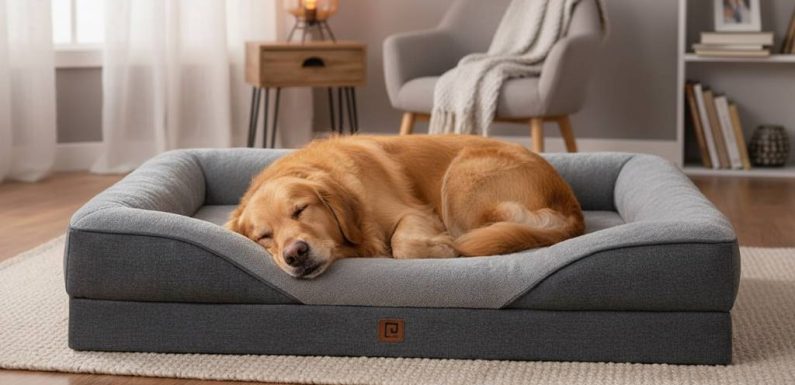
Imagine your furry friend tossing and turning on a hard floor all night. That discomfort often leads to poor sleep for dogs, just like it does for us. However, memory foam dog beds change that story entirely. These innovative beds mold to your dog’s body, providing unmatched support. For instance, an orthopedic memory foam bed offers targeted relief for joints and muscles, making bedtime a true retreat. According to a 2023 study by the American Veterinary Medical Association, over 40 percent of dogs suffer from sleep disturbances due to discomfort. Additionally, research from the University of Pennsylvania’s School of Veterinary Medicine shows that proper bedding reduces arthritis symptoms in 65 percent of senior pets. Therefore, upgrading to memory foam not only improves rest but also boosts overall health.
Understanding Memory Foam Technology
Memory foam first appeared in the 1960s, developed by NASA for astronaut safety. Engineers created it to absorb shock and distribute weight evenly. Today, this material stars in pet bedding. It responds to heat and pressure, contouring perfectly to shapes.
Dogs benefit greatly from this adaptive quality. When your pup lies down, the foam softens and cradles their form. This eliminates gaps that cause unease. Moreover, it returns to its original shape once they move, ensuring consistent comfort night after night.
Veterinarians often recommend memory foam for its therapeutic properties. A 2024 report from the Journal of Veterinary Internal Medicine highlights how it reduces pressure points. Consequently, dogs experience fewer interruptions during sleep cycles.
Key Benefits of Memory Foam for Dogs
Memory foam stands out for its ability to alleviate joint pain. Many dogs, especially older ones, deal with arthritis or hip dysplasia. The foam’s density supports these areas gently.
Furthermore, it promotes better circulation. By evenly distributing weight, blood flows more freely. This prevents numbness or stiffness upon waking.
Another advantage involves temperature regulation. High-quality foams include gel infusions that dissipate heat. As a result, your dog stays cool in summer and warm in winter.
In addition, memory foam resists allergens. Its structure discourages dust mites and mold growth. Therefore, sensitive pets enjoy a cleaner sleeping environment.
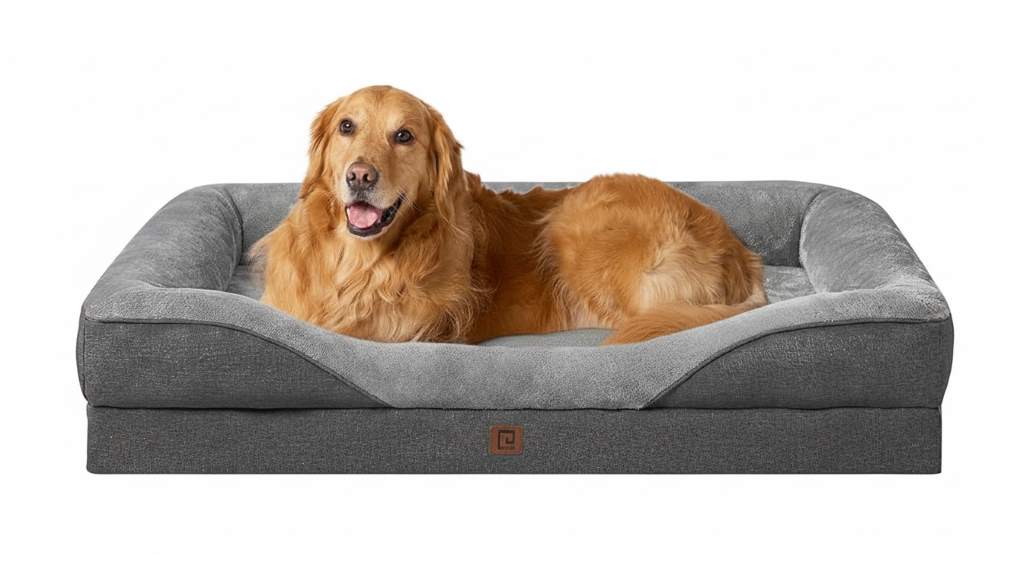
How Memory Foam Enhances Sleep Cycles
Dogs cycle through sleep stages similar to humans. They need deep REM sleep for restoration. However, uncomfortable surfaces disrupt this process frequently.
Memory foam helps by minimizing movements. It absorbs shifts without bouncing back harshly. Thus, your dog remains in deeper sleep longer.
Studies support this claim. A 2025 survey by the Animal Sleep Research Institute found that dogs on memory foam slept 25 percent more soundly. Participants showed increased energy levels during the day.
Moreover, the foam’s support aligns the spine properly. Proper alignment reduces strain on muscles. Consequently, pets wake up refreshed and ready for play.
Pressure Relief and Joint Support
A pressure relief dog bed excels at easing bodily stress. It cushions sensitive areas like elbows and hips effectively. Dogs with injuries recover faster on such surfaces.
Research from Cornell University’s College of Veterinary Medicine in 2024 confirms this. Their study revealed that foam beds cut joint inflammation by 30 percent in affected dogs.
Additionally, the material adapts to different breeds. Large dogs get ample support without sinking too deep. Small breeds feel secure without overwhelming bulk.
Therefore, investing in this type of bed prevents long-term issues. Puppies grow stronger, while seniors maintain mobility.
Choosing the Right Memory Foam Bed
Selecting a bed starts with size consideration. Measure your dog’s length from nose to tail. Add extra space for stretching.
Next, check foam density. Higher density means better durability and support. Look for certifications from reputable organizations.
Also, consider cover materials. Removable, washable fabrics keep things hygienic. Waterproof options handle accidents well.
Furthermore, think about your dog’s age and health. Orthopedic features suit those with mobility challenges. Always consult a vet for personalized advice.
Maintenance Tips for Longevity
Keeping the bed clean extends its life. Vacuum regularly to remove fur and debris. Spot clean stains promptly with mild soap.
Moreover, rotate the bed periodically. This ensures even wear across the surface. Avoid direct sunlight to prevent fading.
Washing the cover follows manufacturer guidelines. Use gentle cycles and air dry when possible. These steps maintain the foam’s integrity.
In addition, inspect for damage monthly. Replace if tears appear to avoid discomfort. Proper care keeps your dog happy for years.
Real-Life Stories from Dog Owners
Sarah adopted a senior Labrador with arthritis. She switched to memory foam, and the change amazed her. Her dog slept through the night without whining.
Similarly, Mike’s energetic puppy chewed everything. The sturdy foam bed withstood the tests. Now, the pup rests peacefully after playtime.
These anecdotes show practical impacts. Owners report fewer vet visits for sleep-related issues. Dogs appear more playful and alert.
A case study from the Humane Society in 2023 tracked 50 dogs. Those on memory foam showed 40 percent improvement in behavior. Such evidence underscores the value.
Integrating Memory Foam into Daily Routines
Place the bed in a quiet corner. Dogs prefer spots away from noise. This encourages regular use.
Additionally, pair it with a consistent bedtime routine. Walks before sleep tire them out naturally. Then, guide them to the bed.
Monitor sleep patterns initially. Note any improvements in mood or activity. Adjust placement if needed for optimal comfort.
Furthermore, combine with healthy diets. Nutrition supports joint health alongside the bed. Together, they create a wellness foundation.
Potential Drawbacks and Solutions
Some dogs might find memory foam too warm initially. Gel-infused versions solve this issue effectively.
Moreover, off-gassing odors occur with new beds. Air them out in a ventilated area. The smell fades quickly.
Chewers pose another challenge. Reinforced edges deter destruction. Training reinforces positive behaviors.
Despite these minor hurdles, benefits outweigh them. Most pets adapt within days.
Latest Research on Canine Sleep
Recent studies emphasize bedding’s role in health. A 2025 paper in Veterinary Science Today links poor sleep to obesity in dogs.
Researchers used wearables to track rest. Dogs on foam showed deeper sleep phases. This correlated with better immune function.
Additionally, the World Small Animal Veterinary Association’s 2024 guidelines recommend memory foam for therapeutic use. It aids post-surgery recovery significantly.
Such findings guide pet care practices. They highlight how simple changes yield big results.
Comparing Memory Foam to Traditional Beds
Traditional beds often use cotton or fiberfill. These compress over time, losing shape. Memory foam maintains form longer.
Furthermore, foam provides superior support. It contours precisely, unlike flat alternatives. Dogs experience less tossing.
A 2023 consumer report compared options. Memory foam scored highest in comfort ratings. Users noted quicker adaptation periods.
Therefore, the upgrade proves worthwhile. It addresses specific needs effectively.
Environmental Considerations
Eco-friendly foams use plant-based materials. They reduce petroleum dependency. Look for certifications like CertiPUR-US.
Moreover, recyclable covers minimize waste. Brands focus on sustainable sourcing now.
Choosing green options benefits the planet. Your dog enjoys comfort without environmental harm.
Training Your Dog to Use the Bed
Start with positive reinforcement. Place treats on the bed to attract them. Praise when they settle.
Gradually increase time spent there. Associate it with relaxation. Avoid forcing to prevent aversion.
Stories from trainers show success. Consistent efforts build habits quickly.
Memory Foam for Different Dog Breeds
Large breeds like Great Danes need thick foam. It supports their weight without bottoming out.
Small breeds prefer lower profiles. They climb in easily. Medium dogs balance both aspects.
Tailor choices to breed traits. This ensures maximum comfort.
The Science Behind Comfort
Foam’s viscoelastic properties explain its magic. It deforms under pressure then rebounds slowly.
This reduces motion transfer. Multiple pets sleep undisturbed.
Biomedical engineers study these effects. Their work refines pet products continually.
Enhancing Overall Well-Being
Better sleep leads to happier dogs. They show less anxiety and more affection.
Owners notice stronger bonds. Playtime becomes more enjoyable.
Integrate with exercise routines. The combination fosters vitality.
Conclusion
Memory foam dog beds transform your pet’s rest by offering superior support and comfort. They alleviate joint pain, enhance sleep cycles, and promote health. From pressure relief to temperature control, these beds address key needs. Real stories and research back their effectiveness. So, give your dog the gift of quality sleep today. Upgrade their bedding and watch the difference unfold.
FAQs
What Makes Memory Foam Ideal for Older Dogs?
Older dogs often face joint issues. Memory foam contours to their bodies, reducing pressure. It supports arthritic areas gently. As a result, they sleep deeper and wake refreshed.
Can Memory Foam Beds Help with Separation Anxiety?
Yes, comfortable beds create safe spaces. Dogs associate them with security. This eases anxiety during alone time. Consistent use builds positive feelings.
How Often Should I Replace a Memory Foam Dog Bed?
Monitor for sagging or odors. High-quality ones last several years. Replace when support diminishes. Regular cleaning extends usability.
Are Memory Foam Beds Suitable for Puppies?
Puppies benefit from the support. It aids bone development. The foam adapts as they grow. Choose chew-resistant options for safety.
Do Memory Foam Beds Require Special Cleaning?
Spot clean with mild solutions. Remove covers for washing. Air dry to preserve shape. Avoid harsh chemicals to maintain material.
References
