

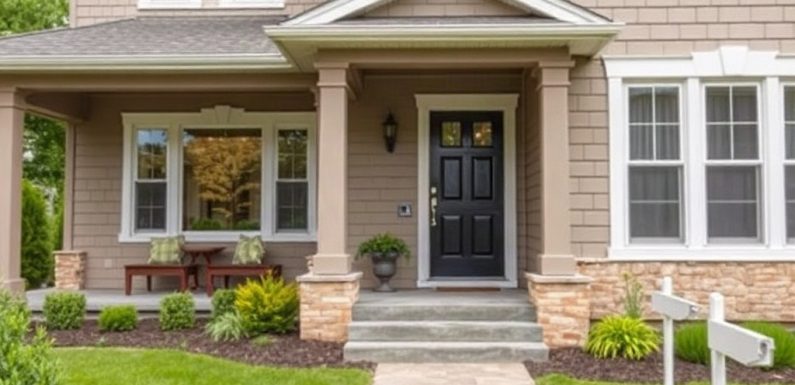
A buyer’s first impression forms before anyone steps inside, and a cracked walkway or faded trim can cost you the sale. Prepping your home’s exterior before listing it means fixing, cleaning, and presenting every outdoor surface a buyer will see. If you are unsure what to tackle first, learn more about how curb appeal shapes first impressions. This guide explains what the work involves, why it pays off, and which steps deliver the most value for your time and budget.
Quick answer: Clean every exterior surface, repair visible damage, refresh paint and trim, and make the yard look maintained and easy to care for. Prioritize the front of the house and the path to the door, because those earn the most attention in listing photos and showings. Fix safety issues and obvious defects first, then spend remaining budget on cosmetic touch-ups.
What is prepping your home’s exterior before listing?
Exterior prep is the work of bringing the outside of a property to a clean, sound, and market-ready condition before it goes on the market. It combines cleaning, repairs, painting, and yard maintenance into one deliberate effort. The goal is simple: let buyers see a home that looks cared for, not one that hints at upcoming expenses.
The scope stretches well beyond mowing the lawn. It includes:
- Siding and walls: washing away dirt, mildew, and cobwebs; patching cracks; touching up paint
- Roof and gutters: clearing debris, confirming gutters drain away from the foundation, replacing missing shingles
- Windows and doors: cleaning glass, painting frames, replacing worn weatherstripping, making handles work smoothly
- Hardscape: leveling uneven pavers, sealing the driveway, repairing fence boards
- Landscaping: trimming overgrowth, edging beds, adding fresh mulch, and pruning shrubs away from the house
This work is distinct from a full renovation. You are not rebuilding the exterior; you are removing the small failures that pile up over years of normal weather. A buyer scanning a listing online spends seconds on the main photo. A clean, orderly exterior buys you the click that gets them to the interior pictures.
Timing matters as much as content. A fresh paint job applied weeks before listing looks better than one finished months earlier, and mulch laid too soon fades. Plan the sequence so the most visible work lands close to your listing date. For a broader view of how outdoor presentation connects to value, landscaping ideas for resale offer useful direction on which yard projects earn attention.
Key takeaway: Exterior prep is a targeted cleanup and repair pass, not a rebuild — focus on what buyers see and what signals deferred maintenance.
Why prepping your home’s exterior before listing matters
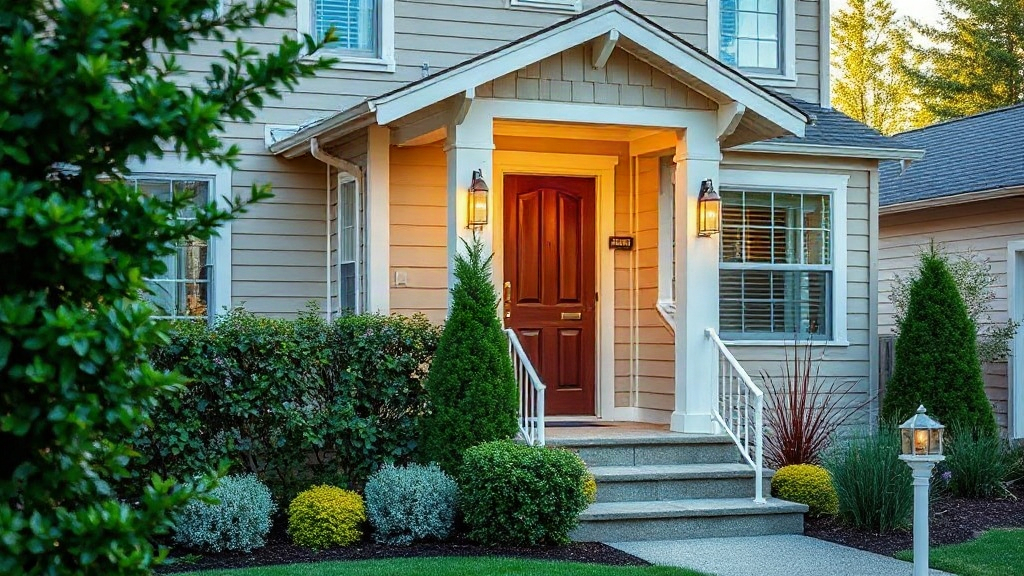
The exterior is the only part of your home every buyer encounters, and it shapes the entire showing. A visitor who spots peeling paint or a sagging gate starts the walkthrough with doubts. That first judgment colors how they read everything inside, even a well-kept kitchen.
Preparation also protects your negotiating position. Buyers and inspectors look for signs of neglect, and exterior defects invite requests for credits or price reductions. A gutter that dumps water against the foundation raises questions about basement moisture. A rotting windowsill suggests other wood rot nearby. Addressing these issues before they appear in a report keeps the conversation about the home’s strengths.
Photography adds another layer. Most buyers begin their search online, and exterior shots anchor nearly every listing gallery. Bright, clean curb appeal draws more clicks and more showings. Dull paint, overgrown shrubs, or a cluttered driveway can flatten interest before anyone reads the description.
There is also a safety dimension. Loose railings, cracked steps, or missing walkway lights create genuine hazards during open houses. A single fall on your property during a showing is a problem you do not want. Fixing those items protects visitors and removes a source of buyer hesitation.
The financial logic is straightforward. Exterior work generally costs far less than interior renovation, and it influences the impression that supports your asking price. You are spending modest amounts to prevent larger perceived problems.
Buyers use the exterior to decide whether a home is worth a closer look. Clean and sound beats stylish and flawed.
Key takeaway: A prepared exterior builds confidence, protects your price, and keeps the listing’s first impression working in your favor.
Best practices
Start with a wash, because dirt makes every other flaw look worse. Pressure-wash siding, walkways, and fences at a pressure suited to each surface; too much force etches wood and strips paint. Clean gutters, then confirm downspouts carry water at least several feet from the foundation.
Work from the top down and from repairs to cosmetics:
- Repair structural items first. Fix loose railings, cracked steps, damaged siding, and missing roof shingles.
- Refresh paint where it shows. Repaint the front door, trim, and shutters. These small surfaces carry outsized visual weight.
- Clean glass and hardware. Wash windows inside and out, and polish house numbers and the door handle.
- Shape the landscape. Edge beds, trim shrubs so they clear the siding and windows, and lay fresh mulch.
- Stage the entry. A clean doormat, a working porch light, and a clear path make the doorway welcoming.
Make the yard read as low-maintenance. Buyers often worry about upkeep, so a tidy, simple landscape reassures them more than an elaborate garden that demands constant care. Remove dead plants, store hoses and bins out of sight, and keep the driveway free of oil stains.
Walk up to your front door after dark and check what a buyer would see. A burnt bulb or a dim entry undermines an otherwise clean facade.
Sequence the work so it stays fresh. Power-wash and repair early; paint, mulch, and plant closer to your listing date. Build a two-to-three-week window for the final pass, and keep receipts for any contracted work in case buyers ask about completed repairs.
Key takeaway: Clean first, repair second, refresh cosmetics last, and time the visible finishing touches near your listing date.
Common mistakes to avoid
The most expensive mistake is overspending on the wrong things. A new deck or elaborate garden rarely returns its cost at sale. Buyers pay for a sound, clean, well-presented home, not a landscaping showcase. Put money into repairs and presentation before you consider upgrades.
Overlooking the sides and rear of the house is another frequent error. Buyers walk the perimeter, and inspectors photograph every angle. Focus only on the front facade and a sagging back fence or mildewed siding will surface later, often after the buyer has already formed a poor impression.
Timing errors also hurt. Painting too early can leave fresh work weathered by listing day, while mulching in a rainy stretch can wash color and leave beds looking tired. Skipping the wash before painting traps dirt under new paint and shortens its life.
Watch for these specific traps:
- Hiding defects instead of fixing them: caulking over rot or painting over cracks usually becomes visible again during inspection.
- Ignoring drainage: water pooling near the foundation is a red flag that no amount of fresh paint conceals.
- Overgrown planting: shrubs blocking windows make rooms look dark and suggest neglect.
- Clutter on display: bins, toys, and equipment in the driveway undercut an otherwise tidy scene.
- DIY work beyond your skill: badly installed trim or uneven patching looks worse than the original wear.
Painting over moisture damage or sealing a leaking joint hides nothing from a thorough inspector. Repair the cause before you refresh the surface.
Key takeaway: Spend on repairs and cleanliness rather than showpieces, cover the whole exterior, and fix underlying problems instead of disguising them.
FAQ
How much should I budget for exterior prep before listing?
Costs vary widely by home size and condition, so set a budget after a full walkthrough. Prioritize safety repairs, cleaning, and paint touch-ups first. Most sellers get the best return by funding repairs and presentation rather than large upgrades.
How far in advance should I start exterior work?
Begin major repairs roughly four to eight weeks before listing. Save pressure-washing, painting, and mulching for the final two to three weeks so everything looks fresh. Rushing the schedule usually shows in sloppy details.
Is professional pressure-washing worth it?
For siding, driveways, and roofs, professional washing is often safer than renting equipment. The wrong pressure or technique can damage wood, strip paint, or force water behind siding. A single mistake can cost more than the service.
What if my exterior has damage I cannot afford to fix?
Disclose known issues and price accordingly. Minor problems can be addressed in negotiation, but hidden damage erodes trust. A candid, tidy home with an honest disclosure often sells more smoothly than one with surprises.
Do small cosmetic touches really matter?
Yes, because they read as signs of overall care. Fresh paint on a front door, clean windows, and neat mulch tell buyers the home has been maintained. Those signals carry weight when buyers compare similar properties.
Conclusion
A strong exterior comes from disciplined preparation: clean every surface, repair what is broken, refresh the visible details, and keep the yard simple and tidy. Work from repairs to cosmetics, cover all four sides of the house, and time the finishing touches close to your listing date. Begin with a walkthrough of your property, list every defect and dirty surface, and schedule the work in priority order, starting with the entry and the front facade. Finish that list, and your home will meet buyers looking its best.
