

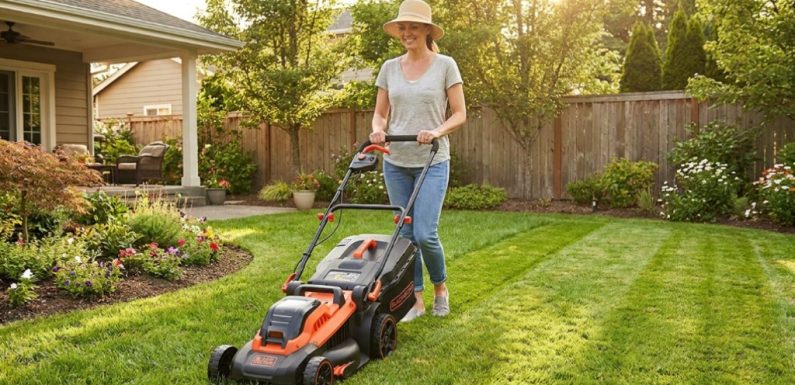
If you are searching for the best electric mower for Arizona, you already know the challenge: brutal summer heat, dry spells followed by monsoon growth, and a lawn that can go from sparse to overgrown in a matter of weeks. The BLACK+DECKER 3-in-1 electric mower addresses this with a mulching function that returns grass clippings to the soil instead of sending you to the curb with bags. This article explains how the mulching mode saves time, when it works well in Arizona conditions, and when bagging or side discharge makes more sense.
Key Takeaways
- Mulching cuts clippings into fine pieces that decompose on the lawn, eliminating bagging and disposal trips.
- Mulching works best when you remove no more than about one-third of the grass blade height per cut.
- Arizona’s dry heat and warm-season grasses like bermuda and St. Augustine respond well to mulching when the lawn is actively growing.
- In monsoon season or when grass is overgrown and wet, bagging or side discharge prevents clumps and clogs.
- The 3-in-1 design gives you flexibility to switch modes without buying a second machine.
How the Mulching Function Actually Saves Time
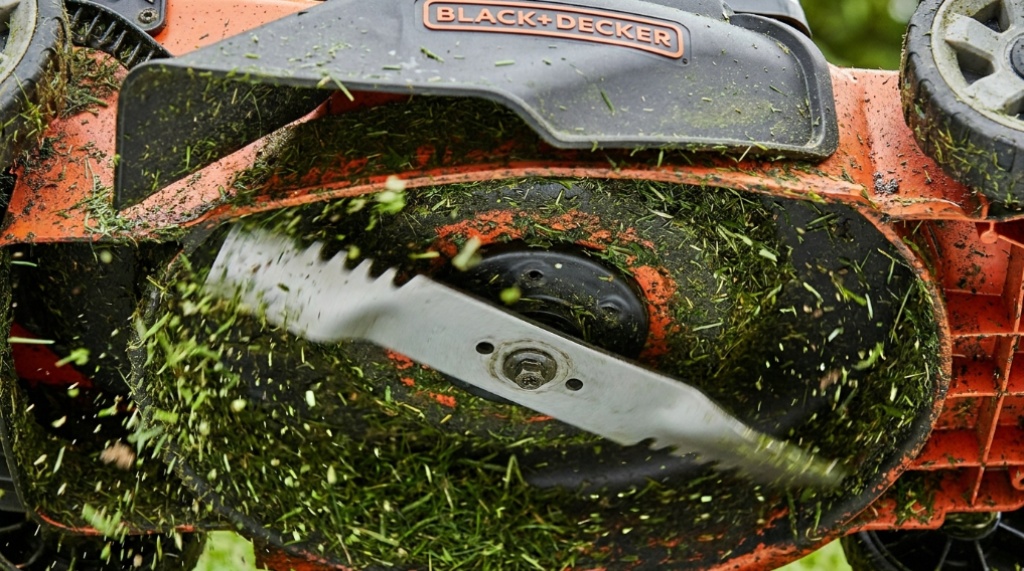
Mulching saves time because you skip the entire bagging cycle: no stopping to empty the bag, no hauling clippings to the green waste bin, and no separate yard waste pickup schedule to manage. The mower’s blade repeatedly cuts clippings into smaller pieces that fall back into the turf and break down naturally.
For a typical Arizona residential lot, that can mean eliminating multiple trips to empty a bag during a single mowing session. Over a full growing season, those minutes add up. The trade-off is that mulching demands a bit more discipline about mowing frequency and lawn moisture, which is covered below.
If you want a deeper look at how this model performs specifically in desert conditions, this breakdown of the best electric mower for Arizona covers runtime, cutting height, and monsoon-season behavior in more detail.
Why Mulching Matters More in Arizona Than Most States
Arizona lawns face conditions that make mulching both appealing and slightly trickier than in cooler, wetter climates. Understanding these factors helps you decide when to mulch and when to switch modes.
Heat and soil moisture
In low-desert areas, soil dries quickly. Mulched clippings can actually help by acting as a thin surface layer that slows evaporation and keeps soil temperatures slightly lower. That said, if the lawn is already heat-stressed and dormant, mulching adds little benefit because clippings will not decompose quickly.
Warm-season grasses
Bermuda, St. Augustine, and zoysia are common in Arizona. These grasses grow aggressively during warm months, which means clippings are plentiful. A mower that mulches well is genuinely useful here—but only if you keep up with mowing intervals.
Monsoon season
From roughly July through September, sudden heavy rain can cause rapid growth and wet turf. Wet grass clippings clump, and clumps smother the lawn underneath. During monsoon weeks, bagging or side discharge is often the safer choice.
When Mulching Works Best (and When It Doesn’t)
Mulching is not a universal setting. It works under specific conditions and causes problems outside them.
| Condition | Mulching works well | Switch to bag or side discharge |
|---|---|---|
| Grass height | Removing one-third or less | Overgrown or tall grass |
| Moisture | Dry to slightly damp | Wet from rain or irrigation |
| Season | Active growing season | Dormant or heat-stressed lawn |
| Disease pressure | Healthy turf | Fungal issues present |
If you mulch when the grass is too tall or too wet, you get clumps, uneven cut quality, and possibly a clogged deck. The mower may also bog down, which drains the battery faster than normal mowing, To enhance your outdoor space further while keeping chores efficient, learn how landscaping can create your own cottage style garden.
Setting Up the 3-in-1 Mower for Mulching
Switching modes on a 3-in-1 mower usually involves the rear discharge door and an included mulch plug or mulch cover. The exact steps vary by model, but the general process is consistent:
- Power off and remove the safety key or disconnect the battery.
- Lift the rear discharge door.
- Insert the mulch plug fully until it seats correctly.
- Close the door and confirm the plug is secure.
- Set the cutting height appropriately for your grass type and current length.
Skipping the secure-seat step is a common mistake. A partially inserted plug can rattle loose and let clippings escape through the rear opening, defeating the purpose of mulching.
Cutting Height and Timing for Arizona Lawns
Cutting height is one of the most overlooked factors in whether mulching succeeds or fails. In Arizona’s heat, mowing too short stresses the lawn and exposes soil to direct sun.
- Bermuda: Generally maintained shorter, but still avoid scalping during peak heat.
- St. Augustine: Prefers a taller cut; removing too much at once is stressful.
- Zoysia: Tolerates a moderate height and mulches well when kept consistent.
A practical rule is to raise the deck slightly in midsummer, mow more frequently, and never remove more than one-third of the blade at once. This keeps clippings small enough to disappear into the turf.
Battery Runtime and Mulching Load
Mulching puts more load on the motor than bagging or side discharge because clippings recirculate inside the deck. That extra load can reduce runtime per charge compared with lighter cutting modes.
For most residential yards, this is manageable if you plan around it: mulch when the grass is dry and not overgrown, and keep spare batteries charged if your yard is on the larger side. If runtime becomes tight, side discharge is a lighter-load alternative that still avoids bagging.
Common Mistakes That Undo the Time Savings
Mulching saves time only when it is done correctly. These mistakes frequently erase the benefit:
- Letting grass grow too tall between cuts, then trying to mulch it all at once.
- Mowing wet grass, especially after monsoon rain or early-morning irrigation.
- Using a dull blade, which tears grass and leaves clumps instead of fine clippings.
- Mulching a lawn that already has a thick thatch layer, which slows decomposition.
- Ignoring the mulch plug installation, so clippings exit the rear anyway.
Correcting these habits usually matters more than changing equipment.
Mulching vs. Bagging vs. Side Discharge: A Quick Comparison
| Mode | Best for | Main drawback |
|---|---|---|
| Mulching | Frequent cuts, healthy lawns, saving time | Struggles with tall or wet grass |
| Bagging | Overgrown grass, wet conditions, thatch control | Requires emptying and disposal |
| Side discharge | Fast cutting, lighter motor load | Clippings scatter and can look messy |
For Arizona homeowners, the practical approach is often seasonal: mulch during active, dry growth and switch to bagging during monsoon weeks or after a long gap between cuts.
Frequently Asked Questions
Does mulching really save time compared to bagging?
Yes, primarily by eliminating bag emptying, disposal trips, and yard waste coordination. The cutting itself takes roughly the same time, but the surrounding chores disappear.
Is mulching safe for Arizona lawns in extreme heat?
It can be, as long as the lawn is actively growing and you avoid cutting too short. Mulched clippings may even help retain a bit of soil moisture, but they won’t rescue an already heat-stressed, dormant lawn.
Can I mulch wet grass after monsoon rain?
It is not recommended. Wet clippings clump, clog the deck, and can smother the turf. Wait until the grass dries, or use bagging or side discharge instead.
How often should I mow when mulching?
More frequently than when bagging—ideally often enough that you never remove more than about one-third of the blade height in a single pass.
Will mulching cause thatch buildup?
Not usually, if clippings are fine and the lawn is actively growing. Thatch problems are more often linked to infrequent mowing, excessive watering, or certain grass types rather than mulching itself.
Do I need a different mower for mulching in Arizona?
No. A 3-in-1 mower with a mulch plug handles the job. The key is using the right mode for the current grass conditions, not buying a separate machine.
Conclusion
The BLACK+DECKER 3-in-1 electric mower’s mulching function removes one of the most tedious parts of lawn care: bagging and disposal. In Arizona, it works best during active, dry growing periods with frequent cuts at the right height. During monsoon season or after long gaps between mowings, switching to bagging or side discharge keeps the lawn healthy and the mower running smoothly. Used with a bit of timing discipline, mulching is a genuine time-saver rather than just a feature on a spec sheet.
