

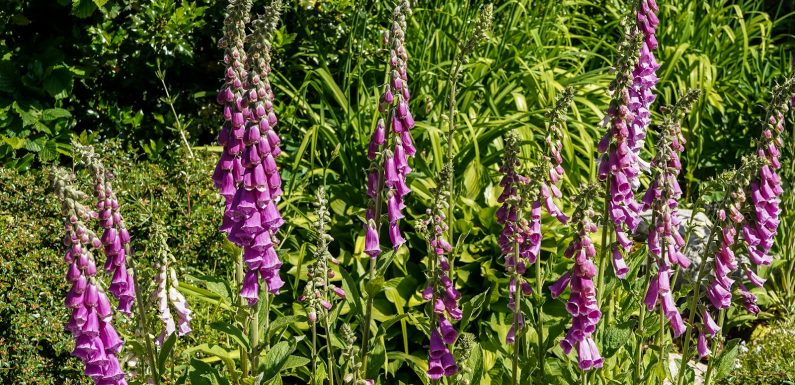
A traditional cottage garden is truly beautiful. Full of charm and colour, it is an informal, slightly wild style that makes a garden feel welcoming and looks good in every season. You don’t need a country cottage or a large garden to create it. You can do it yourself, or with the help of a local landscaper, and have a cottage garden of your own.
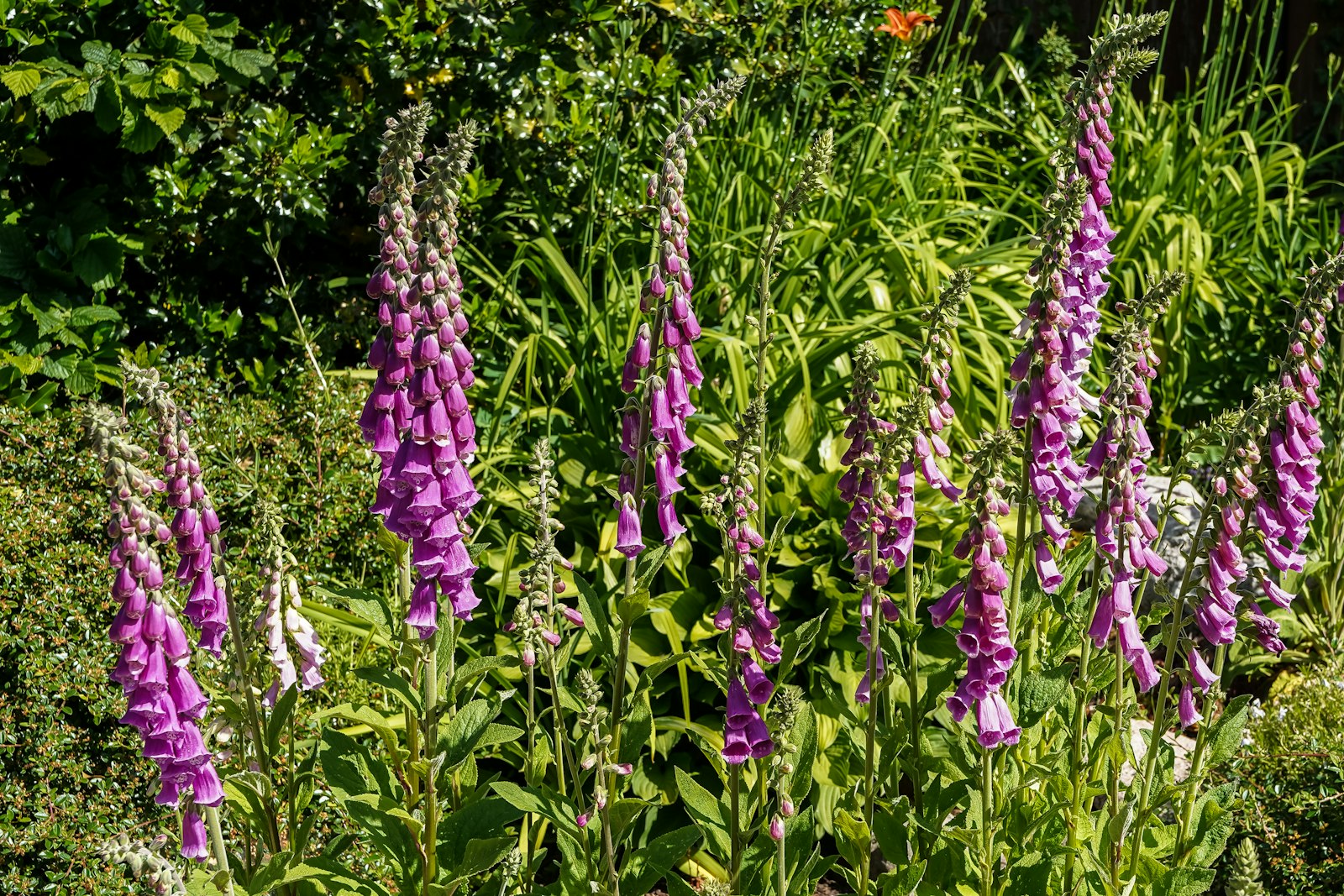
Photo by Wolfgang Weiser on Unsplash
Cottage gardens are much less formal than many other styles. They don’t have neat lines or symmetry. Curved walls and paths and softer edges create a more natural look, and borders are filled with a colourful mix of flowers, herbs and shrubs. Natural materials such as reclaimed stone and timber are used for paths and edging.
Plants are the main focus of a cottage garden. Traditional choices include lavender, hollyhocks, sweet peas, lupins, foxgloves and, of course, roses. Mixing plants of different heights and colours gives you flowers through the year, and means pollinators will keep visiting as different plants come into season.
If you have an arch or a pergola, you can train climbers over it. Jasmine, honeysuckle, clematis and climbing roses all look beautiful grown this way.
Planting a cottage border that lasts
To create a full cottage border, plants are grown in layers throughout the bed. The tallest plants such as hollyhocks, delphiniums and foxgloves are placed at the back of the border. Medium height plants like lupins, geraniums and phlox are planted in the middle of the border and low growing plants like catmint, lady’s mantle and pinks are placed at the front of the border. Some plants can trail down the path if desired. Plants are grouped in odd numbers such as 3 or 5 of the one plant and repeats of the same plant are used throughout the border to create a visually coherent look. Cover all the soil so that weeds can’t grow in the gaps between plants. Many of the cottage garden plants are short-lived or produce masses of seed, so expect the border to change from year to year and allow some of the seedlings to grow.
Frequently asked questions
Do cottage gardens need a lot of maintenance?
Most of these plants require regular maintenance during the summer months. They need to be deadheaded from time to time, tall plants staked and watered during periods of dry weather. They form a dense enough mass to prevent many weeds from growing.
When should I plant a cottage garden?
For the perennials and shrubs it is best to plant in autumn and spring. For the hardy annuals such as cornflowers and poppies you can sow them directly into the borders in spring.
Can a cottage garden work in a modern home?
Yes. Loosely planted, colourful plantings can look soft against modern buildings. Simple paving with clean edges to the border provides an up-to-date look.
