


Your dog is whining at the door. The carrier you bought online last month is already falling apart, the zipper snags, and the fabric smells like stale anxiety. You have a weekend trip planned to Leavenworth, and now you are panicking about how your furry co-pilot will survive the ride. Finding a premium pet carrier WA that balances Washington’s unpredictable weather, your vehicle’s space, and your pet’s nerves can feel overwhelming. But the right carrier isn’t just a bag—it’s your pet’s safety pod, your stress reliever, and your ticket to hassle-free travel across the Evergreen State.
Choosing a premium carrier goes far beyond picking the most expensive one on the shelf. It means understanding your pet’s dimensions, your travel habits from Seattle traffic to mountain trails, and the safety certifications that keep your companion secure. In this comprehensive guide, we’ll break down everything you need to know—from measuring your pet correctly to navigating airline regulations and Washington-specific weather conditions—so you can make a confident, informed choice that lasts for years.
What Defines a Premium Pet Carrier in Washington?
A premium pet carrier is more than a transport bag; it is an engineered product that prioritizes safety, comfort, and durability. Unlike budget options, premium carriers use reinforced stitching, crash-tested frames, and breathable, chew-resistant materials that withstand years of use. In Washington, where rain, wind, and sudden temperature shifts are common, premium also means weather-resistant fabrics and waterproof bases that protect against damp car seats or unexpected showers.
Key Materials That Separate Premium From Basic Carriers
High-end carriers typically use aircraft-grade aluminum frames, ballistic nylon, or structured polyester with a waterproof coating. These materials resist punctures from anxious claws and maintain their shape over time. Look for interiors lined with plush, washable fleece or orthopedic padding that supports joints during long drives from Spokane to the coast.
Safety Certifications and Crash Testing Standards
Premium carriers often boast certification from the Center for Pet Safety (CPS), which crash-tests carriers using real-world automotive conditions. A CPS-approved carrier secures your pet with a seatbelt tether system and absorbs impact energy effectively. Conversely, a flimsy carrier turns your pet into a dangerous projectile during a sudden stop—a risk you simply cannot take on I-5 traffic.
Why Build Quality Matters for Washington’s Climate
Washington’s damp environment demands moisture-resistant zippers, rust-proof hardware, and quick-dry fabrics. A premium carrier uses YKK zippers that won’t jam, reinforced stress points that won’t tear, and breathable mesh panels that prevent overheating during summer hikes while retaining warmth during chilly ferry rides.
How Do You Determine the Right Carrier Size for Your Pet?
The correct carrier size ensures your pet can stand, turn around, and lie down comfortably. Measure your pet’s length (from nose to tail base) and height (from floor to top of head), then add 2–3 inches for wiggle room. A carrier that is too small restricts breathing and increases anxiety, while an oversized carrier offers poor safety during turns.
Step-by-Step Measuring Guide for Dogs and Cats
First, measure your pet while they are standing naturally. For dogs, measure the distance from the tip of their nose to the base of their tail, and their height from the floor to the top of their shoulders. For cats, follow the same process. Finally, weigh your pet. A premium carrier should support 1.5 times their body weight for maximum safety margins.
Common Sizing Mistakes Pet Owners Make
Many owners buy carriers based on breed averages, not individual measurements. A slim Border Collie may need a medium carrier while a stocky Bulldog requires a large one. Another frequent error involves ignoring weight capacity—exceeding the limit stresses the frame, zippers, and handles, leading to premature failure.
Understanding Airline and Car Travel Space Constraints
Airlines enforce strict under-seat dimensions, typically around 18 x 11 x 11 inches for cabin travel. If you plan to fly, measure your carrier’s exterior dimensions and confirm they fit your airline’s specific seat spaces. For car travel, ensure the carrier fits securely on the back seat, secured with a seatbelt loop rather than being wedged upright,
Which Carrier Style Suits Washington Travelers Best?
Your travel style dictates the carrier’s shape. A rolling carrier works best for airport terminals and smooth sidewalks, while a backpack is ideal for hiking trails in the Cascades. Sling carriers suit small pets that prefer being close to your chest, and padded top-loading carriers simplify vet visits and car rides by allowing easy access from above.
Backpack Carriers for Hiking and Outdoor Adventures
Suppose you enjoy exploring Mount Rainier National Park or walking Seattle’s bustling streets. In that case, a backpack carrier distributes your pet’s weight evenly across your shoulders, leaving your hands free. Look for one with an internal frame, adjustable straps, and a ventilation system that prevents your pet from overheating during vigorous activity.
Rolling Carriers for Airports and Smooth Surfaces
Rolling carriers offer convenience for travelers who navigate long airport concourses. Choose a model with sturdy wheels, a telescoping handle, and a stable base that doesn’t tip easily. These carriers convert into standard carrying bags when you hit rough terrain or stairs.
Soft-Sided vs. Hard-Sided Carriers: Pros and Cons
Soft-sided carriers flex to fit under tighter airplane seats and conform to car interiors, but provide less impact protection. Hard-sided carriers offer superior crash safety and are easier to clean, but they are bulkier and less flexible. For Washington road trips, a crash-tested soft-sided carrier with a reinforced top often provides the best balance of safety and portability.
Why Is Ventilation and Visibility Critical for Your Pet’s Comfort?
Proper airflow prevents heat exhaustion and reduces motion sickness, while clear visibility helps anxious animals feel less confined. Premium carriers feature mesh windows on multiple sides, ensuring air circulates freely and your pet can see you, which lowers stress hormones. Without adequate ventilation, your pet can quickly become distressed during a summer drive through Eastern Washington.
Signs Your Pet Is Overheating Inside a Carrier
Watch for excessive panting, drooling, lethargy, or restlessness. If your pet’s ears feel hot or their gums turn bright red, remove them from the carrier immediately and provide water. Choose carriers with thermal-regulating fabrics like CoolMesh or breathable spacers that maximize airflow without compromising structural integrity.
Balancing Privacy and Openness for Anxious Pets
Some pets prefer a dark, den-like space while traveling. Select a carrier with a removable privacy flap or one that has mesh that can be covered partially. This way, you control how much visual stimulation your pet receives, allowing you to shield them during chaotic ferry crossings or airport crowds while revealing views during scenic highway drives.
What Safety Features Should a Premium Carrier Have?
Safety features determine how well a carrier protects your pet during an accident. Look for an interior tether that clips to your pet’s harness (never a collar) to prevent escape. Exterior seatbelt loops secure the carrier to your vehicle’s anchor points, while robust, puncture-resistant zippers deter determined escape artists.
The Role of Seatbelt Tethers and Anchoring Systems
A seatbelt tether drastically reduces injury risk by keeping the carrier grounded during hard braking. Loop the vehicle’s seatbelt through the carrier’s rear slots and buckle it securely. Never place a carrier in the front passenger seat; airbag deployment can crush the carrier and harm your pet.
Crash Testing and Consumer Safety Ratings Explained
The Center for Pet Safety conducts rigorous tests simulating frontal, side, and rollover collisions at various speeds. Their “Crash Tested” seal signifies that a carrier protected a 50-pound crash dummy in a 30-mph impact. While not legally required, CPS certification remains the industry benchmark for premium safety claims.
Escape-Proof Zippers and Reinforced Seams
Double-stitched seams and lockable zippers add layers of security. Some premium carriers feature zipper guards that prevent pets from pressing their paws through gaps. Always test the zipper’s resistance before travel by attempting to pull it from inside via the mesh—this simple step reveals weak points.
How Does Washington’s Weather Impact Your Carrier Choice?
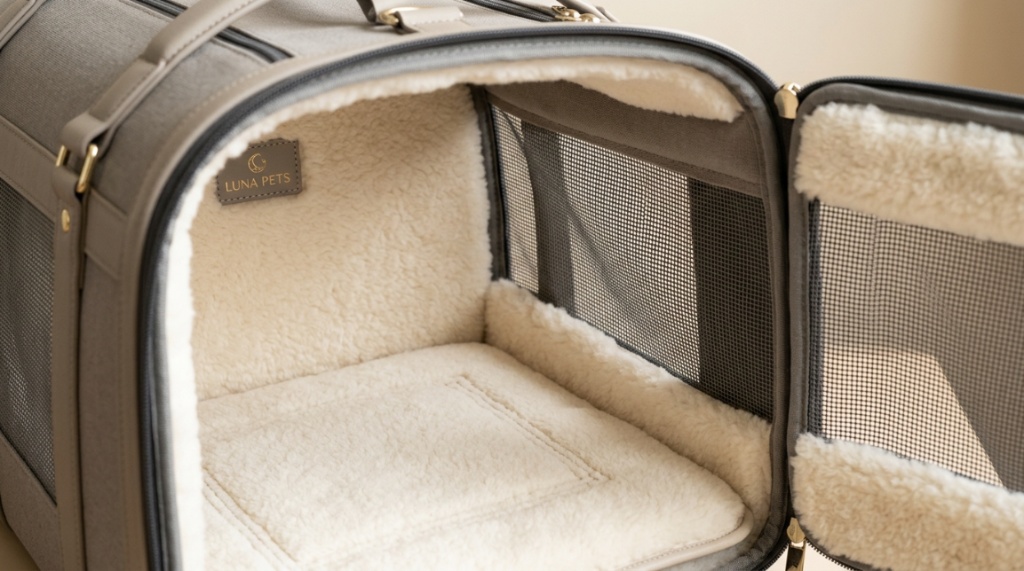
Washington’s split personality—rainy western half and arid eastern half—requires a carrier that adapts. A water-resistant exterior protects against drizzle, while breathable mesh prevents heat buildup during sunny days in Yakima. Insulated carriers add warmth for mountain trips in winter but need cooling panels for summer excursions.
Waterproofing and Rust-Resistant Hardware for Rainy Days
Check that the carrier’s bottom has a waterproof, wipeable liner or a removable PVC tray. Look for zippers coated with water-resistant enamel and buckles made of marine-grade stainless steel. Rusting hardware not only looks ugly but can seize up, rendering the carrier unusable in an emergency.
Insulated Carriers for Mountain and Winter Travel
If you drive to Snoqualmie Pass or ski at Crystal Mountain, an insulated carrier retains body heat, keeping your pet warm in unheated cars or during outdoor breaks. Alternatively, thermal panels can be removed when temperatures climb. Always pair insulation with a temperature-regulating pad that prevents overheating.
Cooling Features for Hot Summer Months
During July and August, Eastern Washington temperatures frequently exceed 90°F. Carriers with self-cooling gel inserts or fans provide relief. Ensure your carrier has adequate airflow so these cooling features work efficiently, preventing your pet from suffering heat stress while you hike or tailgate.
How to Match a Carrier to Your Pet’s Temperament and Needs
Your pet’s personality matters as much as size. A nervous dog needs a carrier with a low-stress opening, such as a top-loading zipper that allows you to lift them gently without forcing them through a narrow front gate. An escape artist requires extra-secure zipper locks and interior tethers.
Carriers for Anxious or Nervous Pets
Choose carriers with a calming dark color scheme, optional privacy covers, and a thin, comfortable mattress that retains your scent. Spray the carrier with synthetic pheromones like Adaptil before travel. Features like a covered den with a single entry point can make a nervous cat feel safe.
Carriers for Puppies and Kittens (Growth Considerations)
Young pets grow quickly, but do not buy a “for growth” carrier. Oversized spaces increase accident risk during sudden stops. Instead, buy a carrier that fits their current size and upgrade as they mature. Choose one with a soft, washable interior, as accidents are common during the first few trips.
Heavy-Duty Options for Escape Artists and Chewers
Pets that chew or scratch excessively require carriers made from tear-resistant ballistic nylon or aircraft-grade aluminum. Avoid flimsy mesh panels and ensure all zippers are metal, not plastic. Consider a carrier with a metal-reinforced door, which provides a solid yet breathable barrier against aggressive attempts to escape.
What Are the Best Budget Ranges for Premium Carriers?
Premium carriers typically cost between $150 and $600, depending on materials and certifications. A mid-range carrier priced around $200 offers good safety features and durability for most owners. Top-tier carriers with CPS approval and premium materials may exceed $500 but provide unmatched protection.
Comparing Features Across Different Price Points
Below $200, you’ll find robust soft-sided carriers with decent stitching but few certifications. $200–$350 marks the sweet spot where you’ll find crash-tested carriers with water-resistant exteriors and ergonomic handles. Above $350, expect aerospace materials, lifetime warranties, and customizable accessories.
Is a Cheaper Carrier Ever a Better Choice?
If you travel rarely and have a calm, small pet, a well-constructed $100 carrier may suffice. However, consider the cost of replacing a cheap carrier every 18 months versus investing once in a durable model. Premium carriers also retain resale value, often selling for 50% of their original price.
Where to Find Deals on High-End Carriers in Washington
Check local pet boutiques in Seattle, like All the Best Pet Care, for seasonal sales. Online retailers often discount discontinued colors. Join local pet owner groups on social media, where members frequently swap or sell gently used premium carriers. Visiting them in person lets you assess zipper quality and fabric feel before committing.
How to Test and Verify a Carrier’s Quality Before Buying
Before finalizing a purchase, inspect the carrier thoroughly. Zip and unzip all compartments 20 times, tug firmly on seams, and apply pressure to the base. A quality carrier shows no signs of strain. Always perform a “shake test” by placing a weighted object inside and simulating a jerk motion to check for wobble or structural failure.
Checklist for In-Person Inspection
Bring a tape measure and your pet’s harness. Measure interior width, height, and depth. Feel the fabric’s denier (thickness) and confirm the base is rigid. Examine all buckles for smooth operation. Finally, have your pet step inside to gauge their comfort level; if they immediately try to exit, the carrier may be too small or poorly designed.
Reading Reviews and Identifying Fake Claims
Seek reviews from verified buyers, specifically those who mention using the carrier on flights or long road trips. Be wary of reviews that sound overly promotional or vague. Cross-reference certifications on the manufacturer’s website and call customer support with technical questions to gauge their expertise,Remember to integrate a familiar blanket and a premium pet carrier WA into your routine to create a safe, predictable space for your companion.
Warranty and Customer Support Expectations
Premium brands offer at least a one-year warranty against manufacturing defects. Look for companies that provide replacement parts, like zippers or buckles, as this extends the carrier’s lifespan. A responsive support team that answers within 24 hours signals a company that stands behind its product.
Can You Use a Premium Carrier for Air Travel in Washington?
Yes, most premium soft-sided carriers meet United, Delta, and Alaska Airlines carry-on requirements. However, you must verify the specific dimensions for your airline and route. A compliant carrier fits under the seat without crushing your pet, maintaining adequate headroom and airflow for the entire flight duration.
Specific Airline Size Restrictions to Know
The major carriers based in the Pacific Northwest, Alaska Airlines and Delta, require under-seat dimensions of approximately 17 x 11 x 11 inches. Confirm your carrier’s exterior height when packed (not collapsed) and check the airline’s website for recent changes. Arrive early to allow for security checks that require removing your pet from the carrier.
TSA Checkpoint Procedures and Best Practices
You must remove your pet from the carrier and send the empty carrier through the X-ray machine. Keep your pet on a short leash or harness while you pass through the metal detector. A premium carrier’s collapsing design speeds up this process, letting you quickly unzip the top and retrieve your pet without fumbling.
Never Fly Without Checking Airline Pet Policies
Airlines change pet policies frequently; Washington’s local carriers often alter booking requirements based on season and demand. Verify that your carrier meets the latest underseat height restrictions and that your destination allows pets. Some airlines will refuse boarding if the carrier is even an inch oversize.
Which Accessories Make a Premium Carrier More Functional?
Investing in the right accessories transforms a good carrier into a truly indispensable travel companion. A non-slip, washable liner protects the interior and provides traction. A fleece insert adds cushioning. A water bottle with a mountable bowl ensures hydration, while a designated storage pouch keeps poop bags, treats, and vaccination records organized.
Essential Add-Ons for Comfort and Convenience
Purchase a covered, waterproof liner that fits the exact interior dimensions. Add a dual-locking carabiner clip to attach the carrier to a stroller or cart. A shoulder strap with a padded grip relieves hand strain, and a luggage sleeve slides over rolling suitcase handles for convenient airport terminal navigation.
Carrier Technology: GPS Trackers and Smart Features
Some premium carriers integrate a pocket for an Apple AirTag or a dedicated GPS tracker. This allows you to monitor your pet’s location via your smartphone during chaotic layovers or ferry crossings. While you shouldn’t rely solely on technology, these trackers provide an invaluable peace of mind, especially with escape-prone pets.
Cleaning and Maintenance Supplies
Use a mild, pet-safe enzymatic cleaner to refresh the interior weekly. Most premium carriers feature a fully removable, machine-washable liner. Always air-dry the frame after washing to prevent rust. Store the carrier open in a dry, cool place—never folded—to maintain its structural integrity.
Frequently Asked Questions
What is the safest pet carrier for car travel in Washington?
The safest carrier is one that is Center for Pet Safety (CPS) certified, such as models from Sleepypod or Gunner. These carriers are crash-tested to withstand 30-mph impacts and feature seatbelt tethers that secure them to your vehicle’s anchors, preventing your pet from becoming a projectile.
Can I take a premium pet carrier on a plane?
Yes, most soft-sided premium carriers meet airline under-seat requirements. Always check the specific dimensions (typically 17 x 11 x 11 inches) with your airline before flying. Ensure the carrier is flexible enough to slightly compress while still providing adequate headroom for your pet.
How often should I replace my pet’s carrier?
Replace a premium carrier every 5–7 years, or immediately if you notice torn seams, broken zippers, or compromised frame integrity. If the carrier has been involved in a car accident, replace it even if it looks fine, as impact forces can weaken the structure invisibly.
Is a hard-sided or soft-sided carrier better for an anxious pet?
A soft-sided carrier is often better for anxious pets because it conforms to tight spaces, allows closer proximity to the owner, and offers multiple mesh windows for visibility. The flexibility also absorbs motion, reducing the feeling of being jostled, which helps soothe nervous animals.
What is the weight limit for a premium pet carrier?
Weight limits vary, but premium carriers typically support between 15 and 40 pounds. Never exceed the manufacturer’s stated maximum, as doing so can cause the seams to burst and the floor to sag, posing a serious safety hazard for your pet during travel.
How do I clean a premium pet carrier?
Unzip and remove the plush liner and wash it in cold water with mild detergent. Wipe down the interior metal frame with a damp cloth and use a soft brush to remove hair from mesh panels. Never machine-wash the entire carrier structure.
Are premium carriers worth the higher price tag?
Yes, if you travel regularly, own a high-energy pet, or drive long distances. The premium price buys certified crash safety, durable materials that last years, worldwide warranties, and higher resale value. For occasional, local trips, a budget carrier may suffice, but it lacks the protection of premium models.
Conclusion: Your Roadmap to Finding the Perfect Carrier
Selecting the right carrier is a personal decision shaped by your pet’s temperament, your travel frequency, and Washington’s unique climate. Begin with precise measurements and safety certifications. Prioritize crash-tested models, weather-resistant fabrics, and escape-proof zippers.
Now that you know the difference between a bargain bag and a protective pod, you can move forward with confidence—no more panic before weekend getaways. Take your pet on a test drive in the new carrier, reward them with treats inside it, and build positive associations. Ultimately, a premium carrier is an investment in your pet’s safety and your shared happiness, enabling countless adventures from the San Juan Islands to the rolling Palouse. Make the wise investment today, and enjoy worry-free travels tomorrow.
