

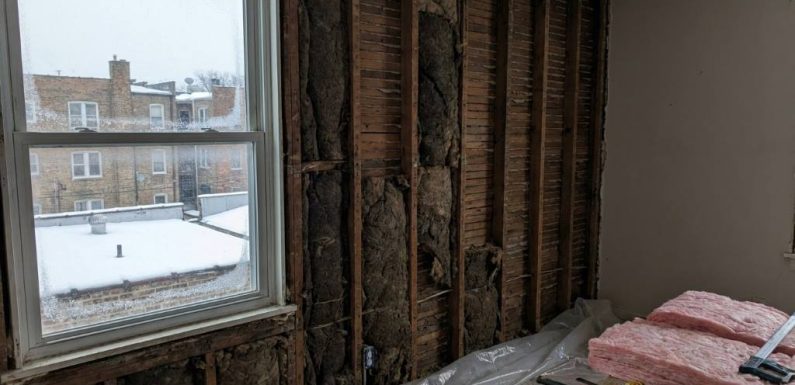
Chicago homeowners often discover hidden insulation problems when they begin remodeling projects. According to the U.S. Department of Energy, heating and cooling account for nearly 50% of home energy use in colder regions. Chicago also experiences winter temperatures that frequently drop below freezing, which places extra pressure on walls, ceilings, and floors. During remodeling, contractors often uncover air leaks, moisture damage, and outdated insulation materials. Many homeowners also search for window removal and wall insulation tips because older Chicago homes lose heat around outdated window frames and poorly sealed wall cavities.
Chicago’s Harsh Climate Creates Unique Insulation Challenges
Chicago weather changes dramatically throughout the year. Winters bring freezing winds from Lake Michigan, while summers often become humid and warm. Because of these temperature swings, insulation must work harder than in milder regions. Remodeling projects expose weak insulation areas that homeowners never noticed before. As a result, many contractors recommend upgrading insulation while walls and ceilings remain open.
Many older homes in Chicago still contain outdated fiberglass batts or insufficient blown insulation. These materials often settle or deteriorate after decades of use. During renovations, contractors frequently identify moisture buildup behind drywall and around exterior walls. Homeowners who already focus on maintenance tasks like bathroom cleaning checklist safety routines often understand how hidden moisture can slowly damage structural materials. Proper insulation helps reduce these long-term moisture risks while improving indoor comfort.
Older Chicago Homes Were Built Under Different Energy Standards
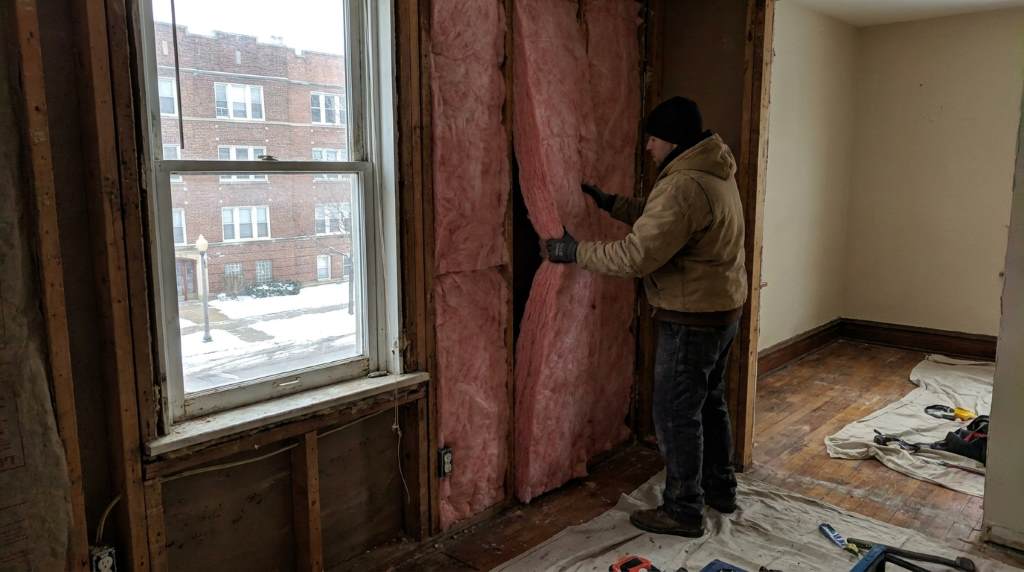
Many Chicago homes were constructed before modern energy efficiency standards existed. Builders during the early and mid-1900s prioritized structural strength more than thermal performance. As a result, walls often contain little or no insulation. Remodeling projects provide the perfect opportunity to correct these older construction methods. Homeowners can significantly reduce energy loss by upgrading insulation during renovation work.
Chicago’s historic brick homes create additional insulation concerns. Brick absorbs moisture and cold temperatures during winter months. Without proper wall insulation, indoor rooms become uncomfortable and difficult to heat evenly. Contractors frequently recommend foam board or spray foam insulation behind renovated walls. Homeowners planning luxury remodeling work, including custom bathroom renovation Miami inspired layouts, often combine insulation upgrades with complete room redesigns to maximize comfort and efficiency.
Room Remodeling Often Exposes Hidden Air Leaks
Walls and ceilings may appear solid from the outside, but remodeling often reveals major air leakage points. Small cracks around plumbing pipes, electrical wiring, and ductwork allow heated air to escape. In Chicago winters, these tiny gaps increase heating costs quickly. Insulation alone cannot solve the issue without proper air sealing. Contractors usually address both problems together during remodeling.
Air leaks also create uneven indoor temperatures throughout the home. One room may feel warm while another remains cold and drafty. During remodeling, contractors can identify problem areas with thermal cameras and airflow testing equipment. This process helps homeowners understand where insulation improvements will have the greatest impact. Consequently, remodeled rooms become more comfortable and energy efficient year-round.
Lake Michigan Humidity Impacts Wall Performance
Chicago’s proximity to Lake Michigan creates higher humidity levels than many homeowners realize. Moisture can slowly enter walls through tiny cracks and poorly insulated surfaces. Over time, trapped condensation damages wood framing, drywall, and insulation materials. Remodeling projects often uncover hidden mold growth or damp insulation inside exterior walls. Proper insulation systems help control indoor moisture while reducing condensation risks.
Spray foam insulation has become increasingly popular in Chicago remodeling projects because it seals air leaks and controls moisture simultaneously. Unlike traditional fiberglass, spray foam expands into gaps and hard-to-reach corners. This creates a stronger thermal barrier against humid outdoor air. Contractors also pair insulation upgrades with better ventilation systems during remodeling. These combined improvements help protect the home’s long-term structural integrity.
Attic and Ceiling Insulation Problems Are Common
Many Chicago homes lose substantial heat through poorly insulated attics. During remodeling, contractors frequently discover compressed or uneven attic insulation. Ice dams often form during winter because warm indoor air escapes through the roof. These ice dams can damage shingles, gutters, and ceilings over time. Additional attic insulation helps maintain more stable roof temperatures and prevents costly repairs.
Ceiling insulation also improves indoor comfort during summer months. Chicago summers can become humid and surprisingly hot, especially in upper-level rooms. Proper insulation blocks excessive heat transfer from the roof into living spaces. Consequently, air conditioning systems operate more efficiently and experience less strain. Remodeling projects create ideal conditions for upgrading these hidden ceiling areas.
Basement Remodeling Requires Special Insulation Attention
Chicago basements often experience moisture issues because of freeze-thaw cycles and groundwater pressure. During basement remodeling, contractors commonly remove old wall coverings and uncover damp insulation or mold damage. Concrete foundation walls allow cold temperatures to enter indoor spaces easily. Without proper insulation, remodeled basements remain uncomfortable during winter. Therefore, insulation upgrades become essential for creating usable living areas.
Rigid foam insulation works especially well for Chicago basement walls. It resists moisture better than traditional fiberglass insulation products. Contractors often install vapor barriers alongside insulation to prevent condensation buildup. Basement remodeling projects also provide opportunities to seal rim joists and foundation cracks. These improvements significantly reduce drafts and energy loss.
Chicago Building Codes Encourage Better Insulation Standards
Modern Chicago building codes now require higher insulation performance during major renovations. Contractors must often upgrade insulation when homeowners open walls or expand living spaces. These regulations help improve energy efficiency across older neighborhoods. Although insulation upgrades may increase remodeling costs initially, they often lower utility expenses over time. Homeowners also benefit from improved indoor comfort and better property value.
Building inspectors may require specific R-value insulation levels depending on the remodeling area. Exterior walls, attics, and basements all have different insulation standards. Professional contractors understand these local requirements and recommend suitable materials. Following code standards also helps homeowners avoid future renovation complications. As a result, insulation upgrades become a smart long-term investment.
Sound Control Is Another Important Benefit
Many Chicago neighborhoods experience constant outdoor noise from traffic, trains, and busy streets. Remodeling projects give homeowners opportunities to improve indoor sound control through upgraded insulation. Dense insulation materials help absorb outside noise more effectively than older products. Bedrooms, offices, and entertainment rooms especially benefit from better soundproofing. Consequently, insulation upgrades improve both comfort and privacy.
Interior insulation also reduces noise transfer between rooms and floors. Families living in multi-story homes often notice significant sound improvements after remodeling. Contractors may recommend mineral wool insulation because it provides excellent thermal and acoustic performance. This dual-purpose benefit makes insulation upgrades more valuable during renovation projects. Many homeowners appreciate quieter indoor environments after the work is complete.
The Stack Effect Creates Hidden Energy Loss
One uncommon but important issue in Chicago homes involves the stack effect. During winter, warm air naturally rises and escapes through upper levels of the home. This process pulls cold outdoor air into lower levels through cracks and gaps. Older Chicago homes experience this effect more severely because of aging construction materials. Remodeling projects allow contractors to interrupt this airflow cycle with strategic insulation improvements.
The stack effect often causes uneven heating throughout the house. Upper floors may feel excessively warm while lower rooms stay cold and drafty. Contractors address this issue by sealing attic penetrations and improving wall insulation continuity. Spray foam insulation works especially well for controlling hidden airflow pathways. This rarely discussed factor explains why some Chicago homes remain uncomfortable despite high heating costs.
Best Insulation Materials for Chicago Remodeling Projects
Different insulation materials perform better depending on the remodeling location. Chicago contractors often recommend specific products based on moisture exposure, wall depth, and energy goals. Choosing the right material improves long-term durability and efficiency. Homeowners should understand the advantages of each insulation type before starting renovations. Professional guidance helps avoid costly installation mistakes.
- Spray foam insulation provides strong air sealing and moisture resistance.
- Fiberglass batts offer affordable thermal protection for standard wall cavities.
- Mineral wool insulation improves both fire resistance and sound control.
- Rigid foam boards work well for basement and exterior wall applications.
- Blown cellulose insulation helps fill irregular attic spaces effectively.
Signs Your Chicago Home Needs Extra Insulation During Remodeling
Many homeowners overlook insulation problems until remodeling begins. However, several warning signs indicate that upgrades may already be necessary. Recognizing these symptoms early helps homeowners plan renovation budgets more effectively. Contractors often inspect insulation conditions during initial remodeling consultations. Early detection prevents larger structural problems later.
- Rooms feel drafty during winter months.
- Heating bills remain unusually high each season.
- Walls feel cold to the touch indoors.
- Ice dams form along roof edges regularly.
- Indoor temperatures vary significantly between rooms.
- Musty odors appear inside walls or basements.
Insulation Improves Long-Term Home Value
Energy-efficient homes attract more buyers in competitive real estate markets like Chicago. Modern insulation upgrades improve comfort, reduce energy costs, and support healthier indoor environments. Buyers often prefer remodeled homes with updated insulation and lower utility expenses. Consequently, insulation investments can increase overall property appeal. Remodeling projects become more valuable when homeowners include energy performance improvements.
Well-insulated homes also place less strain on heating and cooling systems. Furnaces and air conditioners operate more efficiently when indoor temperatures remain stable. This reduces maintenance costs and extends equipment lifespan. Homeowners planning premium upgrades, including ideas from design custom bathroom luxurious concepts, often combine insulation improvements with aesthetic renovations for maximum return on investment. These combined upgrades create more attractive and functional living spaces.
Conclusion
Chicago homes often require extra insulation during remodeling because of harsh winters, aging construction, moisture exposure, and hidden air leaks. Renovation projects provide ideal opportunities to improve energy efficiency while walls and ceilings remain accessible. Proper insulation upgrades reduce heating costs, improve indoor comfort, and protect homes from long-term structural damage. Homeowners who invest in modern insulation systems often experience better air quality and quieter living environments. If you plan a remodeling project in Chicago, consult experienced contractors who understand local climate challenges and insulation requirements before construction begins.
FAQs
Why do Chicago homes lose heat so quickly during winter?
Older construction methods and poor insulation allow warm indoor air to escape easily during freezing temperatures.
What insulation type works best for Chicago basements?
Rigid foam insulation performs well because it resists moisture and improves thermal protection.
Does remodeling always require insulation upgrades?
Major remodeling projects often expose insulation problems that contractors recommend fixing immediately.
Can insulation reduce outside noise in Chicago neighborhoods?
Yes, dense insulation materials help block traffic, train, and street noise effectively.
How does insulation improve energy efficiency?
Proper insulation reduces heat transfer, allowing heating and cooling systems to work more efficiently.
