

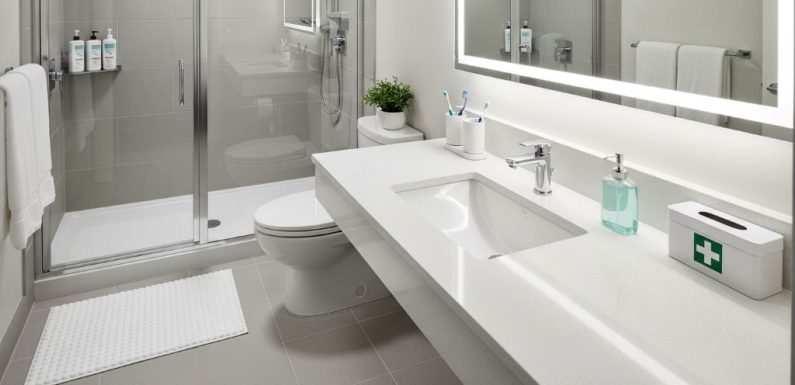
A clean bathroom is more than just visually appealing. It plays a crucial role in keeping your family safe from slips, falls, and harmful bacteria. Therefore, creating a thorough bathroom cleaning checklist helps you maintain both hygiene and safety standards. This guide will walk you through preparing an effective checklist that addresses common safety hazards while ensuring your bathroom stays spotless.
Understanding the Connection Between Cleanliness and Safety
Many people overlook how cleanliness directly impacts bathroom safety. Soap scum, mildew, and water buildup create slippery surfaces that increase fall risks. Additionally, bacteria and mold growth can trigger respiratory issues and allergic reactions. A systematic cleaning approach tackles these problems before they become serious hazards.
Regular cleaning also helps you spot maintenance issues early. For instance, you might notice loose tiles, damaged caulking, or faulty fixtures during your cleaning routine. Addressing these problems promptly prevents accidents and costly repairs down the line.
Essential Areas to Include in Your Checklist
Creating a comprehensive checklist requires identifying all areas that need attention. Start by dividing your bathroom into zones. This method ensures you don’t miss any critical spots.
Floor and Mat Areas
The bathroom floor presents the highest slip risk in your home. Your checklist should include sweeping or vacuuming loose debris daily. Mopping with appropriate cleaners removes soap residue and prevents buildup. However, always ensure the floor dries completely before anyone uses the bathroom.
Bath mats and rugs need regular washing to prevent mold growth underneath. Check that your mats have non-slip backing and replace them when worn. Additionally, inspect the floor for standing water, which indicates drainage problems requiring immediate attention.
Toilet and Surrounding Areas
The toilet area harbors numerous bacteria and requires thorough cleaning. Your checklist should cover the bowl interior, exterior surfaces, seat, lid, and base. Don’t forget the area behind the toilet where dust and grime accumulate.
Use disinfectants that kill germs effectively. Allow the cleaner to sit for the recommended time before wiping. This ensures maximum effectiveness against harmful microorganisms. Moreover, check the toilet base for water leaks that could damage your flooring.
Shower and Bathtub Zones
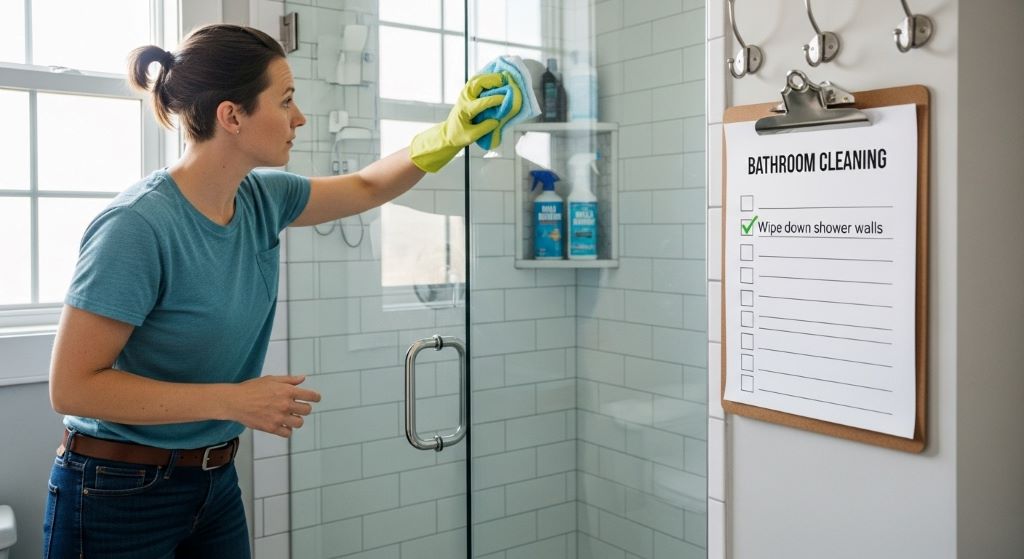
Showers and tubs accumulate soap scum, hard water stains, and mildew quickly. Your checklist must include scrubbing walls, doors, and floor surfaces weekly. Pay special attention to grout lines where mold thrives in damp conditions.
Install and maintain non-slip mats or adhesive strips inside your tub and shower. These safety features dramatically reduce fall risks. Furthermore, ensure your shower curtain or door stays mold-free by cleaning it regularly with appropriate solutions.
Sink and Countertop Spaces
Bathroom sinks collect toothpaste, soap residue, and hair daily. Wipe down countertops and sink basins after each use when possible. Deep clean these areas weekly with disinfectant cleaners to eliminate bacteria buildup.
Check faucets for leaks and ensure proper drainage. Standing water around sinks creates slip hazards and promotes mold growth. Therefore, addressing plumbing issues quickly maintains both cleanliness and safety.
Mirrors and Glass Surfaces
Clean mirrors and glass doors improve visibility and prevent accidents. Streaky or foggy surfaces make it difficult to see clearly. Use glass cleaner weekly to maintain sparkling surfaces.
Additionally, check that mirrors are securely mounted to walls. Loose fixtures pose serious injury risks if they fall. Tighten mounting hardware as needed during your cleaning routine.
Safety-Specific Items for Your Checklist
Beyond general cleaning tasks, include specific safety checks in your routine. These items directly prevent common bathroom accidents.
Ventilation and Air Quality
Proper ventilation prevents mold growth and maintains healthy air quality. Your checklist should include running exhaust fans during and after showers. Clean fan covers monthly to ensure efficient operation.
Open windows when weather permits to increase air circulation. According to the Centers for Disease Control and Prevention, adequate ventilation is essential for preventing mold-related health issues. Good airflow also helps surfaces dry faster, reducing slip risks.
Lighting and Electrical Safety
Adequate lighting prevents trips and falls in the bathroom. Check that all bulbs work properly and provide sufficient illumination. Replace burnt-out bulbs immediately to maintain visibility.
Inspect electrical outlets for moisture damage or loose connections. Keep electrical devices away from water sources. Additionally, ensure night lights function correctly for safe nighttime bathroom visits.
Storage and Organization
Cluttered bathrooms create tripping hazards and make cleaning difficult. Include decluttering in your regular checklist. Store cleaning supplies, toiletries, and other items in designated spots.
Keep floors clear of obstacles. Ensure cabinets close properly and don’t have sharp edges exposed. Moreover, organize items so you can easily find what you need without creating messes.
Hardware and Fixture Inspection
Check grab bars, towel racks, and toilet paper holders for secure mounting. Loose fixtures can cause injuries if someone relies on them for support. Tighten screws and anchors regularly.
Inspect shower heads and faucets for proper function. Inconsistent water temperature or pressure might indicate plumbing problems. The Consumer Product Safety Commission emphasizes that maintaining fixtures properly reduces accident risks significantly.
Creating a Cleaning Schedule
A checklist only works if you follow it consistently. Divide tasks into daily, weekly, and monthly categories based on importance and frequency needs.
Daily Tasks
Daily maintenance keeps your bathroom safe between deep cleaning sessions. Quick wipe-downs of counters and sinks take just minutes. Squeegee shower walls after use to prevent water buildup. Hang towels and bath mats to dry properly.
Weekly Deep Cleaning
Set aside time weekly for thorough cleaning. This includes scrubbing toilets, showers, tubs, and floors. Disinfect high-touch surfaces like door handles and light switches. Wash bath mats and replace towels with fresh ones.
Monthly Maintenance
Monthly tasks address less obvious areas. Clean exhaust fans, light fixtures, and cabinet interiors. Check caulking and grout for damage. Inspect plumbing for leaks or other issues requiring professional attention.
Choosing the Right Cleaning Products
Safety extends to the products you use. Select cleaners appropriate for each surface type. Harsh chemicals can damage fixtures and pose health risks.
Eco-Friendly Options
Many effective cleaning solutions use natural ingredients. Vinegar works well on soap scum and mineral deposits. Baking soda provides gentle scrubbing power without scratching surfaces. These options are safer for families with children or pets.
Disinfectants and Sanitizers
Choose EPA-registered disinfectants for killing germs effectively. Read labels carefully to ensure products are safe for your specific surfaces. Always follow manufacturer instructions for dilution and contact time.
Storage and Handling
Keep cleaning products in original containers with intact labels. Store them out of children’s reach in well-ventilated areas. Never mix different cleaners, as this can create dangerous chemical reactions.
Adapting Your Checklist for Special Needs
Different households have unique requirements. Customize your checklist accordingly.
Homes with Children
Child safety requires extra attention. Install toilet locks and cabinet latches. Keep small items that pose choking hazards out of reach. Use non-toxic cleaning products exclusively.
Accommodations for Elderly or Disabled Users
Ensure grab bars are strategically placed and properly installed. Maintain clear pathways free from obstacles. Consider raised toilet seats and shower chairs for added stability.
Multiple Bathroom Households
Create separate checklists for each bathroom. Guest bathrooms may need less frequent deep cleaning but still require regular maintenance. Master bathrooms typically need more attention due to daily use.
Tracking Progress and Making Adjustments
Keep your checklist visible in or near the bathroom. Check off completed tasks to track progress. This visual reminder helps maintain consistency.
Review your checklist monthly to identify areas needing more attention. Adjust task frequency based on actual needs. For example, high-traffic bathrooms may require more frequent cleaning than guest facilities.
Conclusion
Preparing a bathroom cleaning checklist for bathroom safety combines hygiene practices with hazard prevention. By systematically addressing floors, fixtures, ventilation, and storage areas, you create a safer environment for everyone. Remember to divide tasks into manageable daily, weekly, and monthly routines. Use appropriate cleaning products and adapt your checklist to your household’s specific needs. Consistent maintenance not only keeps your bathroom sparkling clean but also significantly reduces accident risks and health hazards.
Frequently Asked Questions
How often should I deep clean my bathroom for safety?
Deep clean your bathroom at least once weekly. However, high-traffic bathrooms or those used by many people may need twice-weekly cleaning. Daily maintenance between deep cleans keeps surfaces safer.
What are the most dangerous areas in a bathroom?
The bathtub, shower floor, and bathroom floor present the highest slip and fall risks. Additionally, toilets harbor the most bacteria. Focus your safety efforts on these critical areas first.
Can I use homemade cleaners for bathroom safety?
Yes, many homemade solutions work effectively. Vinegar and baking soda combinations clean most surfaces safely. However, use EPA-registered disinfectants for toilets and high-touch areas where germ elimination is crucial.
How do I prevent mold growth in my bathroom?
Run exhaust fans during and after showers for at least 20 minutes. Wipe down wet surfaces promptly. Fix leaks immediately and maintain proper ventilation. Regular cleaning with mold-preventing products also helps.
What safety features should every bathroom have?
Every bathroom needs non-slip mats or strips in tubs and showers, adequate lighting including night lights, properly installed grab bars, working exhaust ventilation, and organized storage that keeps floors clear of tripping hazards.
Related Topics:
