

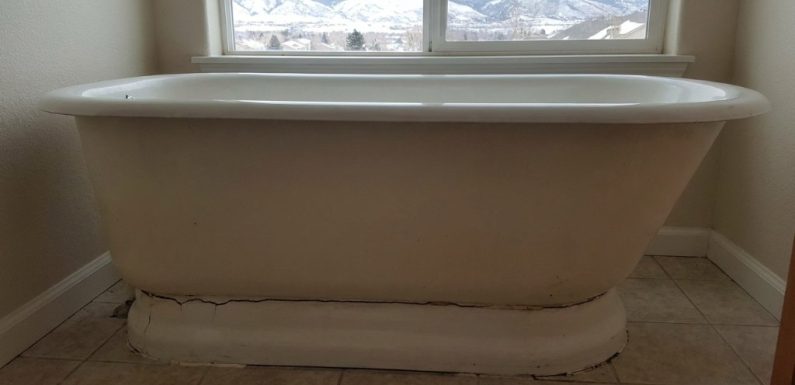
Shifting tubs cause pipe leaks in Denver, CO, because bathtub movement snaps rigid drain fittings. When heavy tubs slide during use, connected drainpipes undergo excessive shear stress and pull apart. Securing the tub basin prevents plumbing joint failure and costly hidden moisture damage below floors.
Denver homes face drastic indoor humidity changes and seasonal foundation settling along the Front Range. Studies indicate that plumbing leaks cause over 30 percent of residential property damage insurance claims annually. Furthermore, a shifting bathtub can exert over 400 pounds of lateral torque on drain assemblies. Without adequate stabilization, rigid plastic and brass drain connectors crack under repeated movement. Homeowners must anchor acrylic bathtub fixtures firmly to maintain reliable plumbing connections year after year.
Key Takeaways
- Plumbing Strain: Lateral tub movement twists rigid PVC waste pipes and snaps threaded brass joints.
- Trap Separation: Shifting basins loosen slip-joint nuts on P-traps, causing hidden floor water leaks.
- Climate Extremes: Arid Denver air and freezing winters dry subfloors, causing structural wooden shift.
- Mortar Beds: Solid mortar bedding stops acrylic tub basin flexing and eliminates connection stress.
- Flexible Couplings: Flexible drain connections absorb minor vibrations before stress damages rough plumbing joints.
The Mechanics of Shifting Bathtubs and Broken Drains
Bathtubs experience dynamic forces every time water fills the basin and bathers climb inside. In fact, a filled acrylic soaking tub frequently weighs between 500 and 800 pounds. When bathers step into the basin, this weight shifts suddenly across the subfloor surface. If the tub lacks anchors, the base shifts fractions of an inch repeatedly.
While a tiny shift seems harmless, plumbing pipes cannot tolerate continuous physical displacement. The rough drain pipe underneath sits anchored firmly to the floor framing joists. When the tub moves while the pipe stays rigid, the drain neck twists sideways. Eventually, the threaded slip joint or solvent-welded PVC flange snaps under persistent strain.
In addition, modern architectural plumbing trends celebrate sleek standalone tub designs across residential interiors. Home designers highlight these freestanding concepts during celebrations like the london design festival each autumn season. However, sleek bathroom aesthetics must incorporate durable structural anchors underneath the tub shell. Without invisible stabilization brackets, gorgeous freestanding tubs risk causing destructive structural water damage.
Denver Climate and Its Effect on Bathroom Framing
The Mile High City features an arid mountain climate with severe temperature swings. During winter months, outdoor temperatures plunge below freezing while indoor heating systems run constantly. This intense dry heat leaches moisture out of wooden subfloors and wall framing studs. Consequently, subfloor plywood shrinks, bows, and creates uneven gaps under bathtub support feet.
Furthermore, spring snowmelt saturates expansive bentonite clay soils common throughout the Denver metro area. When bentonite clay absorbs moisture, it swells upward and heaves residential foundation footings. In dry summer months, the clay soil shrinks and allows foundation slabs to settle. This perpetual foundation movement transfers upward into second-story framing, tilting tub floor platforms.
When wooden joists tilt and shrink, tub leveling feet lose contact with the floor. As a result, the tub wobbles whenever someone steps inside the water-filled basin. Top interior designers showcased at design miami luxury design exhibitions stress proper structural framing integration. Without solid leveling and floor anchoring, Denver climate cycles guarantee cracked plumbing lines.
In addition, uninsulated subfloors above unheated crawlspaces contract severely during freezing mountain nights. This thermal movement causes minor plumbing pipe shifts underneath bathroom floor assemblies. When tub movement combines with thermal pipe contraction, joint seals fail rapidly. Denver homeowners then discover dripping ceilings and waterlogged basement insulation beneath their bathrooms.
Hidden Water Damage Behind Bathroom Walls and Subfloors
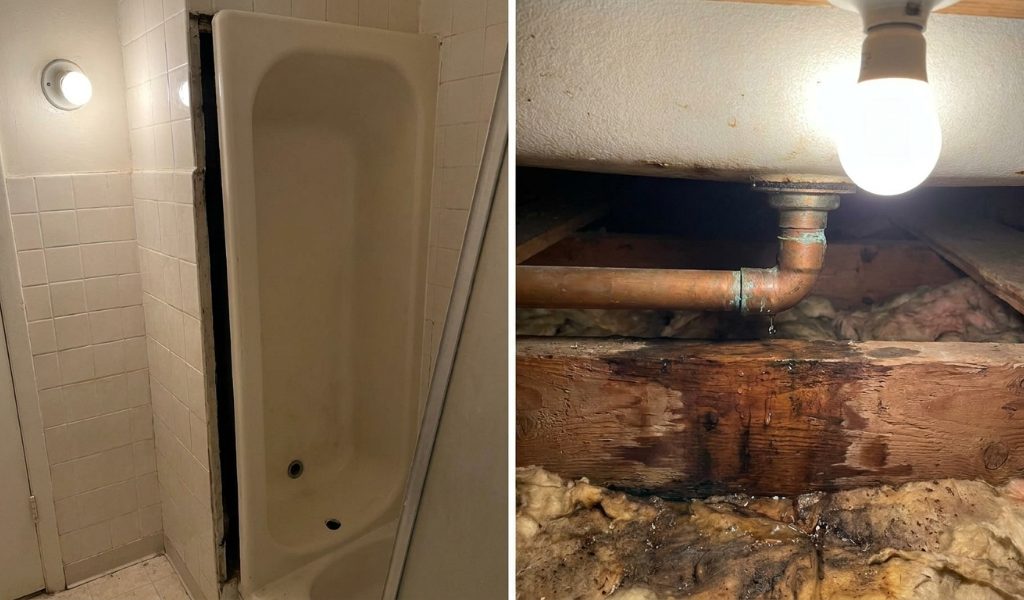
The most dangerous plumbing leaks happen silently underneath the tub where no one looks. When a shifting tub loosens a P-trap nut, water escapes during every bath drain. However, the water drains slowly into floor cavities rather than flooding the finished floor surface. Homeowners often remain unaware of the problem until serious structural decay occurs.
Over several months, escaping water rots wooden subfloor joists and promotes hazardous black mold growth. In addition, moisture ruins drywall ceilings in rooms located directly beneath the shifting tub. Repairing rotted floor framing and remediating toxic mold costs thousands of dollars in restoration fees. Consequently, preventing tub movement serves as crucial insurance against massive structural repair bills.
Moreover, persistent moisture invites wood-boring insects into damp floor joists beneath bathroom platforms. Carpenter ants and termites thrive in wet pine framing weakened by recurring bathtub leaks. Forward-thinking renovators tracking modern paris design week trends emphasize hidden structural durability above pure visual appeal. Protecting hidden framing with waterproof barriers and secure tubs keeps properties structurally sound.
How Acrylic Tub Flexing Destroys Drain Gaskets
Acrylic bathtubs are popular because they are lightweight, stylish, and comfortable to touch. However, flexible acrylic shells bow and flex significantly under the weight of bathers. When a bather steps into an unbedded acrylic tub, the bottom floor drops downward. This downward flexing compresses the rubber drain gasket located beneath the tub waste hole.
Over time, repeated flexing crushes and deforms the rubber seal under the drain flange. Once the gasket loses elasticity, bathwater seeps past the threads during tub drainage. Furthermore, downward flexing pulls the vertical overflow pipe downward against its upper mounting screw. This constant vertical pulling cracks the thin plastic overflow housing behind the tub wall.
To eliminate acrylic flexing, installers must pour a cement or mortar base underneath. A structured mortar bed supports the entire tub floor evenly without letting acrylic sag. When the basin remains rigid, the drain gasket stays firmly compressed without moving. Proper bedding prevents tub flexing from destroying delicate rubber seals and drain fittings.
Methods to Anchor Acrylic Tubs to Denver Floors
Anchoring an acrylic tub requires reliable mechanical fasteners or heavy-duty structural adhesives. For tubs against walls, install sturdy wooden stringers screwed directly into wall studs. The rear tub lip rests upon this level wooden ledger board for support. Fastening the tub flange directly to studs stops both horizontal and vertical displacement.
For freestanding acrylic tubs, manufacturers provide floor-mounted bracket systems that secure hidden legs. First, contractors mark mounting foot locations onto concrete slabs or wooden subfloor sheets. Next, they secure heavy metal brackets using masonry anchors or structural lag screws. The tub base then locks firmly onto these anchors, eliminating wobbling and sliding.
Alternatively, high-strength neutral-cure silicone adhesives provide incredible holding strength on tiled bathroom floors. Apply a thick, continuous bead of premium silicone beneath the tub bottom perimeter edge. Once cured, industrial silicone prevents lateral tub movement without requiring holes through expensive tiles. This adhesive approach keeps the tub locked while protecting underlying waterproofing membranes.
Upgrading to Flexible Plumbing Connections
Rigid PVC and ABS drain assemblies transmit every mechanical vibration directly into pipe fittings. If a tub shifts even slightly, rigid pipes bear the full shear force. Homeowners can mitigate this risk by incorporating flexible slip connectors or brass swivel joints. Flexible fittings absorb subtle floor vibrations without fracturing or loosening their watertight seals.
For freestanding soaking tubs, consider installing a dedicated rough-in drop-in drain kit. Drop-in drain assemblies feature a heavy cast brass body anchored directly to subfloor framing. A lubricated brass tailpiece slides into the receiver when lowering the tub into place. Double O-ring seals accommodate minor thermal expansion and subtle building movements easily.
Furthermore, always choose high-quality brass tailpieces over thin tubular plastic pipes under tubs. Brass tailpieces resist cracking, stripping, and crushing when subjected to accidental lateral strain. Professional Denver plumbers recommend durable brass drain assemblies for all freestanding tub installations. Combining solid floor anchors with rugged brass plumbing ensures decades of leak-free service.
Preventative Inspections and Maintenance Routines
Regular inspections help Denver homeowners catch tub shifting before pipes crack and leak. First, examine the perimeter caulk line around your bathtub base every six months. If the caulk bead pulls away, stretches, or tears, your tub has moved. A separated caulk line serves as an immediate warning of hidden subfloor shifting.
Second, test tub stability by pushing gently against the rim while the basin stands empty. If the tub wobbles, creaks, or slides across the tile, adjust the leveling feet. Tighten locking jam nuts on threaded leveling legs to keep feet locked in place. Reseal the floor perimeter with fresh silicone caulk after leveling the tub properly.
Third, inspect the ceiling below the bathtub for water stains or peeling paint regularly. If you spot faint yellow water marks, investigate the tub drain immediately before rotting occurs. Early detection allows you to tighten loose slip joints before water damages structural timbers. Consistent homeowner vigilance preserves bathroom plumbing integrity against Denver climate movement.
Conclusion
Shifting bathtubs in Denver create dangerous mechanical stresses that destroy rigid bathroom plumbing joints. Colorado dry air and expansive soils cause subfloor movement, making secure anchors essential for homeowners. By installing structural mortar beds and sturdy floor brackets, you eliminate destructive tub wobbling permanently. Flexible brass plumbing connections provide extra insurance against unexpected building movement.
Do not wait for dripping ceilings or cracked tiles to address an unsecured bathtub. Check your tub stability today and secure loose leveling legs with high-grade silicone adhesive. Consult licensed Denver plumbing contractors if you notice persistent movement or unexplained drainage moisture. Taking proactive steps today protects your lovely bathroom and saves thousands on future repairs.
Frequently Asked Questions
Why does my bathtub shift when I step inside?
Your bathtub shifts because the leveling feet lack secure mechanical anchoring or structural mortar bedding.
Can shifting bathtubs break hidden drain pipes beneath the floor?
Yes, repeated lateral tub movement exerts severe shear stress that snaps rigid drain fittings.
How does Denver dry climate contribute to loose bathtubs?
Denver dry climate shrinks wooden subfloors, creating uneven gaps that loosen bathtub leveling support feet.
What is the best way to secure a freestanding acrylic tub?
Secure freestanding acrylic tubs using dedicated floor brackets or a thick bead of structural silicone caulk.
How often should I inspect the caulk line around my tub?
Inspect the perimeter caulk line around your bathtub at least once every six months for gaps.
