

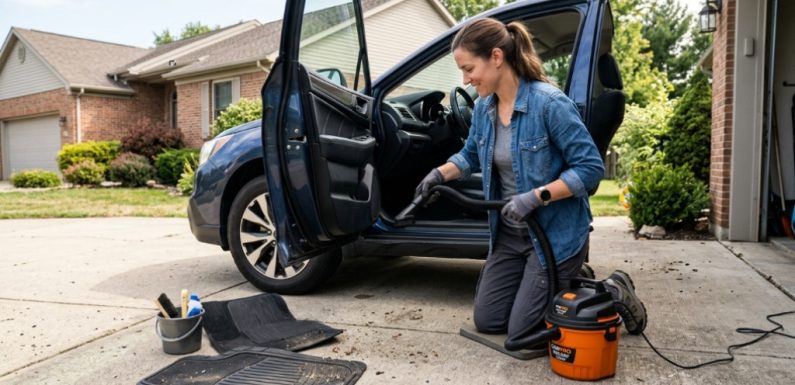
Washington’s wet winters and dusty summers create a specific kind of mess inside garages and vehicles. Between tracked-in mud, road grit, pine needles, and the occasional spilled coffee, cleanup becomes a recurring task rather than a one-time project. Many homeowners start by testing the Armor All portable utility vacuum to see whether a compact wet-dry unit can handle both garage debris and car interiors without hauling out a full-size shop vacuum. That question is worth answering honestly, because the right approach depends on what you’re cleaning and how often you’ll do it.
Quick Answer
The most effective garage and vehicle cleanup routine in Washington combines three things: a cordless or compact wet-dry vacuum for quick interior and tight-space work, a full-size shop vacuum for heavy garage debris, and a consistent seasonal schedule that prevents buildup during rainy and dusty months. Compact utility vacs work well for cars, floor mats, and small spills, but they are not a replacement for a large shop vacuum when tackling major garage messes.
Key Takeaways
- Washington’s climate creates two distinct mess types—wet seasonal mud and dry summer dust—and each needs a different vacuum approach.
- Compact wet-dry vacuums are best for vehicle interiors, mats, trunks, and small garage spills, not for large volumes of sawdust or yard debris.
- Cleaning the garage floor, walls, and shelving before detailing a vehicle prevents dust from resettling into a freshly cleaned car.
- A fixed seasonal routine (typically fall and spring) is more effective than occasional deep cleans.
- Filter maintenance matters more than suction specs when a vacuum is used on both wet and dry debris.
Why Washington Cleanup Is Different From Other Regions
Washington’s weather creates a specific cycle that most general cleaning guides ignore. From roughly October through April, vehicles track in wet soil, road salt alternatives, and organic debris from fallen leaves. That material dries inside garages and cars, then turns into fine dust that coats every surface.
By summer, the problem flips. Dry conditions, pollen, and dust from gravel driveways or unpaved roads settle into garages and vehicles in a fine, powdery layer that standard brooms simply push around. Understanding this cycle matters because it determines what type of vacuum and cleaning order actually works. A wet-dry vacuum handles the spring mud season better than a standard household vacuum, while a unit with good dry filtration handles summer dust more effectively, For a great companion tool to tackle heavy-duty messes during your cleanup, check out this guide on the craftsman 2.5 gallon shop vac review
Garage Cleanup Best Practices
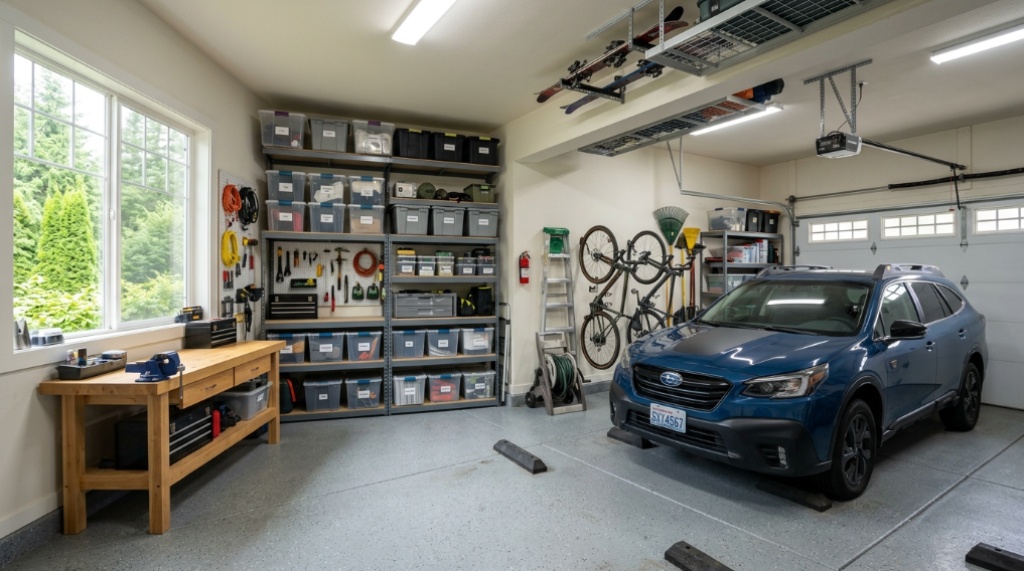
Start with the garage before touching the vehicle. Cleaning a car while dust and debris remain on the garage floor guarantees recontamination within days.
Work in the Right Order
- Clear the floor of large items, boxes, and tools so you can see the full scope of debris.
- Sweep or blow out loose leaves, dirt, and grit from corners and along walls.
- Vacuum fine dust from shelving, workbenches, and floor edges where a broom misses.
- Wipe down surfaces with a damp cloth to capture remaining dust instead of spreading it.
- Clean floor spills or oil stains last, after dry debris is fully removed.
That order matters because vacuuming before sweeping clogs filters with large debris, and wiping before vacuuming just smears dust around.
Match the Vacuum to the Debris
A full-size shop vacuum with a wide hose handles bulk debris like sawdust, gravel, and yard waste. A compact portable wet-dry vacuum shines in narrower spaces—under shelving, inside cabinet gaps, and around the base of water heaters or appliances. Trying to use one vacuum for everything usually means either clogging a small unit or dragging a heavy one into tight spots where it doesn’t fit.
Vehicle Cleanup Best Practices
Vehicle interiors in Washington collect a specific mix of damp grit, dried mud, and organic debris that can stain carpets if left too long. Cleaning regularly, rather than waiting for a full detail, keeps the problem manageable.
Step-by-Step Interior Routine
- Remove floor mats and shake or vacuum them separately, outside the vehicle.
- Vacuum seats, crevices, and the trunk before wiping down hard surfaces.
- Use a crevice tool attachment for seat rails, console gaps, and door pockets.
- Wipe plastic and vinyl surfaces after vacuuming, not before, so dust doesn’t get pushed into fabric.
- Check the trunk and cargo area last—this is often where wet gear, boots, or pet supplies leave the worst residue.
For wet debris like melted snow or spilled drinks, a wet-dry capable vacuum is essential. Standard household vacuums risk internal damage when used on liquids, which is one of the main reasons compact wet-dry models are popular for vehicle work.
What Compact Utility Vacs Handle Well—And What They Don’t
Compact wet-dry vacuums are genuinely useful for car interiors, small spills, and tight garage corners. They typically struggle with large volumes of debris, long continuous run times, and heavy material like wet leaves or gravel. Knowing these limits upfront prevents frustration. If your garage regularly accumulates bags of yard waste or construction debris, a full-size shop vacuum remains the better primary tool, with a compact unit as a secondary option for the vehicle.
Choosing Between Vacuum Types
The decision usually comes down to how much debris you handle and where it accumulates. The table below outlines the practical trade-offs.
| Factor | Compact Portable Wet-Dry Vac | Full-Size Shop Vacuum |
|---|---|---|
| Best use case | Vehicle interiors, small spills, tight spaces | Bulk garage debris, large spills, heavy material |
| Portability | High—easy to carry and store | Lower—bulkier, often needs wheels |
| Capacity | Small, requires frequent emptying | Large, handles extended jobs |
| Suction for fine dust | Adequate with proper filter | Stronger, especially with HEPA filtration |
| Wet pickup | Yes, for small volumes | Yes, for larger volumes |
| Storage footprint | Minimal | Significant |
For most Washington households, owning both isn’t necessary. If vehicles are the main concern, a compact wet-dry unit covers most needs. If the garage doubles as a workshop or storage for yard equipment, a full-size vacuum earns its space.
Common Mistakes to Avoid
- Vacuuming wet and dry debris without switching filters. Most wet-dry vacuums require removing or changing the filter for wet pickup. Skipping this step can damage the motor or clog the unit.
- Cleaning the car before the garage. Dust from an uncleaned garage settles back into the vehicle within hours.
- Ignoring the filter until suction drops. Fine dust clogs filters quickly, and reduced suction is usually a filter problem, not a motor problem.
- Using a household vacuum on car interiors. Most aren’t built for grit, moisture, or the volume of debris vehicles collect.
- Waiting until spring to clean winter mess. Damp debris left for months can stain carpets and promote mildew in Washington’s humid conditions.
Seasonal Maintenance Schedule
A simple twice-a-year schedule prevents most major cleanup projects. In late fall, focus on removing wet leaves, mud, and damp debris before winter rains set in. In late spring, tackle the accumulated dry dust and pollen that builds up as conditions dry out. Between those two deep cleans, a quick monthly vacuum of vehicle floors and mats keeps things from getting out of hand.
Garages in Washington also benefit from occasional moisture checks. Dampness encourages mildew on stored items and cardboard, which then spreads to vehicle interiors if not addressed.
Frequently Asked Questions
Can a compact wet-dry vacuum replace a full-size shop vacuum?
For vehicle interiors and small garage spills, yes. For large volumes of debris like sawdust, gravel, or yard waste, no. Most households with both a car and an active garage benefit from having a compact unit for detail work and a full-size vacuum for heavy jobs.
How often should I vacuum my car in Washington?
Monthly vacuuming during wet months and every six to eight weeks during dry months keeps interiors manageable. A deeper clean in late fall and late spring addresses seasonal buildup.
What’s the biggest mistake people make when cleaning garages?
Cleaning the vehicle before the garage. Dust and debris from the garage floor resettle into a freshly cleaned car quickly, undoing the work.
Do I need a special filter for wet pickup?
Most wet-dry vacuums require removing the standard dry filter or switching to a wet-specific filter before picking up liquids. Check your unit’s manual, since using the wrong filter setup can damage the motor.
Is it worth cleaning the garage before winter?
Yes. Removing organic debris and damp material before the rainy season prevents mildew, pest activity, and staining that becomes harder to fix once winter sets in.
Can I use the same vacuum for car interiors and garage floors?
You can, but it’s worth cleaning the hose and attachments between uses. Garage floors carry grit and residue that you don’t want transferred onto car seats or carpets.
Conclusion
Effective garage and vehicle cleanup in Washington comes down to timing, tool choice, and order of operations. Clean the garage first, match the vacuum to the debris type, and stick to a seasonal routine rather than waiting for messes to pile up. A compact wet-dry vacuum handles vehicles and tight spaces well, while a full-size shop vacuum remains the right tool for heavy garage work. Get the sequence right, and cleanup becomes a manageable habit instead of an overwhelming weekend project.
