

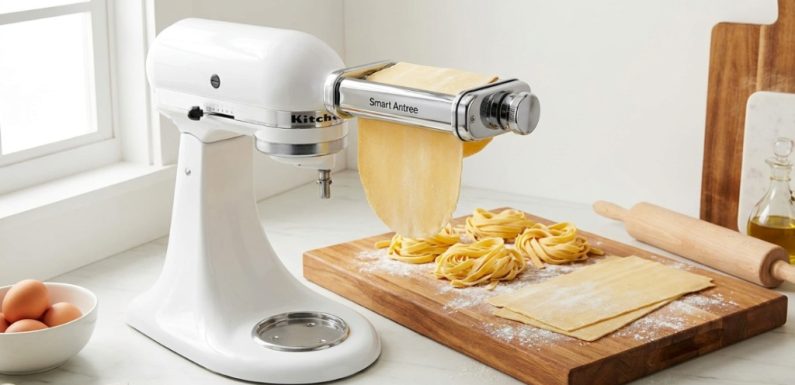
Making fresh pasta at home is one of the most rewarding kitchen projects, but hand-cranking dough through a manual machine can quickly turn a fun weekend activity into a tedious chore. If you own a stand mixer, you already have the motor—you just need the right attachment to transform it into a complete pasta production line. The challenge is that not all pasta attachments are created equal, and finding the right one for your specific mixer model takes a bit of research. This guide walks you through exactly what to look for in a smart antree pasta maker attachment, how to evaluate quality, and what mistakes to avoid so you can make fresh pasta confidently without wasting money on the wrong accessory.
Key Takeaways
- Compatibility with your specific stand mixer model is the single most important factor when choosing a pasta attachment—always verify the model number before purchasing.
- A 3-in-1 attachment set (lasagna, fettuccine, and spaghetti) offers the best value for home cooks who want versatility without buying separate accessories.
- Build quality matters more than brand name; look for solid stainless steel construction and durable gears rather than plastic components that wear out quickly.
- Cleanup and storage are often overlooked but significantly impact how often you actually use the attachment—consider how easy it is to clean and where you will store it.
What Is a Smart Antree Pasta Attachment and Why Does It Matter?
A pasta attachment for a stand mixer replaces the manual crank mechanism of traditional pasta rollers. Instead of rolling dough by hand, the mixer’s motor powers the rollers and cutters, giving you consistent thickness and uniform noodles with minimal effort. The “smart” aspect refers to attachments that are thoughtfully engineered—with features like adjustable thickness settings, multiple cutting discs, and seamless integration with popular mixer brands.
For home chefs, this matters because fresh pasta is genuinely better than dried pasta. It cooks faster, has a more delicate texture, and absorbs sauces differently. But the barrier to entry has always been the physical effort involved. A quality attachment removes that barrier, making fresh pasta a realistic weeknight option rather than a special-occasion project.
The Antree 3-in-1 set has gained attention because it consolidates three functions into one unit: a smooth roller for lasagna sheets and stuffed pasta, a fettuccine cutter, and a spaghetti cutter. This eliminates the need to buy separate attachments for each noodle shape, which saves both money and kitchen storage space. If you are considering this type of setup, you can find a detailed breakdown of the smart antree pasta maker attachment and how it performs in real kitchen conditions.
How to Determine Compatibility with Your Stand Mixer
Before you even think about features or price, you must confirm that the attachment fits your mixer. This is where many home cooks make their first mistake. Pasta attachments are not universal—they are designed to fit specific mixer brands and sometimes specific model lines within a brand.
Check the Hub Connection
Most stand mixers use a power hub on the front of the machine where attachments connect. KitchenAid uses a standard hub design that has become the industry benchmark, and many third-party manufacturers design their attachments to fit this hub. However, the fit is not always perfect across all KitchenAid models. Some newer models have slightly different hub dimensions, and tilt-head versus bowl-lift designs can affect how the attachment sits.
Verify Model Compatibility
If you own a KitchenAid, check whether the attachment explicitly lists your mixer’s model number or series. If you own a different brand—like Bosch, Kenwood, or Cuisinart—your options are more limited, and you should look for attachments specifically designed for that brand rather than assuming a KitchenAid-compatible attachment will work.
A practical tip: measure the hub opening and compare it to the attachment’s specifications if the manufacturer provides them. If they do not provide dimensions, look for customer photos or videos showing the attachment mounted on a mixer similar to yours. This is one situation where user-generated content is often more reliable than marketing descriptions.
Key Features to Evaluate Before Buying
Once you have confirmed compatibility, the next step is evaluating the attachment’s construction and features. These factors determine how well it performs and how long it lasts.
Material Quality
The best pasta attachments use stainless steel for the rollers and cutters. Stainless steel is non-reactive, easy to clean, and resistant to corrosion from dough moisture. Some budget attachments use chrome-plated steel or even plastic components. Chrome plating can chip over time, and plastic gears are a common failure point. If you plan to use the attachment regularly, invest in a model with solid metal construction throughout.
Thickness Adjustment Mechanism
Look for an attachment with multiple thickness settings—typically six to eight levels. The adjustment knob should click or lock into place at each setting so you can consistently reproduce the same thickness. A smooth, precise adjustment mechanism is a sign of good engineering. If the knob feels loose or imprecise in the store, it will likely get worse with use.
Cutting Discs
A 3-in-1 set typically includes a lasagna roller, a fettuccine cutter, and a spaghetti cutter. Consider which shapes you will actually use. If you primarily make spaghetti and fettuccine, a 3-in-1 set is ideal. If you want additional shapes like angel hair or pappardelle, you will need to buy separate cutting attachments, so factor that into your total cost.
Ease of Cleaning
Pasta attachments cannot go in the dishwasher—the water and detergent will damage the metal and dull the cutting edges. You must brush off excess dough and wipe the rollers clean after each use. Attachments with fewer crevices and removable parts are easier to maintain. Some models come with a cleaning brush, which is a small but useful inclusion, For more kitchen efficiency tips after your cooking session, check out our guide on how to clean dishes in small spaces
Comparing the Antree 3-in-1 Set to Other Options
To make an informed decision, it helps to see how the Antree 3-in-1 set stacks up against other common options in the market.
| Feature | Antree 3-in-1 Set | Brand-Name Single Attachments | Budget Manual Rollers |
|---|---|---|---|
| Number of functions | 3 (lasagna, fettuccine, spaghetti) | 1 per attachment | 1 (manual) |
| Power source | Stand mixer motor | Stand mixer motor | Hand crank |
| Typical material | Stainless steel | Stainless steel | Chrome-plated steel |
| Price range | Mid-range | High (per attachment) | Low |
| Storage footprint | Single unit | Multiple units | Single unit |
| Effort required | Minimal | Minimal | High |
| Best for | Home cooks who want variety | Enthusiasts who need specific shapes | Occasional use on a budget |
The main trade-off with a 3-in-1 set is that you are limited to the three included shapes. If you later decide you want tagliatelle or angel hair, you will need to purchase additional attachments. However, for most home cooks, lasagna, fettuccine, and spaghetti cover the vast majority of pasta dishes they will actually make.
Common Mistakes to Avoid When Buying a Pasta Attachment
Even experienced home cooks make avoidable errors when purchasing pasta attachments. Here are the most common pitfalls and how to sidestep them.
Ignoring the Dough Recipe
Many people buy a pasta attachment and then struggle because their dough is too wet or too dry. The attachment is not the problem—the dough is. Pasta dough for machine rolling should be firmer than hand-rolled dough. If the dough sticks to the rollers, it is too wet. If it crumbles, it is too dry. Learn to adjust your hydration before blaming the equipment.
Buying Without Checking Return Policy
Even with careful research, an attachment may not work perfectly with your mixer. Before purchasing, check the seller’s return policy. Some third-party attachments have restocking fees or require you to pay return shipping. A generous return policy gives you peace of mind and lets you test the attachment in your own kitchen.
Overlooking the Cleaning Routine
Pasta attachments require immediate cleaning after use. If you let dough dry on the rollers, it becomes very difficult to remove. Make cleaning part of your cooking routine, not an afterthought. Keep a stiff brush near your mixer so you can clean the attachment before sitting down to eat.
How to Get the Best Results with Your Pasta Attachment
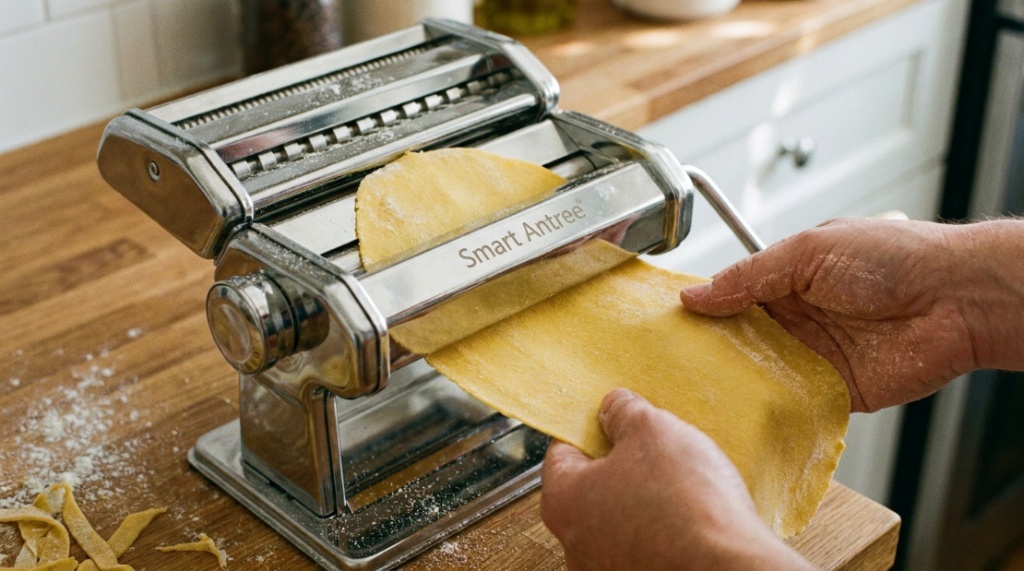
Once you have the right attachment, a few techniques will dramatically improve your results.
Start with the Right Dough
Use a recipe specifically designed for machine-rolled pasta. A basic ratio of one large egg per 100 grams of flour is a good starting point. Add a splash of olive oil and a pinch of salt. Knead the dough until it is smooth and elastic, then let it rest for at least 30 minutes before rolling. Resting allows the gluten to relax, which makes the dough easier to roll and less likely to shrink back.
Roll in Stages
Do not try to roll the dough to its thinnest setting in one pass. Start at the widest setting, fold the dough in thirds, and roll it through again. Repeat this process several times—this develops the gluten and creates a smooth, even sheet. Then gradually decrease the thickness setting one step at a time until you reach your desired thickness.
Use Plenty of Flour
Dust the dough and the rollers lightly with flour before each pass. This prevents sticking and keeps the dough from tearing. Use semolina flour or all-purpose flour for dusting—rice flour also works well and does not add flavor.
Cut and Cook Immediately
Fresh pasta cooks much faster than dried pasta—usually 1 to 3 minutes depending on thickness. Have your sauce ready before you cook the pasta. If you need to store the pasta, let it dry on a floured surface for 30 to 60 minutes before refrigerating or freezing.
Frequently Asked Questions
Can I use a pasta attachment with any stand mixer?
No. Pasta attachments are designed to fit specific mixer brands and models. Most third-party attachments are compatible with KitchenAid mixers, but you should verify compatibility with your specific model before purchasing. Other mixer brands may require brand-specific attachments.
How do I clean a pasta maker attachment?
Use a stiff brush to remove dough residue immediately after use. Wipe the rollers and cutters with a dry cloth. Never submerge the attachment in water or put it in the dishwasher, as this can damage the metal and dull the cutting edges.
What is the difference between a 3-in-1 attachment and separate attachments?
A 3-in-1 attachment combines a lasagna roller, fettuccine cutter, and spaghetti cutter into one unit. Separate attachments require you to purchase each cutter individually, which costs more and takes up more storage space. The trade-off is that separate attachments may offer additional shapes not available in a 3-in-1 set.
Why does my pasta dough keep sticking to the rollers?
Your dough is likely too wet. Add more flour to the dough and dust the rollers with flour before each pass. The dough should feel smooth and slightly tacky but not sticky. If the dough tears, it may be too dry—add a few drops of water and knead again.
How thin should I roll pasta for different dishes?
Lasagna sheets should be rolled to a medium thickness (setting 4 or 5 on most machines). Fettuccine and spaghetti are typically rolled thinner (setting 6 or 7). Stuffed pasta like ravioli works best with slightly thicker sheets (setting 5) so they hold up to filling and cooking.
Conclusion
Finding the right pasta attachment for your stand mixer comes down to three things: compatibility, build quality, and matching the attachment to the dishes you actually cook. Verify that the attachment fits your mixer model, choose one with solid stainless steel construction, and decide whether a 3-in-1 set covers your needs or whether you need additional cutting discs. Avoid the common mistakes of skipping the return policy check and neglecting the cleaning routine. With the right attachment and a reliable dough recipe, fresh pasta becomes a simple, enjoyable part of your home cooking repertoire rather than a project you only attempt on special occasions.
