

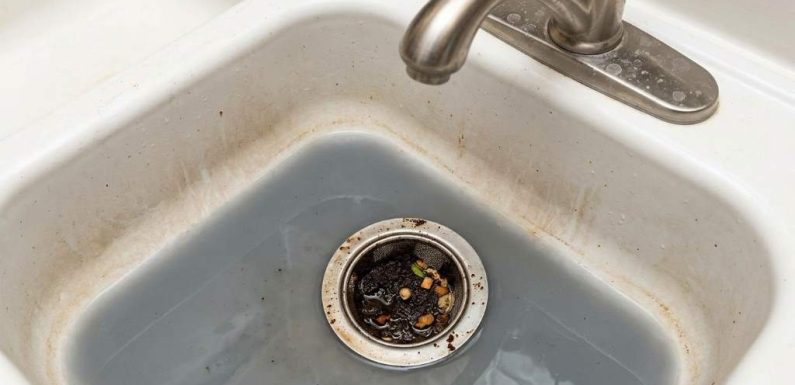
Unpleasant sink odors can quickly make any kitchen or bathroom feel less inviting. According to the Environmental Protection Agency, indoor air quality directly affects everyday comfort, while plumbing issues remain among the most common household maintenance concerns. Fortunately, simple maintenance often solves stubborn drain smells before they become expensive repairs. Understanding the best drain pipe material for kitchen projects also supports better long term plumbing performance and cleaner drains.
Understand Why Sink Odors Develop
Bad smells usually come from food particles, grease, soap residue, or bacteria trapped inside drain pipes. Warm temperatures and high humidity often speed bacterial growth inside plumbing systems.
Regular cleaning prevents buildup before odors become overwhelming. You can also improve fixture hygiene by learning clean a sink faucet alongside routine drain maintenance.
Sometimes the smell originates from a dry trap beneath an unused sink. In other situations, clogged vent pipes prevent sewer gases from escaping correctly.
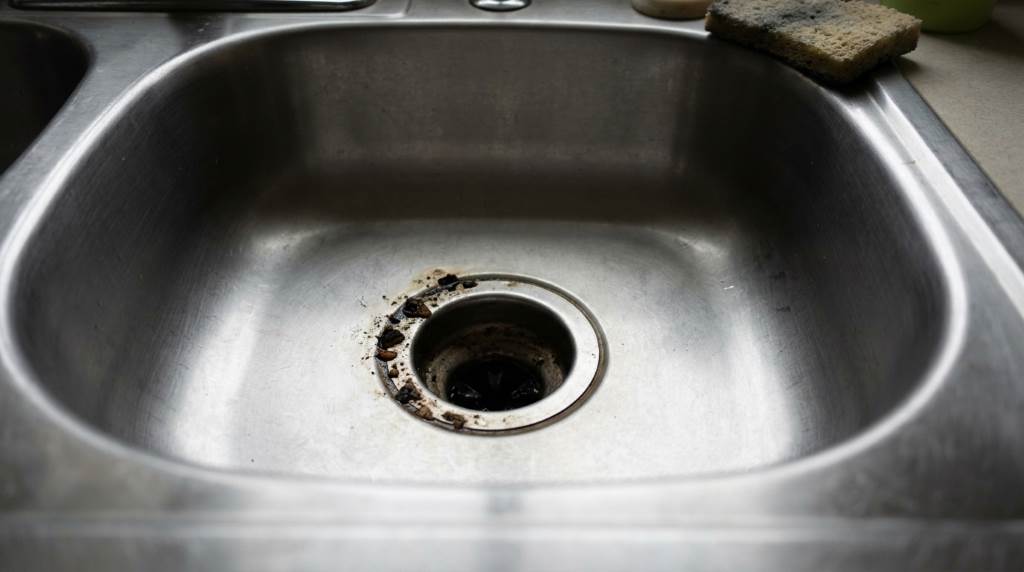
Identify the Source Before Treating the Smell
Finding the exact source helps you select the most effective solution. Otherwise, temporary fixes may only mask unpleasant odors instead of removing them.
Kitchen Sink Problems
Kitchen sinks collect grease, cooking oils, coffee grounds, and food scraps every day. Consequently, organic matter decomposes inside pipes and produces unpleasant smells.
- Grease buildup
- Food debris
- Soap residue
- Garbage disposal waste
- Standing water
Bathroom Sink Problems
Bathroom drains usually collect toothpaste, soap scum, hair, and skincare products. Therefore, bacteria grow inside the moist environment and create lingering odors.
- Hair buildup
- Soap deposits
- Cosmetic residue
- Dry P traps
- Slow draining water
Clean the Drain Naturally First
Natural cleaning methods remove many odor causing materials without harsh chemicals. Moreover, they help preserve plumbing components during regular maintenance.
Pour hot water slowly into the drain to loosen grease and soap deposits. Next, add baking soda followed by white vinegar for a gentle cleaning reaction.
Allow the mixture to sit for fifteen minutes before flushing with additional hot water. If water drains slowly afterward, follow this guide to unclog a sink drain safely.
Keep Garbage Disposals Fresh
Garbage disposals trap tiny food particles around blades and splash guards. As a result, bacteria multiply and create strong odors over time.
Run cold water before and after using the disposal every time. Additionally, grind small ice cubes with citrus peels to freshen internal components.
Avoid placing grease, pasta, rice, eggshells, or fibrous vegetables into the disposal. These materials commonly create clogs and unpleasant smells.
Prevent Grease Buildup Inside Pipes
Grease appears liquid when warm but hardens quickly inside drain pipes. Consequently, sticky surfaces trap food particles and encourage bacterial growth.
Instead, collect cooking grease inside a disposable container before throwing it away. Wipe greasy cookware with paper towels before washing whenever possible.
- Never pour cooking oil into drains.
- Use sink strainers every day.
- Clean strainers after each meal.
- Flush drains weekly with hot water.
Maintain Healthy Sink Traps
The P trap holds water that blocks sewer gases from entering indoor spaces. Therefore, maintaining water inside the trap remains very important.
If a guest bathroom stays unused for several weeks, run water briefly every few days. This simple habit keeps the protective water seal intact.
Inspect exposed plumbing occasionally for leaks around the trap connections. Even small leaks may reduce water levels and allow unpleasant odors indoors.
Improve Drain Vent Performance
Drain vents balance plumbing air pressure while directing sewer gases outdoors. Blocked vents may cause bubbling drains and recurring unpleasant smells.
Leaves, nests, and outdoor debris sometimes obstruct roof vent openings. Professional inspections safely identify hidden vent blockages when symptoms continue.
Persistent sewer odors despite clean drains often indicate ventilation issues. Early repairs prevent larger plumbing problems and improve indoor comfort.
Build a Weekly Sink Maintenance Routine
Consistent maintenance keeps drains cleaner than occasional deep cleaning sessions. Furthermore, simple routines require only a few minutes every week.
- Flush hot water every weekend.
- Clean sink strainers daily.
- Rinse garbage disposals thoroughly.
- Check for slow drainage monthly.
- Inspect visible plumbing connections regularly.
Routine inspections also reveal minor plumbing problems before costly repairs become necessary. Small preventive actions usually produce long lasting results.
Know When Professional Help Is Necessary
Some plumbing problems extend beyond ordinary household maintenance. Accordingly, experienced plumbers use specialized equipment to diagnose hidden issues accurately.
Repeated odors after thorough cleaning may indicate damaged sewer lines or blocked vents. Persistent backups also deserve immediate professional attention.
Water stains, mold growth, or leaking pipes require prompt repairs to prevent structural damage. Fast action protects both indoor air quality and plumbing systems.
Conclusion
Keeping sinks odor free requires consistent cleaning, smart habits, and timely inspections. Regular maintenance prevents bacteria, grease, and debris from creating unpleasant smells inside drains.
Start using these practical tips today to enjoy cleaner sinks and fresher indoor spaces every season. When odors refuse to disappear, contact a qualified plumbing professional before the problem worsens.
Frequently Asked Questions
Why does my sink smell even after cleaning?
Hidden drain buildup, blocked vents, or a dry P trap commonly cause lingering odors.
Can baking soda and vinegar remove sink odors?
Yes, they safely remove light buildup and neutralize many common drain odors.
How often should I clean my sink drain?
Cleaning the drain once each week helps prevent odor causing buildup.
Should I pour boiling water into every drain?
Very hot water works for many metal pipes but may not suit some plastic plumbing systems.
When should I call a plumber for sink odors?
Call a plumber if odors continue after cleaning or sewage smells repeatedly return.
