

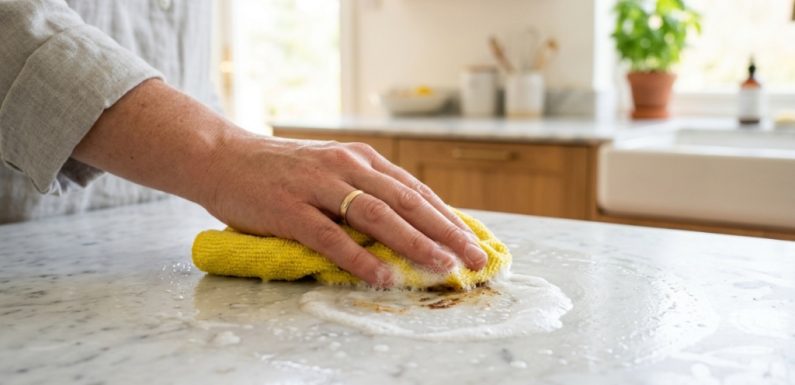
You finally finished cooking a big family meal, but now you’re staring at a dreaded red wine ring or a stubborn turmeric blotch on your beautiful countertop. It feels like the stain has set in forever, and you’re already dreading the scrubbing session that might ruin your surface. This is a universal kitchen problem, and the good news is that you don’t need harsh chemicals or a contractor. With the right technique and a few common household items, you can remove kitchen counter stains quickly without damaging your countertops. This guide walks you through the exact steps for every common countertop material, using methods that actually work.
What Causes the Most Stubborn Kitchen Counter Stains?
Common Culprits in Your Kitchen
Understanding your enemy is the first step to defeating it. The most persistent stains usually come from pigmented liquids and acidic foods. Coffee, tea, red wine, and berry juices are notorious for leaving behind deep, colorful marks. Spices like turmeric, paprika, and curry powder contain strong natural dyes that can penetrate porous surfaces in seconds. Even seemingly harmless items like lemon juice and vinegar can etch and discolor natural stone if left sitting too long.
Why Some Stains Seem Impossible to Remove
The primary reason a stain sets in is that the liquid seeps into the microscopic pores of the countertop material. On unsealed granite, marble, or quartz, these pores act like tiny sponges. The longer the spill sits, the deeper the liquid travels, making it exponentially harder to lift out. Heat can also “bake” a stain into the surface, especially if you place a hot pan directly on the counter. The stain becomes fixed, requiring a more targeted approach than simple wiping.
How Do You Remove Stains from Porous Natural Stone?
First Actions for Granite and Marble Spills
Time is your worst enemy with natural stone. The very first step is to blot—never rub—the spill with a clean, dry cloth. Rubbing spreads the liquid deeper into the stone. Mix a few drops of mild dish soap with warm water and gently clean the area. For most fresh spills, this simple paste is enough to lift the stain. The key is to use a soft cloth or sponge to avoid scratching the polished surface.
Making a Baking Soda Poultice for Deep Set-In Stains
When a stain has already dried and set, a poultice is your most effective tool. This technique draws the stain out of the pores without harsh scrubbing. Mix baking soda with water to form a thick paste, about the consistency of peanut butter. Apply a generous layer directly over the stain, extending about half an inch beyond its edges. Cover the poultice with plastic wrap and tape down the edges to slow evaporation. Leave it for 24 to 48 hours. The poultice will slowly pull the stain out of the stone as it dries.
Using Hydrogen Peroxide for Stubborn Organic Stains
For organic stains like coffee or tea on light-colored stone, hydrogen peroxide works better than water in the poultice. Instead of mixing baking soda with water, use 3% hydrogen peroxide to create the paste. This creates a gentle bleaching effect that lifts the color without damaging the stone. Follow the same plastic wrap covering method. After 24 hours, remove the dried poultice and wipe the area with a damp cloth. You will often see a significant lightening of the stain after a single application.
Can You Remove Stains from Quartz and Engineered Stone?
Why Quartz Is Different from Natural Stone
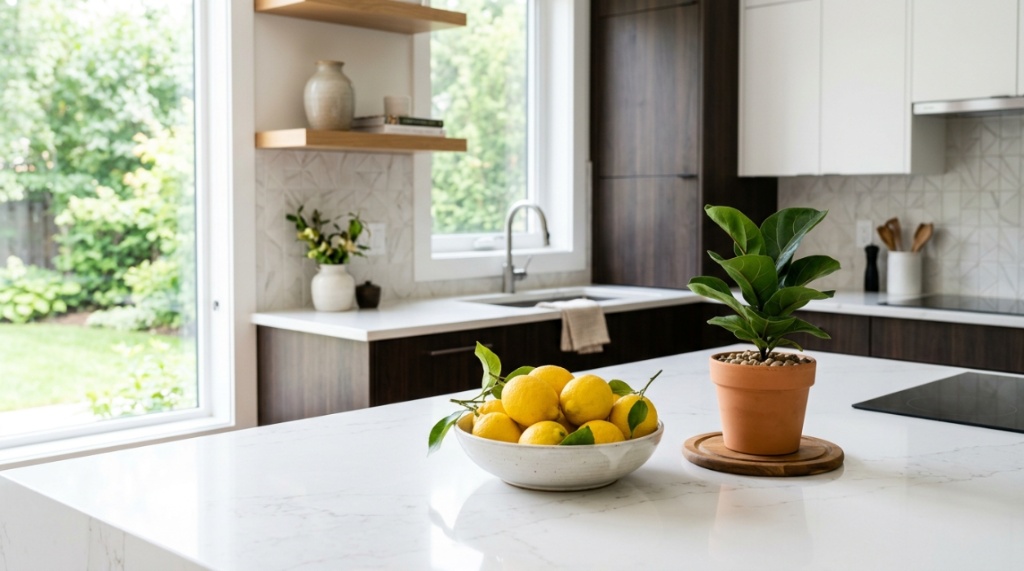
Engineered quartz is non-porous, which means it resists staining much better than granite or marble. However, this doesn’t make it invincible. Harsh chemicals and abrasive cleaners can damage the resin binders that hold the quartz together. Strong solvents like acetone or bleach can permanently etch the surface, leaving a dull, cloudy spot. Always start with the gentlest cleaner possible.
Gentle Cleaning Methods That Work on Quartz
For most food stains on quartz, a simple mixture of rubbing alcohol and water works wonders. Combine one part isopropyl alcohol with three parts water in a spray bottle. Spray the stained area and let it sit for 30 seconds. Wipe it away with a soft microfiber cloth. The alcohol breaks down the residue without harming the surface. For tougher stains like dried glue or permanent marker, use a plastic scraper or a soft nylon scrub pad. Never use steel wool, as it will leave micro-scratches that trap future dirt.
When to Avoid Vinegar and Lemon on Quartz
It is a common misconception that natural acids are safe for all countertops. Vinegar and lemon juice have a low pH that can gradually break down the resin in quartz. Over time, this causes the surface to lose its shine and become dull. If you accidentally spill something acidic, clean it up immediately with water and mild soap. For routine cleaning, stick to a pH-neutral cleaner specifically designed for quartz.
Which Homemade Cleaners Are Safe for Laminate Counters?
Dish Soap and Baking Soda for Everyday Spills
Laminate is durable but vulnerable to moisture seeping into the seams. The safest and most effective homemade cleaner is a small amount of dish soap dissolved in warm water. For stubborn food stains, make a paste of baking soda and water. Apply it to the stain and let it sit for five minutes. Gently scrub with a soft sponge. Baking soda acts as a mild abrasive that lifts stains without scratching the glossy laminate surface, While you are deep-cleaning your surfaces to refresh your space, it’s a great time to rethink your layout. Don’t let common misconceptions hold your kitchen back—discover the truth behind five kitchen cabinet design myths to maximize your storage and style.
The Magic Eraser Hack for Laminate Stains
Melamine foam sponges, commonly sold as magic erasers, are surprisingly effective on laminate countertops. They work by using microscopic abrasion to lift stains from the top layer of the surface. Lightly dampen the sponge and gently rub the stain in a circular motion. This works exceptionally well for water rings, scuff marks, and dried food residue. Use the eraser sparingly, as overuse can dull the finish on high-gloss laminates.
How to Remove Specific Stain Types Instantly
Red Wine Stains on Any Countertop Material
Red wine is aggressive, but time is still on your side. Immediately after the spill, pour a generous amount of salt directly onto the wet wine. The salt will absorb the liquid and prevent it from penetrating the pores. Let the salt sit for a few minutes until it turns pink, then sweep it away. If a faint ring remains, apply a hydrogen peroxide poultice as described for stone. For laminate or quartz, a dab of rubbing alcohol on a cloth should lift the remaining pigment.
Turmeric and Curry Powder Stains
Turmeric is one of the toughest stains because it is a natural dye that bonds quickly with surfaces. Do not use water first, as water can spread the pigment. Instead, sprinkle baking soda over the stain and add a few drops of white vinegar. The fizzing action helps lift the turmeric particles. Wipe the paste away and then clean with soapy water. For stubborn turmeric on marble or granite, a poultice made with hydrogen peroxide is usually required.
Oil and Grease Stains on Granite
Oil-based stains create a dark, greasy spot that looks different from water-based stains. They are particularly common near stovetops. The best remedy is a poultice made with baking soda and a degreasing liquid, such as dish soap or even a small amount of mineral spirits. Apply the poultice and cover it with plastic wrap. Let it sit for 24 to 48 hours. The poultice will absorb the oil out of the stone. You may need a second application for very old, deep grease stains.
How Do You Clean Stainless Steel Countertops Without Streaks?
Using Vinegar and Water for Fingerprints and Grease
Stainless steel does not absorb stains like stone, but it shows every fingerprint and grease smudge. The best streak-free cleaner is a simple 50/50 mix of white vinegar and water in a spray bottle. Spray the surface and wipe with a microfiber cloth in the direction of the grain. This removes grease and disinfects the surface without leaving behind a chemical residue. Avoid paper towels, as they can leave lint and small scratches.
The Importance of Following the Grain
Most stainless steel has a visible directional grain. Cleaning against this grain creates a messy, uneven appearance. Always wipe horizontally or vertically along the grain. This ensures that light reflects uniformly off the surface, making it look professionally polished. A small drop of baby oil on a cloth, rubbed gently along the grain, can restore shine and protect against future fingerprints.
Why Does My Butcher Block Counter Keep Staining?
Oil as a Protective Barrier Against Stains
Butcher block is wood, and wood is a natural sponge. Stains happen because food particles and liquids seep into the raw wood fibers. The most effective prevention is a generous application of food-safe mineral oil or a specialized butcher block conditioner. The oil saturates the wood cells, preventing moisture and pigment from penetrating. You should oil your butcher block at least once a month, or whenever it looks dry.
Using Baking Soda and Water on Absorbed Stains
If a stain has already set into your butcher block, mix a paste of baking soda and water and apply it directly to the stain. Let it sit for 15 minutes, then scrub gently with a soft brush. After scrubbing, wipe the area clean and apply a fresh layer of mineral oil. The oil will help even out the color and protect the wood from future absorption. For very stubborn stains, sanding the area with fine-grit sandpaper (220-grit) can remove the top layer of wood where the stain is held.
What Should You Absolutely Never Use on Your Countertops?
Avoid Abrasive Scrubbers and Steel Wool
Steel wool may seem like an easy way to scrub off a tough stain, but it is destructive to nearly every countertop material. On granite and quartz, it leaves micro-scratches that dull the finish and create hiding places for bacteria. On laminate, it can permanently remove the printed pattern. On stainless steel, it ruins the grain. Always use a nylon scrub pad, a soft sponge, or a plastic scraper for tough jobs.
Steer Clear of Bleach and Harsh Acids
Bleach is excellent for disinfecting, but it is terrible for countertops. It can discolor natural stone, cause quartz to yellow, and break down the laminate surface. Similarly, strong acids like undiluted lemon juice or toilet bowl cleaner can etch and dull stone surfaces instantly. For a strong, effective clean that won’t damage your investment, stick to the mild cleaning methods recommended above, or consult a professional-grade cleaner designed for your specific material.
How to Prevent Future Stains with Regular Maintenance
Sealing Natural Stone Countertops Twice a Year
Sealing is the single most effective way to prevent stains on porous stone like granite and marble. A high-quality sealer fills the microscopic pores, creating a barrier that repels liquids. A simple water test will tell you if your stone needs sealing: sprinkle a few drops of water on the surface. If the water beads up, the seal is good. If the water absorbs and darkens the stone, it is time to apply a new coat of sealer. Most stone should be sealed every six to twelve months.
Simple Daily Habits for Stain Prevention
Prevention is faster than removal. Develop a few simple habits: always use cutting boards and trivets for hot pans. Wipe up spills immediately, especially acidic substances like wine, coffee, and citrus juice. Use coasters for glasses to prevent water rings. For your daily quick-clean, a simple spray of mild dish soap and water is all you need. These small actions will dramatically reduce the frequency of tough stains and keep your countertops looking new. For the best results after cleaning, invest in a specialized cleaner designed to remove kitchen counter stains safely and effectively.
Frequently Asked Questions
Can I use bleach to remove stains from my white quartz countertops?
No, you should avoid bleach on quartz. Bleach can cause the resin binders to yellow or break down, leading to permanent discoloration. Stick to a pH-neutral cleaner or a mixture of rubbing alcohol and water for white quartz stains.
How long should I leave a baking soda poultice on a granite stain?
For best results, leave the baking soda poultice on the stain for 24 to 48 hours. Cover it with plastic wrap to keep it moist. After removing it, wipe the area clean and rinse with water. Repeat the process if the stain is not completely gone.
Will vinegar damage my granite countertops?
Yes, prolonged exposure to vinegar can etch and dull granite. While a quick wipe with a diluted vinegar solution may not cause immediate damage, it is safer to use a pH-neutral cleaner or a dedicated granite cleaner to avoid long-term harm to the sealant and polish.
What is the best way to remove a water ring from a wood butcher block?
Mix baking soda with water to form a paste and apply it to the water ring. Gently rub with a soft cloth. Wipe away the paste and apply a fresh coat of mineral oil. The oil will help blend the area and protect the wood.
How do I get rid of sticky residue from stickers on laminate counters?
Apply a small amount of cooking oil or rubbing alcohol to a cloth and rub the sticky residue. The oil breaks down the adhesive without damaging the laminate. Wipe the area clean with soapy water afterward.
Is it safe to use magic erasers on all countertop types?
No, magic erasers are abrasive and should not be used on polished stone, quartz, or stainless steel. They can dull the finish. They are safe to use sparingly on laminate and sealed butcher block for stubborn marks.
Why does my countertop stain even though I clean it right away?
If stains appear after quick cleaning, your countertop likely needs to be resealed. Porous materials like granite have microscopic cracks that hold pigment. A fresh coat of sealer will fill these gaps and prevent stains from setting in.
