

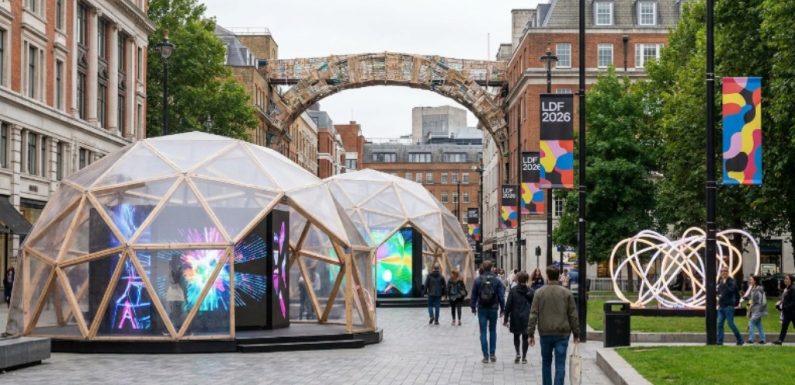
Nine Days That Transform an Entire City
Imagine an entire city turning into one giant, breathing gallery of ideas. That is exactly what London does every September, and 2026 is shaping up to be the most ambitious edition yet. The London Design Festival 2026 runs from 12 to 20 September across dozens of iconic venues, welcoming over one million visitors from around the world into a living, evolving conversation about how design shapes our daily lives. Since its founding in 2003 by Ben Evans CBE and Sir John Sorrell, the festival has grown into a globally recognised cultural event that draws more than 2,000 participants from over 75 countries.
Moreover, as festival director Ben Evans has noted, design is not simply about aesthetics; it is a fundamental driver of innovation, economic growth, and societal progress. This year, that statement feels more urgent and more exciting than ever.
What Is the London Design Festival and Why Does It Matter?
At its core, the London Design Festival (LDF) is an annual celebration that positions London as the design capital of the world. Organised by IDEA Operations Ltd, the festival takes place every September and spans multiple disciplines, including architecture, product design, fashion, technology, sustainability, and the arts. Unlike a traditional trade fair confined to a single exhibition hall, LDF is a citywide event that transforms streets, museums, heritage buildings, and open public spaces into creative destinations.
The festival holds enormous cultural and economic significance for the United Kingdom. It showcases British design excellence to a global audience, connects local businesses with international buyers, and reinforces London’s standing on the world stage. Furthermore, it bridges the gap between professional designers and everyday members of the public, making high-level creative thinking accessible to anyone willing to explore the city. The 24th edition in 2026 builds on this legacy by expanding partnerships, championing emerging voices, and putting a sharper focus on sustainable design thinking.
London Design Festival 2026: Key Dates, Venues, and Formats
The 24th edition of the London Design Festival takes place from 12 to 20 September 2026, spanning nine full days of programming across London. The Victoria and Albert Museum in South Kensington serves as the central hub, partnering with major institutions including the Design Museum and the Southbank Centre to anchor the festival’s most high-profile events. Beyond these flagship venues, the festival spreads across more than ten dedicated design districts, each offering its own distinct character and programme.
What Types of Events Can You Expect?
The LDF 2026 programme is remarkably broad. Whether you are a seasoned design professional or simply someone who enjoys exploring creative ideas, there is something genuinely worth your time. Events typically include:
- Large-scale public installations commissioned from internationally renowned designers, placed in major public spaces like Trafalgar Square and the Southbank Centre
- Product launches and open showrooms where brands debut collections directly to trade buyers and the public
- Exhibitions and gallery shows at both established museums and independent creative spaces
- Workshops and masterclasses led by leading practitioners in architecture, furniture, digital design, and material innovation
- Forums and keynote talks including the prestigious Global Design Forum, held at the V&A’s Lydia and Manfred Gorvy Lecture Theatre
- Studio tours and open houses that allow visitors to step directly into the working environments of London’s most creative minds
- Late-night museum events and curated evening programming for those who prefer a more social atmosphere
Additionally, most of the outdoor installations and public district trails are completely free to attend, making the festival genuinely inclusive. Specialised trade sessions and VIP forum tickets are available for industry professionals seeking a more curated experience.
The 10 Design Districts: Where the Real Magic Happens
One of the most thrilling aspects of the London Design Festival is its design district structure. Rather than concentrating everything in one venue, the festival spreads creative energy across ten distinct neighbourhoods, each with its own curatorial identity and programme. For 2026, these districts return based on the strong foundations built in 2025:
- Bankside Design District covering the South Bank creative corridor
- Brompton Design District anchored around the iconic museum quarter in South Kensington
- Chelsea Design District showcasing luxury and interior design excellence
- Dalston to Stokey Design District celebrating East London’s independent creative spirit
- EC1 Design District centred on the Clerkenwell area, one of Europe’s densest concentrations of architects and designers
- Fleet Street Quarter blending heritage architecture with contemporary creative enterprise
- Mayfair Design District featuring high-end gallery programming and collectible design
- Park Royal Design District spotlighting west London’s manufacturing and maker culture
- Shoreditch Design Triangle buzzing with galleries, pop-ups, and digital innovation studios
- William Morris Design Line celebrating the craft and textile heritage of northeast London
Each district operates semi-independently, with its own curator and programme direction. This structure ensures that the festival genuinely reflects the diversity of London’s creative communities, from polished luxury in Mayfair to raw, experimental energy in Shoreditch. Consequently, visitors who spend a full day exploring even one district will rarely feel they have exhausted what it has to offer.
Architecture at LDF 2026: Buildings as Storytellers
Architecture has always occupied a special place within the London Design Festival ecosystem. The built environment is not simply a backdrop for the festival; it is actively part of the conversation. Across the nine days, visitors encounter architectural thinking through temporary pavilions, adaptive reuse projects, site-specific installations, and talks that interrogate how our cities are designed, who they serve, and what they could become.
The London Festival of Architecture, which runs as a complementary event earlier in the year, sets the intellectual tone with its 2026 theme of “Belonging.” This theme asks designers and architects to consider how spaces can foster connection, safety, and equity in an increasingly complex world. That spirit naturally flows into LDF’s programming, where questions about urban resilience, inclusive design, and the social purpose of architecture take centre stage.
Temporary Pavilions and Public Structures
Temporary pavilions are among the most visually spectacular contributions to the festival. These structures, often designed by emerging studios or international practices specifically for the event, demonstrate what architecture can achieve when freed from the constraints of permanence and commercial development. They serve as provocations, inviting visitors to reconsider the relationship between human bodies and built space.
Historic and often underused buildings also get their moment during LDF. Architects and designers open heritage properties to the public, revealing structural details, original craftsmanship, and the stories embedded in London’s built fabric. These open-house moments connect contemporary design culture to the city’s long architectural history in deeply satisfying ways.
Architecture Talks and Professional Programming
For architecture and built-environment professionals, LDF 2026 offers substantial programming beyond the visual spectacle of installations. Panel discussions, site visits led by practising architects, and presentations by international firms give industry visitors rare access to design thinking at the highest level. Notably, the festival actively integrates emerging voices alongside established names, ensuring that the conversations it hosts reflect the next generation of spatial thinking as much as established practice.
Art Installations: The Soul of the Festival
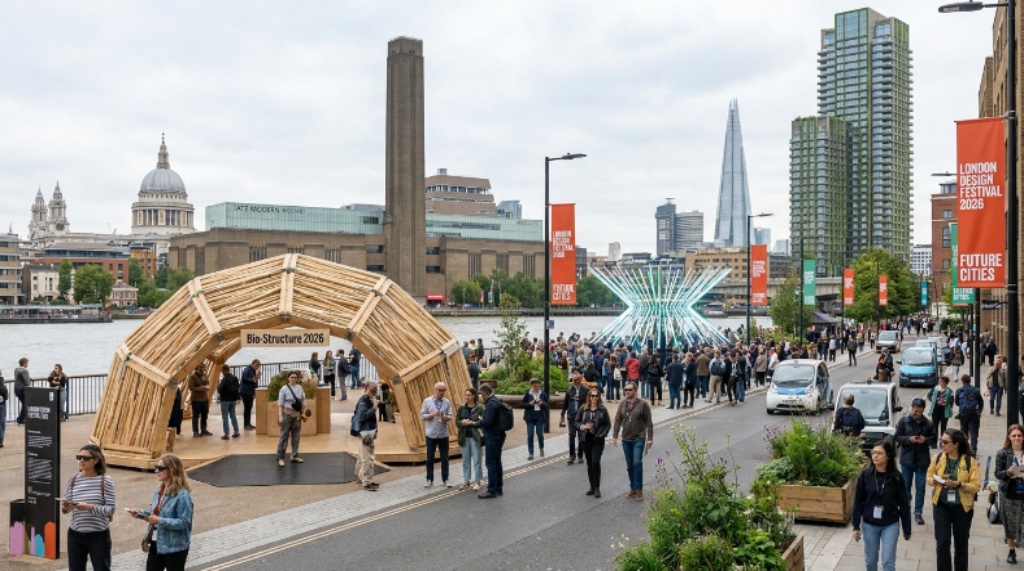
Public art installations represent the emotional heart of the London Design Festival. Every year, the festival commissions or presents large-scale works that fundamentally change how visitors experience familiar spaces. Trafalgar Square, the Southbank, and key district streets become canvases for ideas about materiality, technology, memory, and identity.
These installations are not decorative additions to the city. They are genuine artistic statements that ask questions, provoke feelings, and sometimes challenge viewers to reconsider what design actually is. A striking structure in a public square can spark conversations between strangers that no lecture or panel discussion ever could.
Material Innovation as Artistic Expression
One particularly compelling thread running through recent LDF editions is the use of experimental materials as an artistic and architectural medium. Events like Material Matters, which returned for its fourth edition in 2025 and is expected to continue in 2026, showcase designers working with mycelium, bio-based composites, reclaimed industrial materials, and other alternatives to conventional production resources. This focus on materiality blurs the boundary between art, craft, and scientific innovation, producing objects and environments that are genuinely difficult to categorise.
Furthermore, the intersection of technology and craft produces some of the festival’s most memorable moments. Digital fabrication tools, generative design software, and AI-assisted creative processes sit alongside traditional handcraft skills, creating a productive tension that reflects the state of contemporary design practice worldwide. Together, these forces push the definition of what counts as design ever further outward.
Collectible Design and Gallery Programming
The festival’s gallery programming, particularly in districts like Mayfair, brings together some of the world’s leading names in collectible and limited-edition design. These shows treat designed objects with the same seriousness and cultural weight usually reserved for fine art, presenting furniture, lighting, and decorative objects as genuine artistic achievements rather than purely functional products. For collectors and connoisseurs, this aspect of LDF represents some of the most commercially and aesthetically significant events in the global design calendar.
Innovation and Technology: The Future of Design on Display
Technology has become inseparable from design culture, and the London Design Festival 2026 reflects that reality fully. Across exhibitions, talks, and product launches, visitors encounter how digital tools are transforming every corner of the creative industries, from the way objects are conceived and manufactured to how buildings are visualised and experienced before a single brick is laid.
Digital Design and Immersive Experiences
Immersive and interactive installations are a growing feature of the festival programme. These experiences, which often combine augmented reality, spatial audio, responsive lighting, and participatory mechanics, place the visitor inside the design rather than simply in front of it. Designers and studios working at the frontier of digital experience design use the festival as a proving ground for ideas that will eventually shape retail environments, public spaces, and the built fabric of smart cities.
The Bloomberg Connects app, which serves as the festival’s official digital guide, provides curated routes, insider commentary, and exclusive content for visitors navigating the programme. This kind of digital infrastructure reflects how the festival itself is thinking carefully about the visitor experience as a designed outcome, not just a logistical necessity.
Sustainability and Circular Design Thinking
Perhaps the most urgent thread of innovation running through LDF 2026 is sustainability. This edition places a significant emphasis on sustainable urban living and the role that design plays in shaping a more resilient future. Circular design principles, which prioritise durability, repairability, and material recovery over disposability, are represented throughout the programme in product design, architecture, and interior styling.
Designers and studios presenting at LDF 2026 are increasingly expected to articulate not just what they make, but how they make it, where materials come from, and what happens to products at the end of their useful lives. This shift reflects a broader maturation in the design industry’s engagement with environmental responsibility, moving beyond surface-level gestures towards genuine structural change in creative practice. Additionally, the festival’s emphasis on circular design connects directly to wider debates about the role of cultural institutions in modelling more sustainable forms of production and consumption.
The Global Design Forum: Ideas That Shape the World
The Global Design Forum (GDF) is one of the festival’s most intellectually ambitious programmes. Hosted at the V&A, the GDF brings together designers, architects, technologists, curators, filmmakers, and thinkers from across the globe to examine the most pressing questions facing the design world. Past themes have explored interconnectedness between peoples, practices, and the planet, examining how design both reflects and reshapes the world we inhabit.
In 2026, the GDF is also expanding its international reach with a programme of talks, installations, and citywide experiences in Istanbul, running in collaboration with People Places Ideas. This global dimension reinforces the festival’s commitment to understanding design as a truly international conversation rather than a purely British cultural export. Accordingly, the Forum’s programme regularly features practitioners and thinkers from the Global South, Asia, and the Middle East alongside European and North American voices.
The London Design Medals
The London Design Medals, awarded annually as part of the festival, celebrate outstanding contribution to the design world. These awards recognise individuals and organisations that have made lasting impacts through their creative practice, mentorship, and public engagement. The medals serve as a reminder that design excellence is measured not just in objects made but in knowledge shared and communities built. Supported by Fortnum and Mason as Supporting Partner, the awards ceremony is one of the festival’s most anticipated events for the professional design community.
Practical Guide: How to Make the Most of LDF 2026
Planning your visit to the London Design Festival requires some preparation, given the sheer scale of the programme. However, even a single afternoon in the right district can be genuinely transformative. Here is how to approach the festival smartly, whether you are visiting as a professional, a student, or a curious member of the public.
Before You Go
- Download the Bloomberg Connects app, which is the official festival guide and provides exclusive content alongside curated walking routes through the design districts
- Check the official programme at londondesignfestival.com in the weeks leading up to September, as the full schedule is typically released closer to the event date
- Book tickets for any ticketed events, including Global Design Forum sessions and VIP keynote programmes, well in advance, as these regularly sell out
- Plan your district routes geographically rather than jumping across the city, as each district offers a full half-day of content on its own
- Research participating studios and galleries in advance if you have specific professional interests, as many open-house sessions offer rare access that requires planning
During the Festival
- Start with the V&A, which serves as the central hub and provides an orientating overview of the festival’s major themes and highlights
- Visit the public installations early in the morning or during the evening to avoid peak crowds and experience the work in more contemplative conditions
- Engage directly with designers and makers in the open studio sessions, as these informal conversations often yield far more insight than formal presentations
- Mix flagship events with unexpected discoveries in the smaller districts, where emerging talent frequently produces the most surprising and memorable work
- Use the festival’s free outdoor programming generously, as some of the most powerful work is entirely accessible without any ticket purchase
Admission and Ticketing
Most district trails, outdoor installations, and many gallery events are entirely free and open to the public. The Global Design Forum and certain trade-focused sessions require tickets purchased via the official website, with pricing ranging from accessible public rates to professional and VIP packages that include reserved seating, private lounge access, and invitations to exclusive designer receptions.
Why London Design Festival Matters Beyond the Design Industry
It is easy to assume that the London Design Festival is primarily for designers, architects, and creative professionals. In reality, its relevance extends far beyond any single industry. The festival demonstrates publicly that design decisions shape everyone’s experience of the world, from the parks people walk through to the hospitals they visit, the schools their children attend, and the products they use every single day.
By making so much of its programming free and accessible, the festival creates genuine civic value. It invites ordinary Londoners and visiting tourists alike to engage with questions about their own built environment, to ask what their city could look like, and to encounter the practitioners who are actively working to shape that future. This democratic dimension is part of what makes LDF genuinely distinctive among global design events, setting it apart from trade-focused events that remain closed to the general public.
Furthermore, the festival generates substantial economic value for London’s creative sector. It connects British designers and manufacturers with international buyers, journalists, and collaborators, providing a commercial platform for the UK’s creative economy. The presence of visitors from more than 75 countries creates real commercial opportunities for studios and brands of all sizes throughout the festival period, supporting the livelihoods of thousands of creative professionals across the capital.
Conclusion: Mark Your Calendar for 12 to 20 September 2026
The London Design Festival 2026 is, quite simply, one of the most important events in the global creative calendar this year. Across nine extraordinary days, it transforms an entire world-class city into a living argument for the power of thoughtful design. Whether you are a practising architect, a curious student, a design enthusiast, or simply someone who wants to experience London at its most creatively alive, LDF 2026 has something genuine to offer you.
The festival celebrates not just what design looks like today, but what it can achieve tomorrow. It brings together the boldest thinkers, the most inventive makers, and the most curious audiences on the planet, all united by a belief that how we design our world determines how well we live in it. Plan your visit now, download the festival app, explore the official programme at londondesignfestival.com, and secure your spot at the 24th edition of an event that truly has no equal anywhere in the world.
Frequently Asked Questions About London Design Festival 2026
When and where does London Design Festival 2026 take place?
The London Design Festival 2026 runs from 12 to 20 September 2026 across multiple venues throughout London. The Victoria and Albert Museum in South Kensington serves as the central hub, while the festival also spreads across ten dedicated design districts covering the breadth of the city, from Shoreditch in the east to Chelsea and Brompton in the west. Most events are free and open to the public throughout the nine-day programme.
Is London Design Festival 2026 free to attend?
The majority of the festival’s programming, including outdoor public installations, district trails, studio tours, and many gallery events, is entirely free and open to the public. Specialised sessions such as the Global Design Forum, certain trade-focused keynote events, and VIP experiences require tickets, which can be purchased via the official website. Pricing ranges from accessible public rates to premium professional packages for industry visitors.
What is the difference between the London Design Festival and the London Festival of Architecture?
These are two distinct but complementary events. The London Festival of Architecture focuses specifically on the built environment and typically takes place in the summer months, with the 2026 edition organised around the theme of “Belonging.” The London Design Festival, held in September, has a broader scope covering product design, fashion, technology, art, craft, interiors, and architecture together. Both events contribute significantly to London’s reputation as a global creative capital.
Who founded the London Design Festival and how long has it been running?
The London Design Festival was founded in 2003 by Ben Evans CBE and Sir John Sorrell. It has been running annually for over two decades, with 2026 marking its 24th edition. Ben Evans continues to serve as the festival director and has been instrumental in building the event into one of the most influential design gatherings in the world, drawing over one million visitors annually.
How do I navigate the festival’s design districts effectively?
The best approach is to plan your visits geographically, spending a focused half-day or full day in each district rather than attempting to criss-cross the city. Download the Bloomberg Connects app, which is the festival’s official digital guide and provides curated walking routes, insider commentary, and exclusive content. The official festival programme at londondesignfestival.com also provides a searchable map of all events, making it straightforward to build a personalised itinerary based on your specific interests and schedule.
