

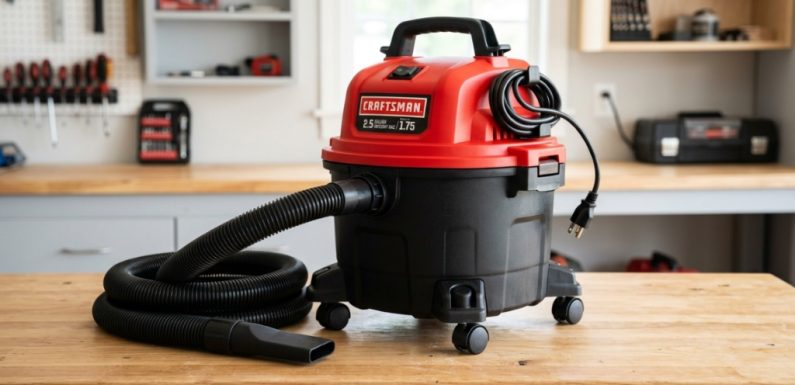
Small messes don’t always justify hauling out a massive, wheeled wet/dry vacuum from the garage. That’s where compact models come in, offering portability and quick cleanup for workshops, cars, and household spills. But with so many budget-friendly options available, it’s natural to wonder if the smaller units actually perform or if they’re just underpowered gadgets. This Craftsman 2.5-gallon shop vac review will examine the design, suction power, filtration, and overall value of this compact cleaner to help you decide if it deserves a spot in your garage or utility closet.
Key Takeaways
- The Craftsman 2.5 gallon model is designed for light-duty tasks like car interiors, workshop dust, and small dry spills, not major renovation debris or large-scale water extraction.
- Its lightweight build and integrated handle make it genuinely portable, but the short power cord requires planning your workflow or using an extension cord.
- It functions as both a wet and dry vacuum, yet you must remember to remove the filter for wet pickups to prevent clogging and mold growth.
- This unit is a solid value for occasional use and small spaces, though it won’t replace the performance of a full-size shop vac for heavy or continuous jobs.
First Impressions: Build Quality and Portability
Craftsman positions this unit as a convenient, portable companion for quick jobs. At roughly 8.75 pounds, it’s easy to carry with one hand. The tank is made of durable plastic, which feels sturdy enough for normal workshop use, though you wouldn’t want to drop it off a ladder. The 2.5-gallon capacity is small by design, meaning you’ll be emptying it frequently, but that’s an acceptable trade-off when the alternative is tripping over a 12-gallon drum on a workbench.
Given its size, consumers naturally look for dependable performance data before buying. If you’re interested in detailed product specifications and a buyer-focused breakdown, this Craftsman 2.5 gallon shop vac review offers additional context regarding its utility in various settings. For most users, the primary draw here is convenience: this vacuum fits easily into tight spaces, on shelves, or in the back of a vehicle without sacrificing storage space.
Suction Performance: More Than Just Hot Air?
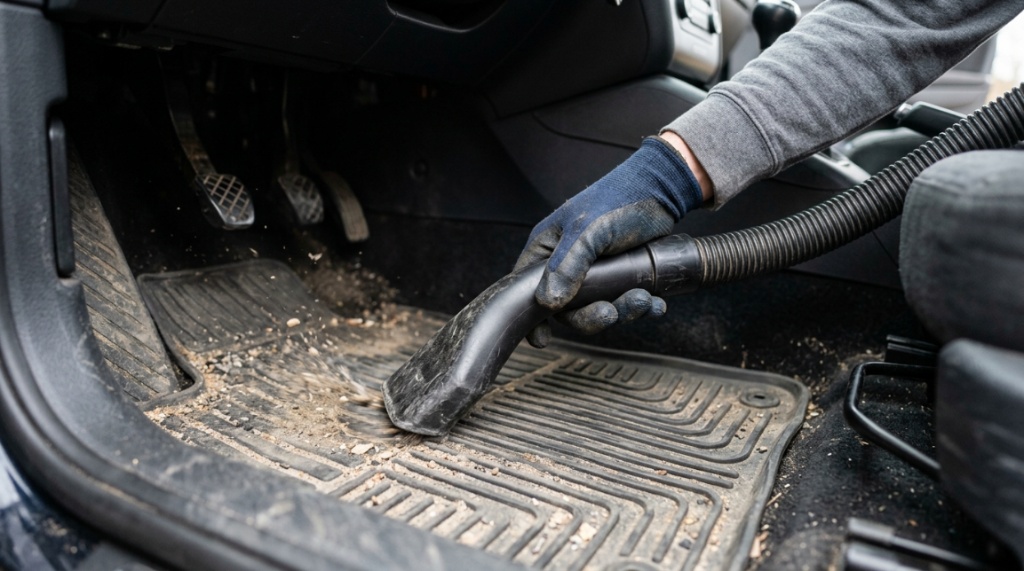
The most common question is whether a compact 2.5-gallon unit can actually clean effectively. The vacuum operates at a peak of about 1.75 horsepower (peak), which is approximately 110-120 cubic feet per minute (CFM) of airflow. This isn’t comparable to a large 5 HP model, but it’s perfectly sufficient for the unit’s intended purpose. It performs well on hard surfaces, picking up common debris like sawdust, drywall dust, dirt, and loose gravel from floor mats.
Real-World Cleaning Capabilities
Imagine you’ve just drilled several holes in a wall or sanded a piece of furniture. This vacuum excels at cleaning the resulting fine dust. It also works well for vacuuming the crumbs from your car’s seats, the dirt that collects in the trunk, and debris in small closets. However, if you try to use it to clean up a basement flooded with several inches of water, you will quickly become frustrated by the need to stop and empty the small tank repeatedly.
Suction Limitations You Should Know
You should steer clear of bulky items like large drywall chunks or heavy gravel, as these can get stuck in the 1.25-inch hose. While the suction is decent using the included attachments, it’s important to maintain realistic expectations. It doesn’t have a variable speed dial, so you are working with maximum power at all times. For small surfaces, this direct power is an advantage, but attaching a brush to a delicate area like a computer keyboard may require a lighter touch.
Wet and Dry Functionality: How It Handles Liquids
Like many wet/dry vacuums, the Craftsman handles both solid debris and liquid spills. The main difference is the filter placement. The unit comes with a foam sleeve used for wet pickups and a cloth filter for dry materials. Before picking up liquids, you must remove the cloth filter; otherwise, water will soak the paper filter, turning it to mush and ruining it,
If you manage a food business and need heavy-duty industrial equipment instead of a portable workshop tool, learn how to Commercial Vacuum Cleaner for Daily Restaurant Cleaning.
Using the Foam Sleeve for Liquids
The foam sleeve is essential for water extraction. When you want to clean up a spilled drink or water that pooled around a plant, swap out the standard filter and pop the foam sleeve over the filter cage. This prevents debris from entering the motor and keeps the suction clear. The vacuum has a float mechanism that automatically shuts off the suction when the tank reaches its maximum capacity to protect the motor.
The Emptying Process
Emptying this unit is straightforward. The motor head clips onto the top of the tank and detaches easily. Because the tank is only 2.5 gallons, you’ll need to empty it frequently, especially when vacuuming liquids or fine dust that expands when packed. The design makes dumping easy; the large opening allows you to rinse out remaining debris without needing to stick a hand inside the tank.
Filtration System and Air Quality
The air filtration on the CMXEVBE17250 uses a cloth filter for general dry pickup. While standard for this price point, it’s not a true HEPA filter. If you are sanding fine drywall joint compound all day, some super-fine particles may pass through the system and recirculate into the air. For standard maintenance and cleaning, the filter performs adequately.
Maintaining Optimal Filtration
Regular cleaning of the filter is necessary. When the suction drops noticeably or you see dust leaking from the exhaust port, it’s time to clean the filter. For porous dust, you can often tap the filter against your trash can to remove the bulk of it. For heavier clogs, running water through the filter from the inside out is effective—just make sure it is completely dry before reinstalling it for dry vacuum use.
Hose and Accessories: What’s in the Box?
Included accessories dictate what you can actually clean. The Craftsman includes the vacuum, a 4.5-foot stretch hose, a standard combo nozzle (with both a wide mouth and a brush attachment), and an extension wand. The hose connects to the tank with a locking mechanism that feels secure during use.
Key included components:
- Hose: 4 to 5 feet in length, which is stiff initially but becomes more pliable over time.
- Extension Wand: Connects to the hose for reaching floors without bending over.
- Combo Nozzle: Serves as a floor nozzle for dry debris and a brush tool for upholstery and tight spots.
The Limited Reach Factor
This is arguably the biggest compromise of this vacuum. With a 6-foot power cord and a 4.5-foot hose, the total reach is around 10 feet. If you are vacuuming a vehicle parked in the driveway, you’ll likely need an outdoor power outlet. If you plan to vacuum stairs, you will need to move the vacuum with you from step to step rather than leaving it on the landing.
Comparison: Compact vs. Full-Size Shop Vacuums
Understanding where this tool fits in the market is critical. Users often compare this against the larger 6 to 12-gallon units they see at hardware stores. The table below clarifies the distinct roles of these vacuum types:
| Feature | 2.5-Gallon Compact Vacs | Full-Size Shop Vacs (6+ Gallons) |
|---|---|---|
| Primary Use | Quick dust, car interiors, small spills | Renovation cleanup, garage, heavy debris |
| Capacity | Small (2.5 gal) – requires frequent emptying | Large (6-16 gal) – handles long sessions |
| Portability | Lightweight, carry with one hand | Heavy, usually has wheels |
| Suction Power | Moderate airflow (cfm), high static pressure | High airflow (cfm) for bulky construction waste |
| Noise Level | Relatively moderate | Often very loud |
| Storage | Fits on a shelf or in a closet | Requires floor space, often in the way |
If your primary issue is a lack of storage space or a need for quick access, the small model wins. If your weekend is spent remodeling a room, the full-size model will save you time due to its capacity and airflow.
Noise Level and Maneuverability
Noise is often overlooked. This Craftsman operates at a level that is noticeably quieter than larger vacuums, likely in the 70-80 decibel range depending on the distance you are. This makes it more comfortable to use indoors without damaging your hearing, though ear protection is still recommended for extended use.
Maneuverability is limited to the length of the hose. However, the unit is light, so you have the freedom to hang it from a strap or use a bucket hook to suspend it at your workbench. This hands-free operation is a hidden benefit for anyone doing small shop tasks where holding a vacuum is impractical.
Pros and Cons: The Overall Value
Let’s summarize the strengths and potential frustrations of this tool to see if it aligns with your needs.
Pros:
- Compact and lightweight: Easy to move around the house or shop.
- Effective suction: Sufficient power for dust, dirt, and liquid puddles.
- Easy to maintain: Simple filter setup and easy-to-empty tank.
- Affordable: Typically available at a low price point, making it an impulse buy for convenience.
- Blower Function: It can convert to a blower for clearing dust from crevices or leaves from a porch.
Cons:
- Short Power Cord: Limits reach and often requires an extension cord.
- Small Capacity: Requires frequent stops to empty during larger projects.
- Basic Filtration: Not designed for hazardous fine particulate (like asbestos or lead paint).
- Accessories: The included tools are functional but basic; you may want to purchase extra hose lengths for better reach.
Who Is This Vacuum For?
This unit is ideal for apartment dwellers, car owners, hobbyists, and homeowners who want immediate cleanup without setting up a heavy machine. It is perfect for checking specific use cases:
- Car Detailing: The small size is perfect for reaching under seats and cleaning the console.
- Workshop Dust: Great for cleaning out your toolbox drawers, shelves, and sawdust on workbenches.
- Emergency Spills: Convenient for sucking water from a washing machine overflow or a broken aquarium (provided the tank is emptied regularly).
Alternatives to Consider
Before purchasing, consider how often you’ll actually use it. If you require a longer hose for cleaning multiple rooms, look for models with a 6 to 8-foot hose. If storage space is generous, a 4-gallon to 6-gallon model might provide a better balance of capacity and storage. Brands like DeWalt and Milwaukee make similar compact models, but they usually require a 20V battery or run at a significantly higher cost for the corded version.
Frequently Asked Questions
How loud is the Craftsman 2.5-gallon shop vac?
It is relatively quiet for a shop vacuum, operating around 75 to 80 decibels. This is quieter than many full-size 5 HP models, allowing for conversation or listening to music while cleaning without severe hearing fatigue.
Can I use this vacuum for wet spills and water?
Yes. You must push the release button, lift the motor head off, remove the filter, and press a foam sleeve over the intake grate. Without the foam sleeve, the motor will suck in moisture and be damaged.
What accessories are included with the vacuum?
It includes a stretch hose, an extension wand, a combination floor nozzle, and a crevice tool incorporated into the main wand. Some kits also include a filter carrying bag.
Can I use a standard drywall dust bag with this vacuum?
Yes, using a filter bag is recommended for fine dust like drywall compound. The bag slides over the intake tube, capturing fine cementitious dust before it reaches the primary filter, making cleanup much easier.
Is the vacuum powerful enough to clean a car?
Absolutely. For a compact car, it has enough suction to remove dirt embedded in floor mats and fabric seats. The main limitation is time, as you will need to empty the small tank a couple of times during a full professional detail.
Conclusion
So, is the Craftsman 2.5 gallon shop vac any good? For its intended purpose—fast, lightweight, portability—it is a very good tool. It shines at keeping small spaces clean without the hassle of dragging a massive unit out of the garage. It is not a heavy-duty workhorse, but rather a nimble assistant for everyday messes.
If your situation fits its limitations—tight budgets, small spaces, and light-duty tasks—it is a reliable purchase that will last for years. Just maintain realistic expectations. When heavy renovation begins or you need to clean out an entire basement, this compact tool will likely leave you wanting larger capacity. But for a quick tidy-up of the workbench or the back of the SUV, it is difficult to beat for the price.
