

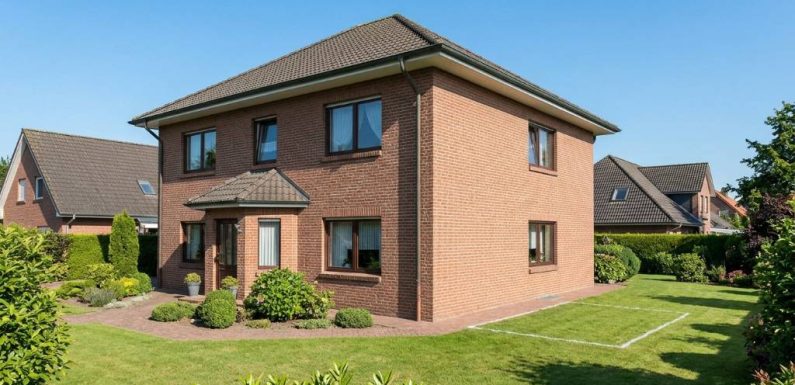
Home additions continue to grow in popularity across Asheville. Many homeowners need more living space without relocating. Recent housing trends show renovation activity remains strong nationwide. Additionally, construction costs have increased significantly during recent years. That makes careful planning more important than ever. While exploring oak frame extension ideas, homeowners should also focus on structural performance. Strong planning helps additions last longer and perform better during changing weather conditions.
Understanding Asheville’s Unique Building Challenges
Asheville offers beautiful mountain scenery and attractive neighborhoods. However, the local landscape creates several construction challenges. Steep slopes, shifting soils, and heavy rainfall require special attention. Therefore, every addition should begin with detailed structural analysis. Early evaluation prevents expensive corrections later.
Mountain environments often experience drainage issues after storms. Water can move quickly down slopes toward foundations. Consequently, builders must account for moisture management from the beginning. Proper structural planning works alongside drainage strategies. Together, they create a more durable addition.
Many older Asheville homes were built under different standards. Their foundations may not support modern expansion projects. As a result, engineers often need to evaluate existing structural capacity. Careful assessments reduce future risks. They also help homeowners avoid unexpected repair costs.
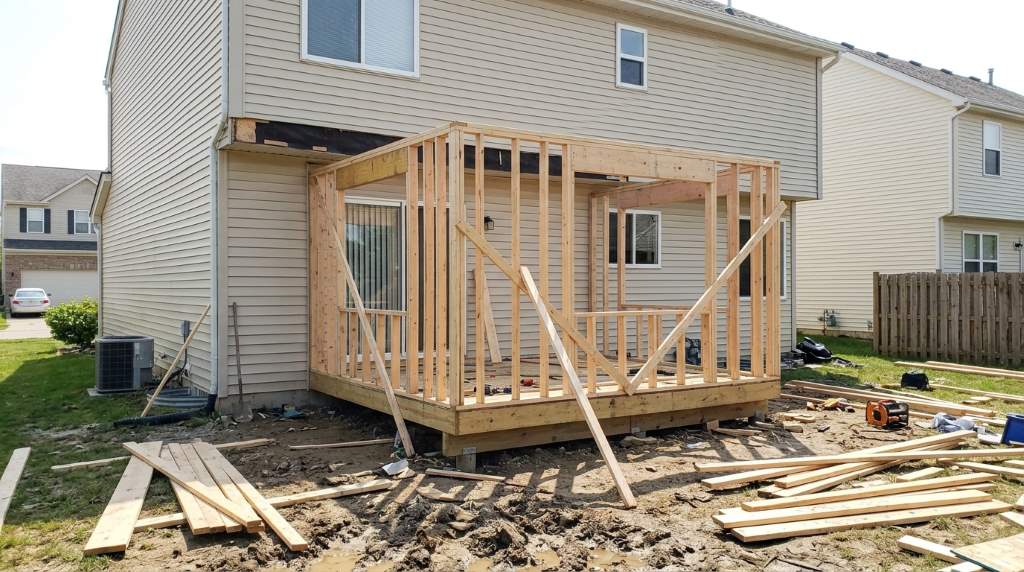
Why Structural Planning Matters Before Construction Begins
Structural planning determines how loads move through a building. Roofs, walls, floors, and foundations work together as one system. Therefore, every new addition affects the original structure. Good planning ensures each component supports the others. That creates long-term stability.
Many homeowners focus heavily on design aesthetics first. Although appearance matters, structural integrity comes first. A beautiful room offers little value if movement causes cracking. Therefore, engineers should participate during early planning stages. Their input protects the entire investment.
Weather exposure also influences structural decisions. Heavy rainfall can impact roofing systems and wall assemblies. Consequently, builders often combine engineering with roof flashing failure prevention practices. This approach reduces moisture intrusion risks. It also strengthens overall building performance.
Common Planning Mistakes
- Ignoring soil conditions before foundation design.
- Assuming older structures can support new loads.
- Skipping professional engineering reviews.
- Underestimating water management requirements.
- Using incompatible framing systems.
Each mistake can create expensive complications later. Therefore, homeowners should invest in proper evaluations. Upfront planning often costs less than corrective repairs. Moreover, it improves construction efficiency. That saves time during the project.
The Impact of Asheville’s Sloped Terrain
Many residential lots in Asheville sit on hillsides. These locations provide excellent views and property value. However, they also introduce structural complexity. Foundations must handle both vertical and lateral forces. Therefore, standard approaches may not work.
Soil movement remains a major concern on sloped properties. Rainwater can gradually weaken supporting ground conditions. Consequently, engineers often recommend reinforced foundation systems. These systems improve stability over time. They also reduce settlement risks.
Retaining walls frequently become part of addition projects. Yet many homeowners underestimate their structural importance. Retaining walls manage soil pressure and drainage. Therefore, proper engineering remains essential. Weak designs can fail unexpectedly.
Foundation Considerations for Hillside Homes
- Geotechnical soil evaluations.
- Drainage planning around foundations.
- Reinforced concrete support systems.
- Slope stabilization measures.
- Long-term erosion control strategies.
These measures support both safety and durability. Furthermore, they help additions perform during severe weather events. Proper foundation planning protects the entire structure. It also improves homeowner confidence. Long-term maintenance becomes easier as well.
Moisture Management Often Starts with Structure
Many discussions focus on waterproofing products alone. However, structural planning influences moisture performance significantly. Building orientation, roof design, and framing details matter greatly. Therefore, engineers and builders should coordinate closely. Their collaboration reduces moisture-related problems.
Asheville receives considerable annual rainfall compared with many regions. Water exposure can affect walls, roofs, and foundations. Consequently, structural details should guide drainage away from the home. Proper design reduces long-term deterioration. It also supports indoor comfort.
Fasteners often face moisture exposure in outdoor environments. Therefore, selecting suitable materials becomes important during planning. Many professionals review effective coating options for metal fasteners when designing additions. Protective coatings help extend service life. They also improve structural reliability.
The Hidden Risk of Load Transfer Problems
One issue rarely discussed involves load transfer compatibility. Many additions connect to structures built decades apart. Consequently, materials and design methods may differ significantly. This mismatch can create stress concentrations. Over time, damage may develop.
For example, a new roof system may distribute weight differently. Existing walls may not handle additional forces efficiently. Therefore, engineers must evaluate how loads travel. Accurate calculations prevent structural weaknesses. They also improve safety.
This topic receives little attention in most renovation blogs. Yet it represents a genuine challenge in mountain communities. Different construction eras often create hidden compatibility issues. Therefore, detailed engineering reviews provide valuable protection. They identify concerns before construction begins.
Why Foundation Connections Deserve More Attention
Many homeowners focus on visible construction features. However, foundation connections often determine long-term performance. These connections transfer structural forces safely into supporting ground. Therefore, their design requires careful consideration. Small mistakes can create large problems.
Expansion joints also play an important role. Existing structures move differently than new additions. Consequently, designers often include movement accommodations. These details reduce cracking and stress. They improve durability across seasons.
Temperature changes can influence building materials over time. Although movement may appear minor, cumulative effects matter. Therefore, proper connection design remains essential. Engineers account for these forces during planning. Their work supports structural stability.
Financial Benefits of Better Structural Planning
Some homeowners view engineering costs as optional expenses. However, strong planning often reduces total project costs. Early evaluations identify challenges before construction begins. Therefore, contractors can prepare more accurate budgets. Unexpected expenses become less common.
Insurance concerns also influence project value. Well-designed additions often demonstrate lower risk profiles. Consequently, documentation from engineers may support smoother processes. Proper records help during future property transactions. They can also improve buyer confidence.
Financing considerations sometimes influence renovation decisions. While comparing budgets, homeowners may research lowest mortgage rates in alabama and other financing topics. Regardless of funding sources, structural planning remains a worthwhile investment. Strong design protects renovation spending. It also supports long-term property value.
Practical Steps Before Starting an Addition
Every successful project begins with preparation. Homeowners should gather information before selecting designs. Careful planning creates better outcomes and fewer surprises. Therefore, following a structured process makes sense. It improves decision-making from the start.
Recommended Planning Checklist
- Hire a qualified structural engineer.
- Review existing foundation conditions.
- Evaluate drainage and grading.
- Assess soil characteristics.
- Confirm local building requirements.
- Coordinate engineering with architectural design.
- Plan future maintenance needs.
Following these steps reduces uncertainty significantly. Additionally, it helps contractors coordinate more efficiently. Better preparation supports smoother construction schedules. Homeowners gain greater confidence throughout the process. Project outcomes usually improve as well.
How Climate Trends Influence Future Additions
Weather patterns continue changing across many regions. Asheville experiences periods of intense rainfall and storms. Therefore, additions should account for future conditions. Designing only for current needs creates limitations. Forward thinking provides greater resilience.
Resilient structures often incorporate stronger drainage systems. They may also include enhanced foundation support measures. Consequently, these features improve long-term durability. Homeowners benefit from reduced maintenance concerns. Property value often remains stronger too.
Future-focused planning creates lasting benefits. Rather than reacting to problems later, owners prepare today. This proactive approach supports safer construction outcomes. Furthermore, it improves long-term satisfaction. The investment pays dividends for years.
Conclusion
Asheville offers excellent opportunities for home additions. However, mountain terrain and changing weather create unique challenges. Therefore, structural planning deserves priority from the beginning. Strong engineering protects investments and improves durability. It also reduces future repair costs.
Before starting any expansion project, consult qualified professionals. Evaluate site conditions carefully and plan for long-term performance. Additionally, coordinate structural design with drainage and building systems. A thoughtful approach creates safer, stronger additions. Start planning early and build with confidence.
FAQs
Why do Asheville additions need special structural planning?
Mountain terrain, rainfall, and varied soil conditions create unique structural challenges.
Should older homes receive engineering evaluations before additions?
Yes, evaluations confirm whether existing structures can safely support new loads.
How does rainfall affect addition design?
Heavy rainfall increases the need for proper drainage and moisture management systems.
What is the biggest foundation concern in Asheville?
Soil movement and slope-related pressure often present the greatest foundation risks.
Can structural planning save money?
Yes, early planning reduces costly surprises, repairs, and construction delays.
